
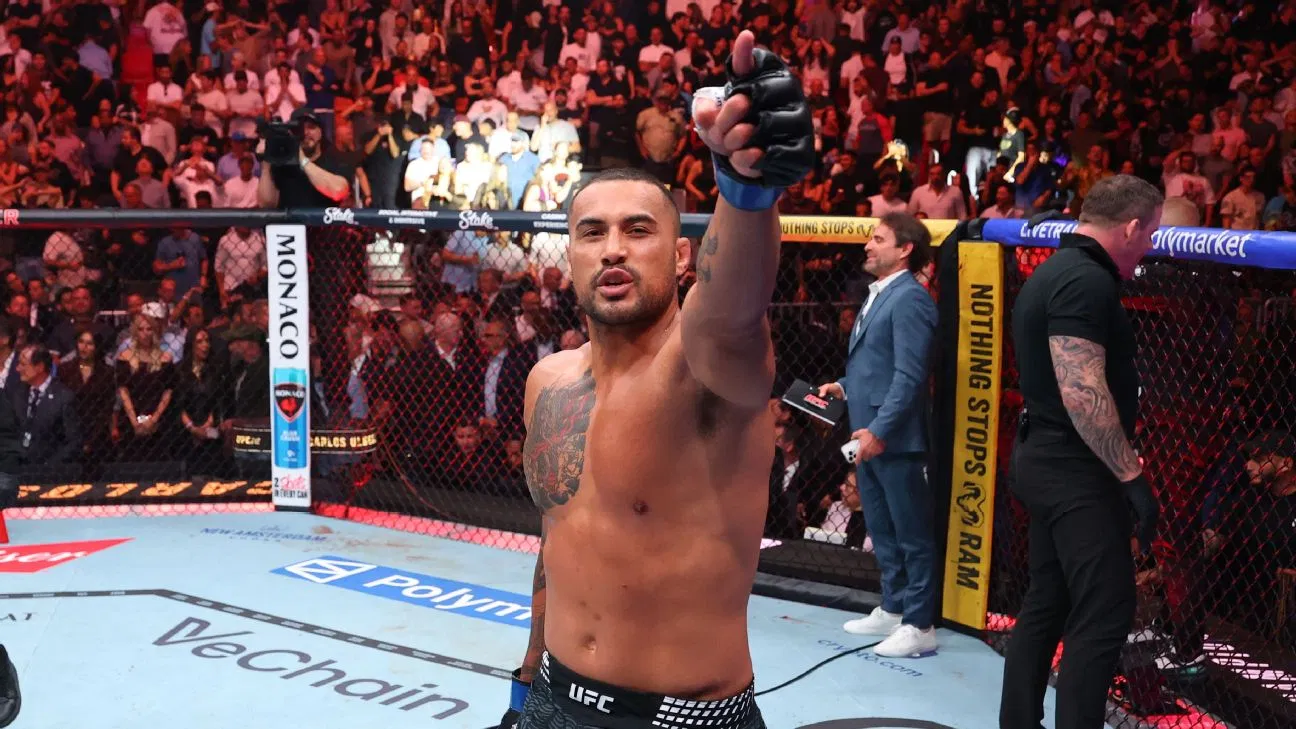
The lights of Miami's Kaseya Center shone bright on April 11, 2026, as UFC 327 delivered another chapter in the promotion's growing legacy in South Florida. While the main event ended abruptly with Carlos Ulberg's stunning first-round knockout of Jiri Prochazka to claim the vacant light heavyweight title, the real story extends far beyond the official result. This event represented a collision of styles, philosophies, and regional significance that reveals much about the current state of mixed martial arts.
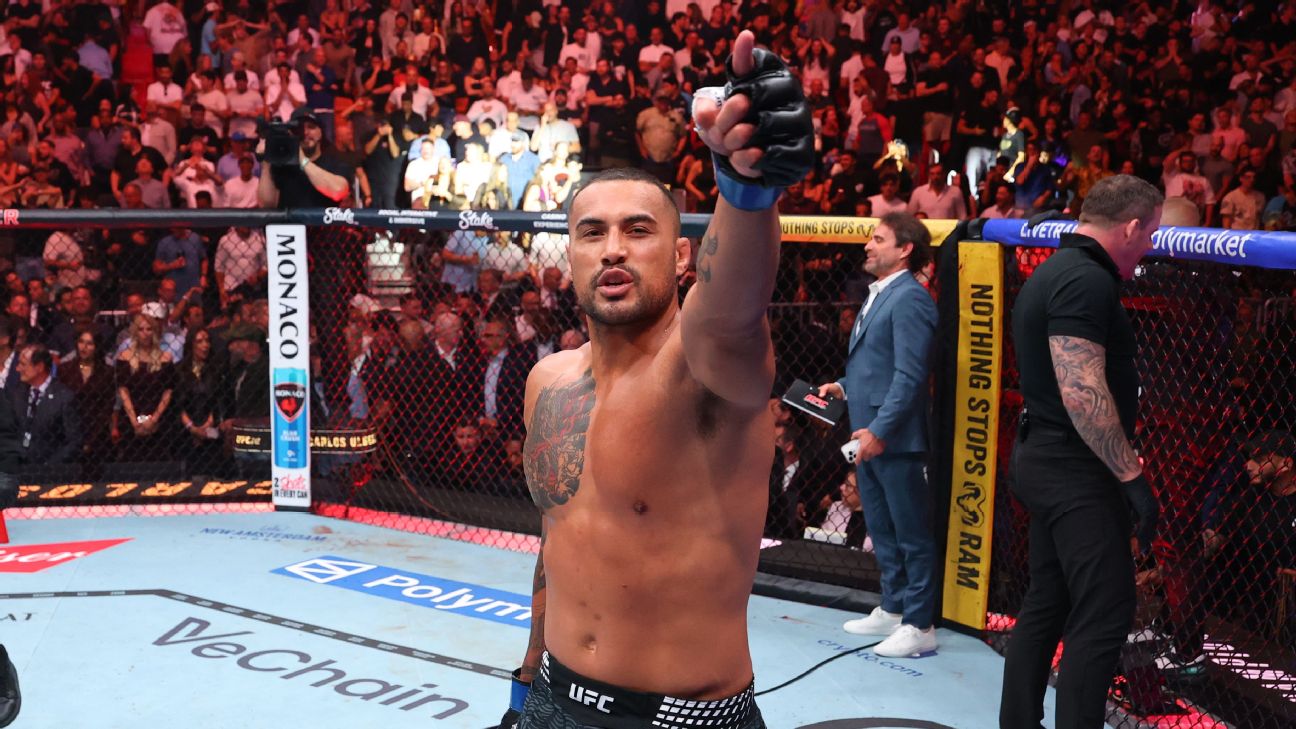
How UFC 327 Unfolded: Inside the Light Heavyweight Championship
UFC 327's main event featured two contrasting approaches to combat sports. On one side stood Jiri Prochazka, the Czech fighter known for his chaotic, unpredictable style and samurai-inspired philosophy. On the other, Carlos Ulberg represented the disciplined, technical striking of Auckland's City Kickboxing gym. According to ESPN's coverage, Ulberg needed just one clean left hook to end the fight at 3:45 of the first round, claiming the championship in devastating fashion.
The victory marked a significant milestone for Ulberg, who entered the UFC with considerable hype but had never fought for a title. For Prochazka, the loss raised immediate questions about the sustainability of his unique approach. With a professional record now standing at 32-6-1, Prochazka has built his reputation on high-risk offense that leaves openings for counter-strikers—a vulnerability that Ulberg exploited perfectly.

Timeline: How UFC 327 Developed Over Fight Week
The road to UFC 327 began months earlier when the promotion announced its return to Miami for what has become an annual spring tradition. According to Wikipedia's event documentation, this marked the fifth consecutive year UFC has visited the Kaseya Center, establishing South Florida as a reliable destination for major fights.
Fight week saw extensive media coverage focusing on Prochazka's unusual preparation methods and philosophical approach. Yahoo Sports published a detailed examination asking "Is UFC 327's Jiri Prochazka really a samurai?" that explored how closely his lifestyle aligns with ancient warrior codes. Meanwhile, CBS Sports provided expert predictions that largely favored Ulberg due to his technical advantages and Prochazka's defensive liabilities.
The event itself drew 17,741 attendees according to UFC's official bonus coverage, generating a gate of $6,518,684 as reported by EssentiallySports. While substantial, these numbers represented a decline from previous Miami events, prompting discussions about matchmaking appeal and ticket pricing strategies.
Why Prochazka's Fighting Style Matters: Expert Analysis and Impact
Jiri Prochazka has become one of MMA's most fascinating case studies. CBS Sports analyst Brent Brookhouse described him as "a throwback fighter in the sense that his style is unrefined and nearly as strange as his personality." This assessment captures why Prochazka attracts such polarized opinions: he's either a revolutionary talent or a flawed fighter destined for early exits.
Several analysts have questioned the sustainability of Prochazka's approach. Matt Brown, a former knockout artist himself, voiced concerns ahead of UFC 327 about whether such a high-risk style can withstand the elite competition of the light heavyweight division. Prochazka's willingness to absorb damage to deliver offense has produced spectacular highlights but also leaves him vulnerable to precise counter-strikers like Ulberg.
Beyond technical analysis, Prochazka's philosophical approach sets him apart. His embrace of samurai principles extends to training methods that include outdoor sessions using trees as striking targets and meditation practices designed to enhance focus. As Yahoo Sports reported, these methods draw both skepticism and admiration, contributing to his unique persona within the sport.
Where Things Stand Now: Latest on the Light Heavyweight Division
Following UFC 327, the light heavyweight landscape has shifted dramatically. Carlos Ulberg now sits atop the division as champion, bringing the prestigious title back to City Kickboxing. His victory demonstrates the continued effectiveness of technical striking against unorthodox opponents, potentially influencing how future contenders approach their training.
For Jiri Prochazka, the path forward involves difficult decisions about potential adjustments to his style. At 33 years old with 39 professional fights, he faces questions about whether evolution is possible or necessary. His popularity ensures he'll remain in high-profile matchups, but championship opportunities may require demonstrating improved defensive awareness.
The event's commercial performance also warrants attention. EssentiallySports reported that UFC 327's gate revenue of approximately $6.5 million represented the lowest among recent Miami events, down significantly from the $12-14 million ranges of previous years. This data point may influence future matchmaking decisions and pricing strategies for UFC's Miami visits.
What Happens Next: The Road Ahead for UFC in Miami and Beyond
UFC 327 reinforces Miami's position as a key market for the promotion, even with the noted attendance decline. The city's consistent support over five consecutive years suggests a strong regional fanbase that can sustain annual events. However, the gate revenue drop indicates that not all fight cards generate equal excitement, potentially prompting more strategic headliner selections for future Miami dates.
For the athletes involved, immediate futures are taking shape. Carlos Ulberg will likely face top contenders like Jamahal Hill or Aleksandar Rakic in his first title defense. Jiri Prochazka may need a rebound fight against another ranked opponent to rebuild momentum. The broader light heavyweight division, long criticized for lacking depth, now has a new champion around whom fresh rivalries can develop.
Perhaps most importantly, UFC 327 highlighted the ongoing tension between traditional martial arts approaches and modern MMA specialization. Prochazka's samurai-inspired methods versus Ulberg's systematic striking represents a classic clash of philosophies that will continue to play out across the sport.
The Bottom Line: Key Points to Remember
UFC 327 delivered more than just a championship-changing knockout. The event provided insights into fighter development, regional market dynamics, and the evolving nature of mixed martial arts competition. Carlos Ulberg's victory establishes a new technical standard in the light heavyweight division, while Jiri Prochazka's loss prompts important questions about stylistic evolution. Miami's continued embrace of UFC events demonstrates the sport's growing mainstream appeal, even as commercial metrics reveal audience selectivity. As the UFC moves forward from this event, the lessons learned about matchmaking, fighter preparation, and fan engagement will influence decisions across the organization.