
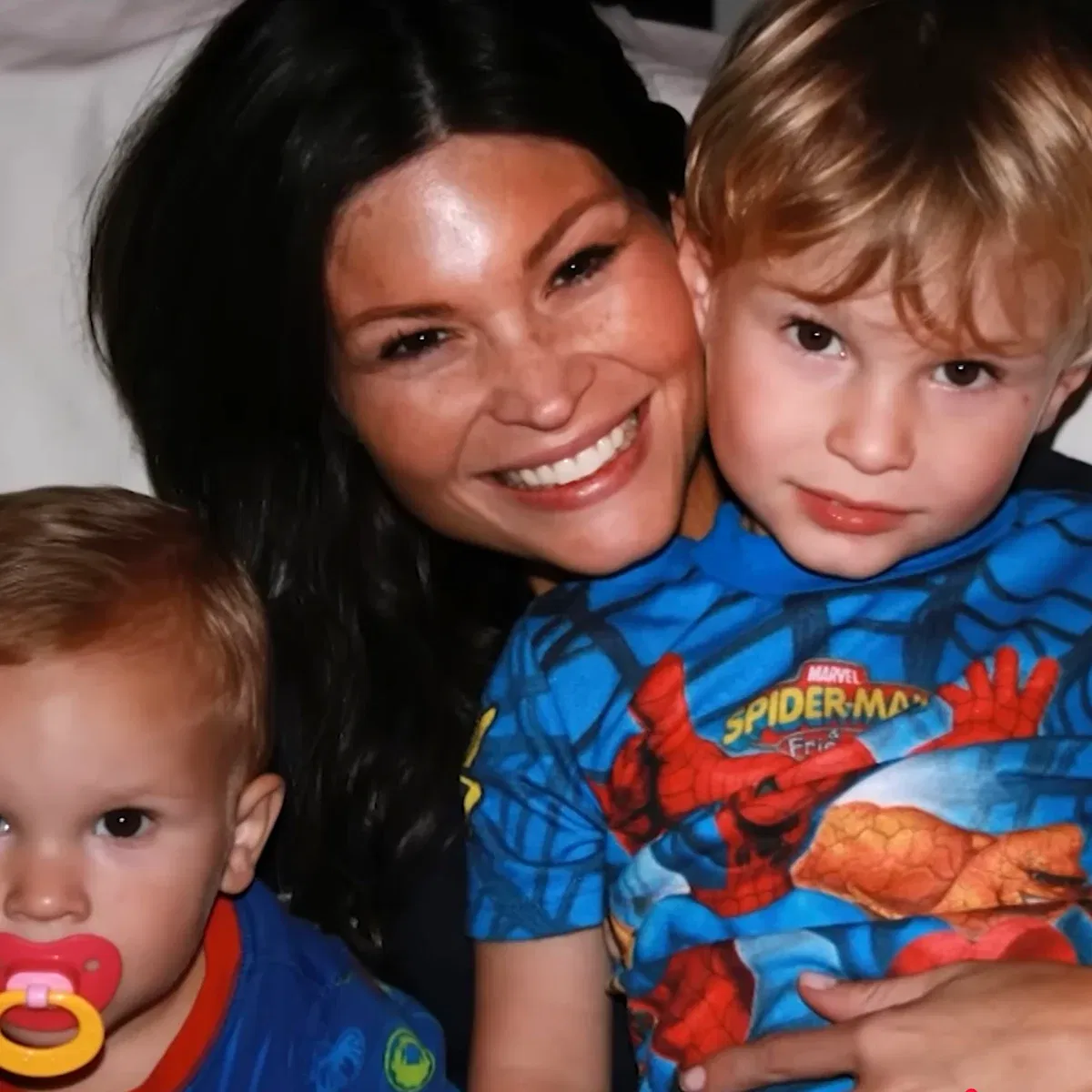
Fernando Mendoza stepped onto the stage at New York’s Jazz at Lincoln Center on December 13, 2025, to accept the Heisman Trophy, but his thoughts were thousands of miles away with his mother, Elsa. In an emotional speech that immediately went viral, the Indiana quarterback looked directly into the camera and delivered a message that would make “mendoza mom” trend across social media platforms: “Mami, this is your trophy as much as it is mine. You’ve always been my biggest fan. You’re my light. You’re my Why.”
How a Mother’s Battle Inspired a Heisman Winner
Elsa Mendoza’s journey with multiple sclerosis began nearly two decades ago, but she kept her diagnosis private from her young sons until five years ago when COVID‑19 exacerbated her condition. A former tennis player at the University of Miami, Elsa now uses a wheelchair but remains the central inspiration behind her son’s historic football season. “Our mom is our inspiration, our light, and gives us positivity every single day,” Fernando told the IndyStar. “She’s my idol. I know she’s the same for Alberto, as both of our parents are, and seeing her fight and fight every single day gives us no excuse to ever take anything for granted.”
Timeline: From Diagnosis to Heisman Glory
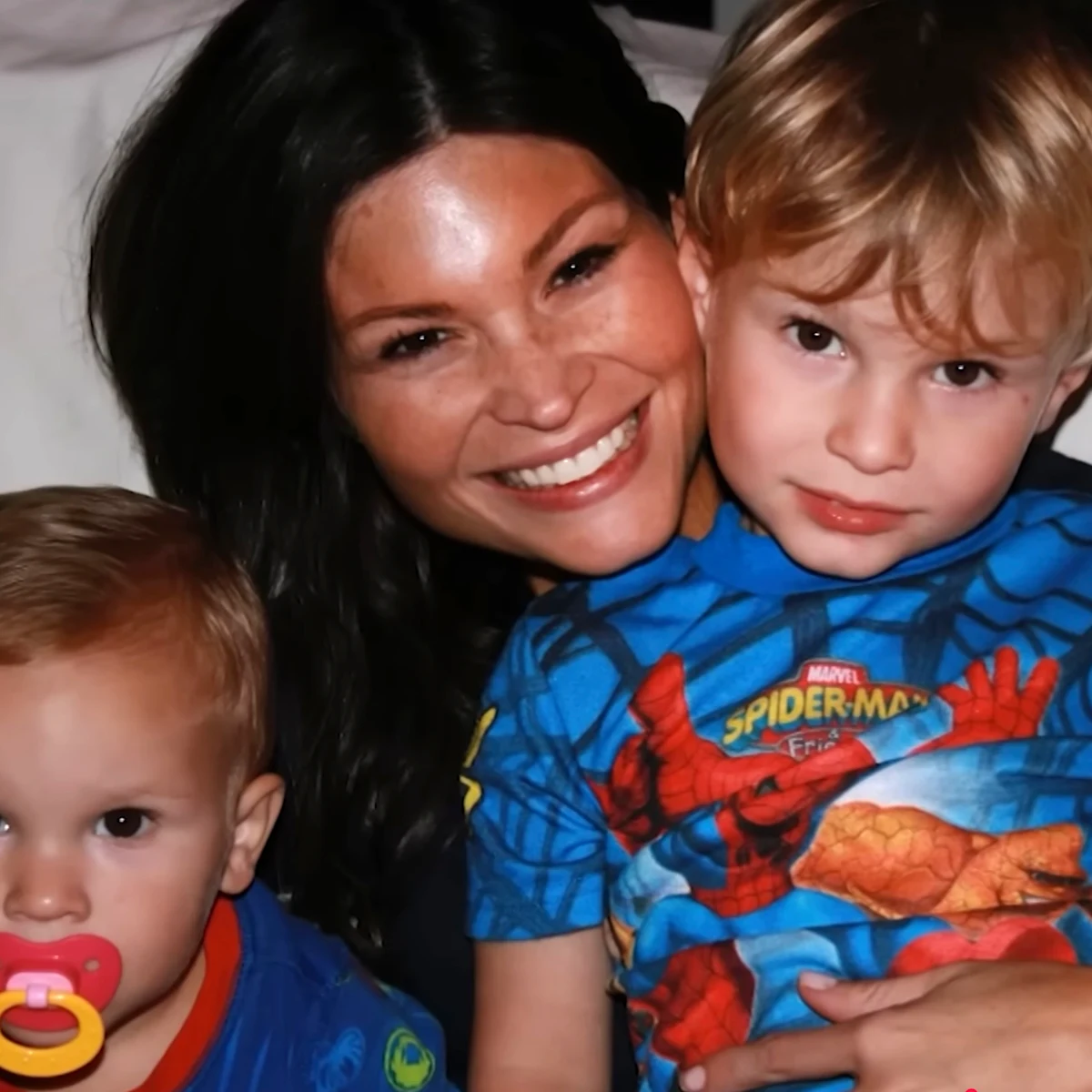
The Mendoza family’s story spans eighteen years of quiet resilience. Elsa was first diagnosed with multiple sclerosis in 2007, when Fernando was just three years old. She managed the disease while raising her two sons in Miami, where Fernando developed his love for football despite initially being slower than other children. “Fernando is a gentle giant,” his preschool teachers would tell Elsa, according to her Players’ Tribune letter. The family moved back to Miami from Boston when Fernando was young, and his determination to play quarterback—inspired by Tom Brady—became evident early.
The timeline took a significant turn in 2020 when Elsa contracted COVID‑19, accelerating her MS symptoms. It was then that she decided to tell Fernando and Alberto about her condition. “No amount of years could have prepared me for how hard of a conversation it ended up being,” Elsa wrote. “Your mom has this degenerative disease… and while we don’t know how it will progress, it’s going to start to affect us in a few ways. But it won’t affect us in the ways that matter.”
From Cal to Indiana: A Quarterback’s Journey
Fernando Mendoza’s path to the Heisman Trophy was anything but linear. After beginning his college career at the University of California, Berkeley, where he earned a degree in three years, Mendoza entered the transfer portal seeking an opportunity to develop as an NFL prospect. His younger brother Alberto’s positive experience at Indiana under coach Curt Cignetti convinced Fernando to join the Hoosiers. “I saw how it all weighed on you, though—and how at first you almost felt bad for having fun in Bloomington, because a piece of your heart was still in Berkeley,” Elsa wrote in her letter. “But to me that’s one of your best qualities. You have a tenderness about you that I think is rare in sports.”
The transfer proved transformative. In his first season at Indiana, Mendoza led the FBS with 33 touchdown passes during the regular season, finishing with 3,349 passing yards and 41 total touchdowns. His leadership helped Indiana achieve its first undefeated regular season in program history and secure the program’s first‑ever No. 1 ranking in the College Football Playoff.
Historic Heisman Victory
Mendoza received 2,362 votes from Heisman Trophy voters, including 643 first‑place votes, defeating Vanderbilt quarterback Diego Pavia and Ohio State quarterback Julian Sayin. His victory marked the first time an Indiana player has won college football’s most prestigious individual award. The significance wasn’t lost on Mendoza, who recognized the milestone during his acceptance speech: “There has not been an Indiana player to have won the Heisman Trophy before Mendoza, making Saturday’s award ceremony inside Jazz at Lincoln Center’s Appel Room another ‘first’ that Mendoza has led the program to during his first season in Bloomington,” noted USA Today.
The Power of Visibility: Why This Story Resonates
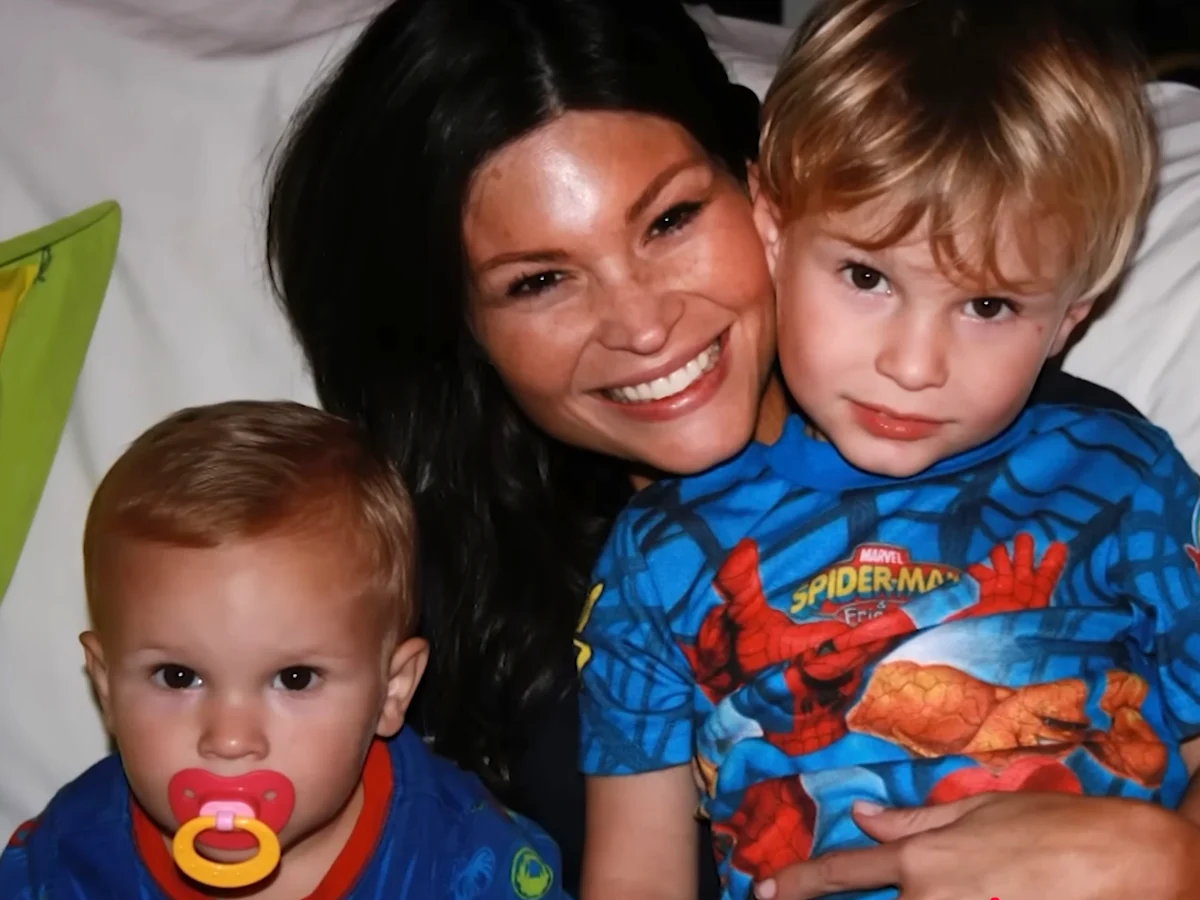
Sports stories often focus on statistics and championships, but Fernando Mendoza’s Heisman moment transcended typical athletic narratives. His public acknowledgment of his mother’s struggle with MS brought visibility to the approximately one million Americans living with the disease. “You’ve made it so much easier,” Elsa wrote to her son. “And you’ve done that in the sweetest, strongest, most Fernando way possible—by making me feel the exact opposite of embarrassed. You’ve made me feel seen.”
This theme of visibility extends beyond the Mendoza family. The story arrives at a time when athlete advocacy and personal storytelling have become increasingly prominent in sports culture. Fernando and his brother Alberto have leveraged their platform to raise over $150,000 for MS research through partnerships with Bloomington restaurants BuffaLouie’s and Gables Bagels, which feature “Mendoza Bros.” menu items with proceeds supporting the National MS Society.
Raising Awareness and Funds for MS Research
Beyond the football field, the Mendoza brothers have become prominent advocates for multiple sclerosis research. Their “Mendoza Bros.” initiative has generated significant contributions through creative partnerships. At BuffaLouie’s in Bloomington, the “Mendoza Bros. Burger” features Cuban‑inspired ingredients honoring their heritage, with proceeds supporting the National MS Society. Similarly, Gables Bagels sells a “Mendoza Bros. Cubano” bagel sandwich with the same charitable model.
According to the National MS Society, the Mendoza family’s efforts have raised over $150,000 for research and support services. “We’re just trying to use our platform for something bigger than football,” Fernando told reporters. “When you see what people with MS go through every day—the fatigue, the mobility challenges, the uncertainty—it puts everything in perspective.”
Cuban‑American Roots and Community Impact
Both sets of Fernando’s grandparents emigrated from Cuba to Miami, where they established new lives. This heritage has become an important part of Mendoza’s identity, and he frequently speaks about representing the Cuban‑American community. During his Heisman speech, he thanked his grandparents in Spanish: “Por el amor y sacrificio de mis padres y abuelos, los quiero mucho. De toda mi corazon, de toda gracias.” (For the love and sacrifice of my parents and grandparents, I love you. With all my heart, thank you).
His success has resonated particularly strongly in Miami’s Cuban community, where his story is seen as emblematic of the immigrant journey—overcoming obstacles through hard work and family support.
Where Things Stand Now: Indiana’s Championship Run
As “mendoza mom” continues to trend online, Fernando has led Indiana to the College Football Playoff national championship game. The Hoosiers defeated Alabama in the Rose Bowl on January 1, 2026, advancing to face Miami for the title. Throughout the playoff run, Fernando has emphasized that every snap is played for his mother. “At this point, she has a tough time moving around and stuff like that, but her happiness, her joy and her determination is what inspires me every single day,” he told Hoosiers Connect, Indiana’s NIL collective.
Elsa attended the Big Ten Championship game at Lucas Oil Stadium in a wheelchair, watching her son throw for 287 yards and three touchdowns in Indiana’s victory over Ohio State. She plans to be in attendance for the national championship, where Fernando will look to cap his storybook season with a title.
What Happens Next: Legacy Beyond Football
Fernando Mendoza’s football future appears bright, with NFL draft projections placing him as a potential first‑round selection. However, his legacy may ultimately be defined by his advocacy work. Ahead of the Heisman ceremony, Mendoza partnered with Adidas to host a shopping spree for four families affected by MS, providing each with $10,000. “Whether you win the trophy or not, though, and whether you win or lose in the playoffs—if there’s one thought I want to leave you with, it’s this: Your accomplishments will NEVER impact how proud of you I am,” Elsa wrote in her letter.
The Mendoza family’s story represents a shift in how athletes discuss family, health, and personal challenges. As Fernando prepares for the NFL, he carries with him not just a Heisman Trophy, but a platform to continue raising awareness and funds for MS research—a commitment that began long before his football success and will continue long after his playing days are over.
The Bottom Line: Why “Mendoza Mom” Matters
The viral phenomenon of “mendoza mom” speaks to more than just a touching Heisman moment. It highlights:
- The powerful role family support plays in athletic success
- How athletes can use their platforms for meaningful advocacy
- The importance of visibility for those living with chronic illnesses
- The evolving nature of sports narratives in the digital age
- The enduring bond between a mother and son that transcends trophies and touchdowns
As Fernando Mendoza continues his football journey, his mother’s words from The Players’ Tribune letter resonate: “You have a future that’s so bright and a heart that’s so full. My gentle giant. My darling son. My buddy. My teammate. I believe in you with every part of me.” In an era of highlight reels and statistics, it’s this human connection that ultimately defines the most memorable sports stories.