

American figure skater Alysa Liu has positioned herself as Team USA's last hope for an individual gold medal at the 2026 Winter Olympics after delivering a stunning short program performance that left her just 2.12 points off the lead. The 20-year-old reigning world champion scored 76.59 points to sit in third place behind Japanese skaters Ami Nakai and Kaori Sakamoto, marking a remarkable chapter in her comeback story that saw her retire from the sport at just 16 years old before returning to claim the world title in 2025. With teammates Amber Glenn and Isabeau Levito facing challenges in their performances, Liu now carries the weight of American expectations into Thursday's free skate where she'll attempt to end a 20-year podium drought for U.S. women's figure skating.
How Alysa Liu's Comeback Sparked Olympic Medal Hopes
When Alysa Liu stepped onto the Olympic ice in Milan for the women's short program, she carried with her not just the hopes of a nation but the culmination of a personal journey that defied conventional skating narratives. Liu delivered a near-flawless performance to Laufey's "Promise," earning technical marks that reflected the difficulty of her program which included a triple Lutz-triple loop combination—the most challenging jump sequence attempted by any woman in the competition. "I am really happy about how I skated," Liu said afterward, her smile visible even through the intensity of the moment. "I felt super grounded and I connected with my music."
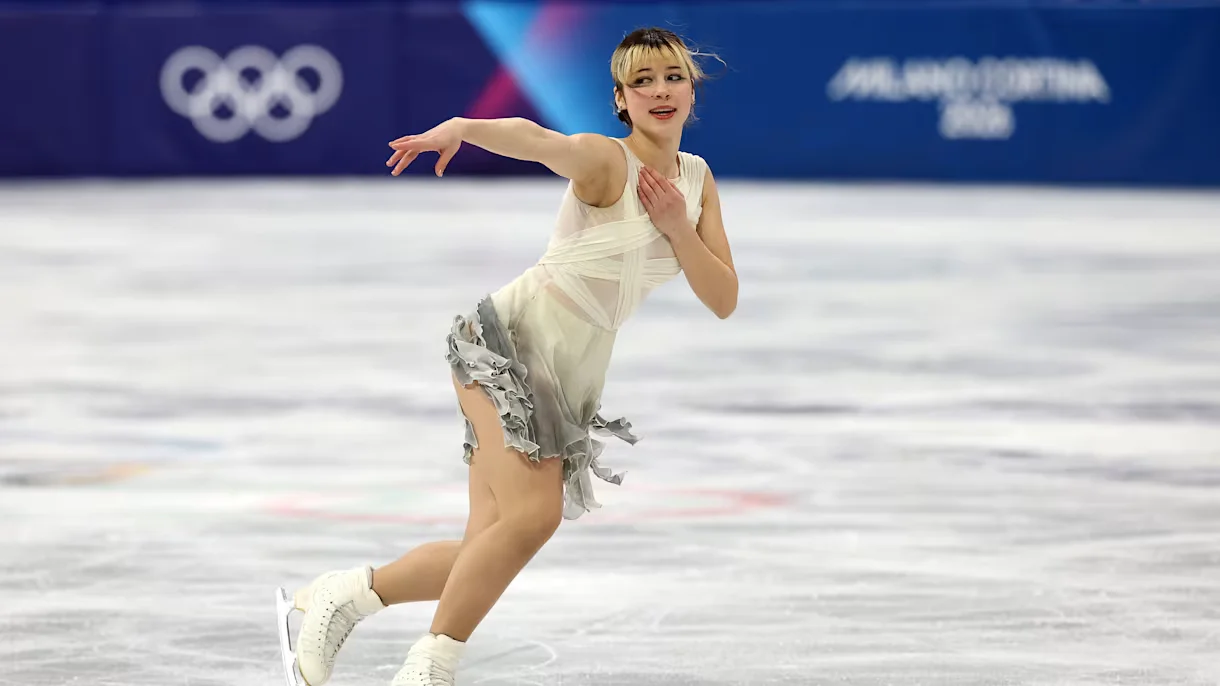
The score of 76.59 represented a new international personal best for Liu and placed her squarely in medal contention heading into the free skate. More importantly, it established her as the only American woman realistically positioned to challenge for gold after what had been a disappointing short program for the rest of the U.S. contingent. Japanese teenager Ami Nakai led the field with 78.71 points, followed by three-time world champion Kaori Sakamoto with 78.88, creating a tightly packed leaderboard where just fractions of points separate the top contenders.
From Retirement to Revival: Alysa Liu's Journey Back to the Olympics
What makes Liu's current position particularly remarkable is the circuitous route she took to get here. In 2022, at just 16 years old and already a two-time U.S. national champion, Liu announced her retirement from competitive skating, citing the need for a break from the intense pressure that had defined her young career. For nearly two years, she stepped away from the sport entirely, attending university and exploring life beyond the rink. Then, in March 2024, she announced her return—not out of obligation, but from a rediscovered love for skating on her own terms.
"I chose to be here," Liu has emphasized in recent interviews, highlighting the agency she now feels in her career. That choice led to a stunning victory at the 2025 World Championships in Boston, where she claimed the gold medal that established her as the skater to beat heading into the Olympic season. Her journey represents a new paradigm in figure skating—one where athletes can step away, redefine their relationship with the sport, and return stronger than ever. This narrative has resonated deeply with fans who have watched Liu grow from a precocious teenager landing triple Axels to a mature artist commanding the ice with technical precision and emotional depth.
Why Liu's Performance Could End a 20-Year US Women's Podium Drought
The last American woman to stand on the Olympic podium in figure skating was Sasha Cohen, who won silver in 2006. Since then, despite flashes of brilliance from skaters like Gracie Gold and Karen Chen, the United States has watched as Russian, Japanese, and South Korean skaters dominated the sport. Liu's performance on Tuesday represented the most legitimate chance in two decades for that drought to end, and it came at a moment when American skating needed it most.
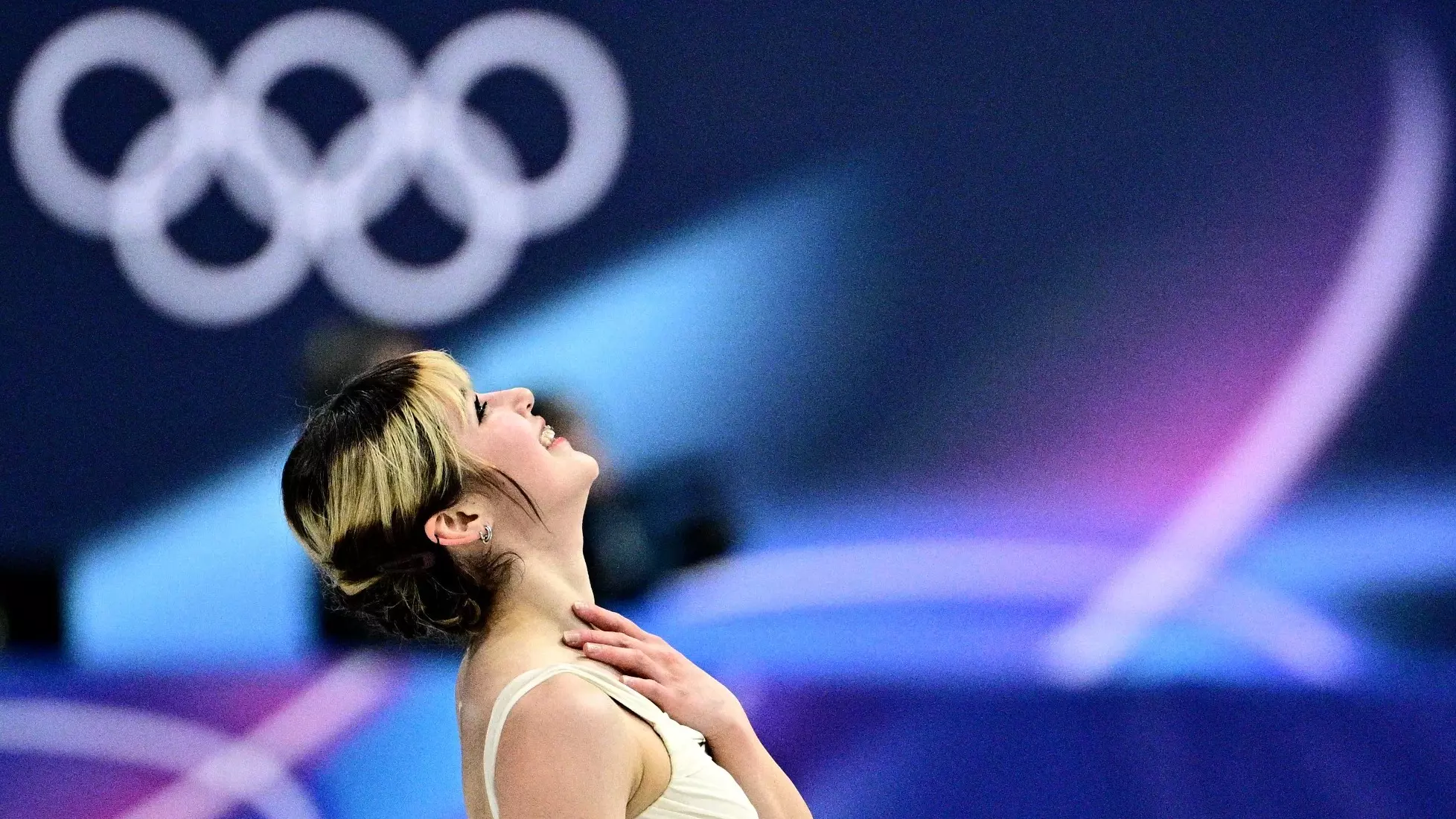
The contrast within Team USA's "Blade Angels" was stark: while Liu soared, teammate Amber Glenn—a veteran known for her artistic expression—made a critical error on her combination jump that left her in 15th place, effectively ending her medal chances. Isabeau Levito, the youngest member of the team at 18, delivered a clean but conservative program that earned 68.45 points, leaving her in 10th position. This uneven performance across the American squad has placed the burden of expectation squarely on Liu's shoulders, but those who have followed her career believe she's uniquely equipped to handle it. "Liu remains very much in the mix," noted Washington Post reporter Les Carpenter, capturing the cautious optimism that now surrounds the American's chances.
Standings and Scores: Where the Competition Stands Before the Free Skate
As the skaters prepare for Thursday's free skate, the mathematical reality offers both opportunity and challenge for Liu. Nakai's lead of 2.12 points is significant but not insurmountable in a discipline where the free skate is worth approximately twice as many points as the short program. More importantly, the margin between second and third is razor-thin—just 0.17 points separates Sakamoto from Liu—meaning that any slight error or moment of brilliance could reshuffle the podium.
The scoring breakdown reveals why Liu's performance was so impressive technically: her triple Lutz-triple loop combination earned 13.20 points alone, with positive Grades of Execution from all nine judges. Her program components scores—which measure skating skills, transitions, performance, composition, and interpretation—averaged 8.5, reflecting the artistic maturity she's developed since her comeback. Perhaps most telling was the reaction from the skating community; former Olympic champion Tara Lipinski noted during the broadcast that Liu's performance "had that special quality that separates contenders from champions."
The Road to Gold: What Liu Needs to Medal in Thursday's Free Skate
The path to the podium now requires Liu to deliver another exceptional performance in the free skate while hoping for some vulnerability from the skaters ahead of her. History suggests this is possible: at the 2025 World Championships, Liu trailed after the short program before delivering a dazzling free skate to claim gold. Her free program this season, set to a medley of contemporary and classical pieces, includes even more difficult technical content than her short program, featuring multiple triple-triple combinations and the potential for a triple Axel.
Strategy will play a crucial role. Liu and her coaching team must decide whether to attempt the riskiest elements to close the gap on Nakai and Sakamoto, or to focus on a clean, consistent program that could capitalize if either of the leaders makes mistakes. The latter approach has often proven successful in Olympic competition, where pressure has undone many favorites. For Liu, whose journey has been about skating on her own terms, the decision will likely reflect her unique philosophy: "I'm not here to prove anything to anyone except myself," she said recently. "I'm here because I love this sport and I want to see what I can do when I'm truly happy on the ice."
Key Points to Remember About Alysa Liu's Olympic Run
- Alysa Liu's score of 76.59 places her third after the short program, just 2.12 points behind leader Ami Nakai of Japan.
- She landed the most difficult combination attempted by any woman—a triple Lutz-triple loop—showcasing her technical superiority.
- Liu's comeback story, having retired in 2022 before returning to win the 2025 World Championships, adds a compelling narrative to her Olympic journey.
- As the only American woman in realistic medal contention, she carries the hopes of ending a 20-year U.S. podium drought in women's figure skating.
- The free skate on Thursday will determine whether Liu can move up from third position to claim what would be a historic gold medal for the United States.
Whether Alysa Liu ultimately stands on the podium or not, her performance in Milan already represents a victory for a new approach to elite athletics—one that prioritizes mental health, personal agency, and the rediscovery of joy in sport. As she prepares for Thursday's free skate, she does so not as a prodigy carrying the weight of expectation, but as a young woman who has reclaimed her passion and is skating, finally, for herself. And in that freedom, Team USA may have found its best chance in a generation for Olympic gold.