
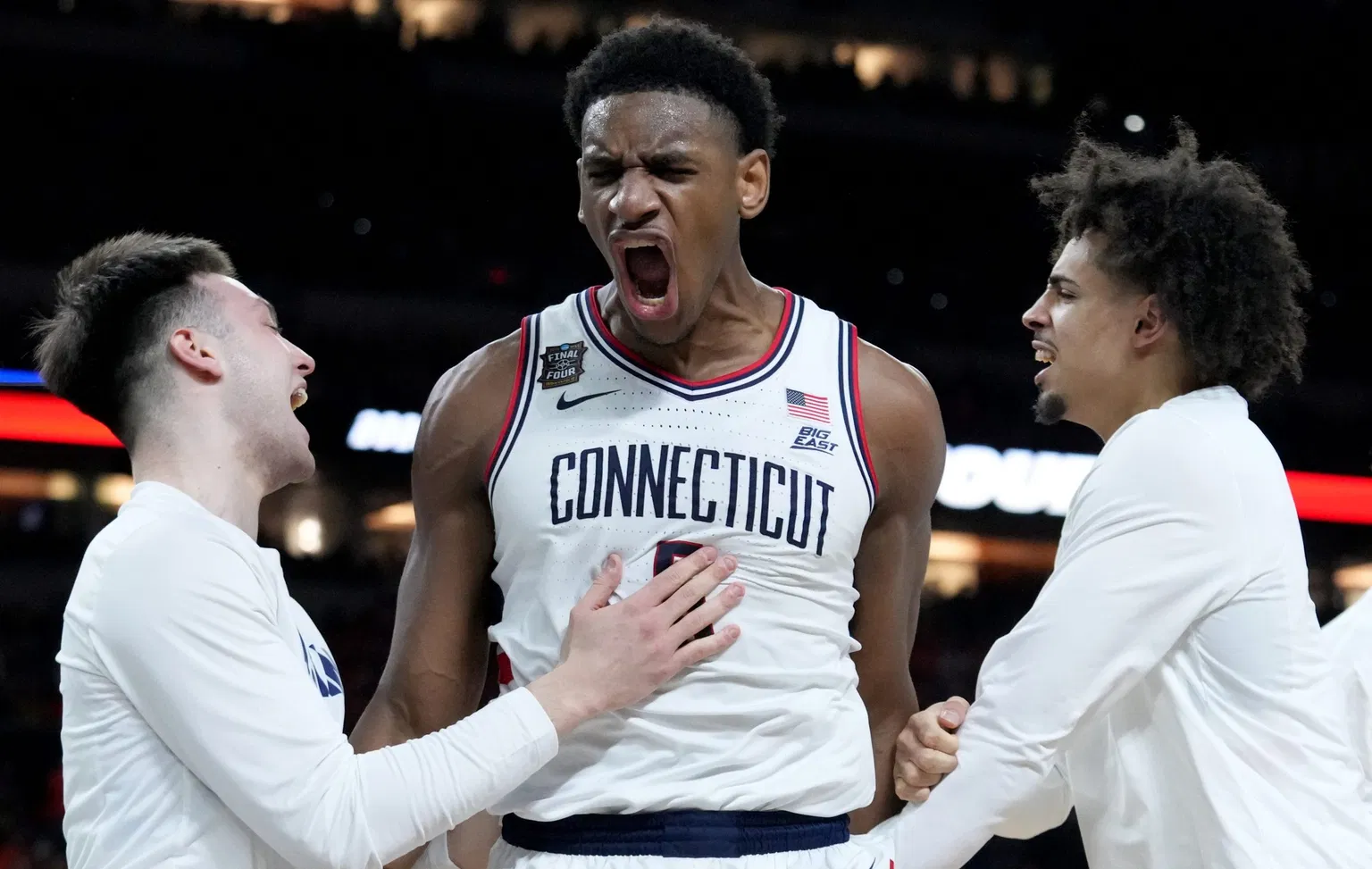
The 2026 NCAA men's basketball championship is generating unprecedented buzz as artificial intelligence models enter the prediction arena, offering data-driven forecasts for the highly anticipated showdown between the Michigan Wolverines and UConn Huskies. With Michigan seeking its first national title since 1989 and UConn attempting to make history with a third championship in four years, AI platforms including ChatGPT, Gemini, Claude, and Microsoft Copilot are analyzing millions of data points to determine which team has the edge. The convergence of advanced analytics and March Madness excitement has created a fascinating new dimension to championship predictions, with AI models sometimes contradicting traditional betting markets and expert analysis.
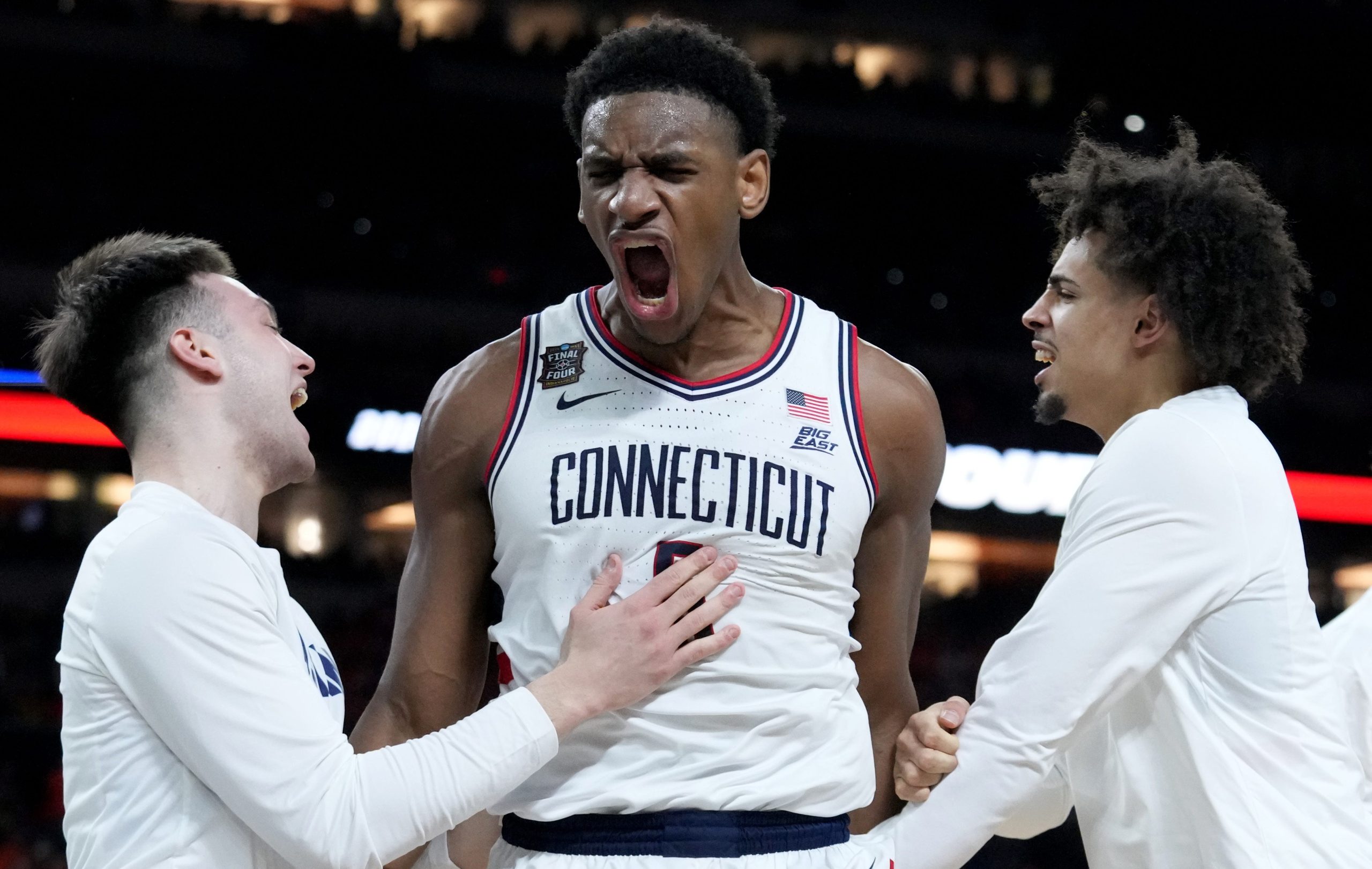
How AI Sees the Championship: Divergent Predictions Emerge
Different artificial intelligence platforms are arriving at contrasting conclusions about the 2026 NCAA championship game, reflecting the complexity of predicting tournament outcomes. According to analysis from SportsBettingDime, Michigan enters the game as a substantial favorite with a -301 moneyline, translating to a 71.85% implied probability of victory. However, AI models aren't universally convinced - while Microsoft Copilot notes that Michigan ranks No. 1 across major efficiency models, other platforms see potential for a UConn upset. Yahoo Sports reports that some AI simulations project a UConn 67-65 victory, suggesting the Huskies could cover the 6.5-point spread and potentially win outright. This divergence highlights how different AI systems weigh factors like defensive efficiency, tournament experience, and recent performance trends.
The Mirror US consulted ChatGPT for its official Final Four predictions, revealing that the popular AI chatbot picks UConn to advance to the national championship game based on the team's championship pedigree, defensive discipline, and ability to execute in late-game situations. However, ESPN's survey of 44 reporters and analysts shows a clear favorite emerging among human experts, creating an intriguing contrast between artificial and human intelligence. MSN's analysis of multiple AI platforms found that while most favored Michigan, Google's AI system was an outlier picking UConn, demonstrating that even within the AI ecosystem, there's significant disagreement about which team holds the advantage.
Timeline: The Road to the 2026 Championship Showdown
The path to this championship matchup has followed a dramatic trajectory that AI models have tracked throughout the tournament. UConn's journey included what SportsBettingDime describes as a "miracle comeback" to defeat Duke in the Elite Eight, followed by fending off a similar comeback threat from Illinois in the Final Four. This resilience under pressure has been a key factor in AI assessments of the Huskies' championship potential. Meanwhile, Michigan has dominated its tournament run, winning all five NCAA Tournament games by at least 13 points, though concerns about center Yaxel Lendeborg's ankle injury have introduced uncertainty into AI calculations.
The championship game itself is scheduled for April 6, 2026 at 8:50 PM ET from Lucas Oil Stadium in Indianapolis, with TBS and truTV providing national coverage. This marks UConn's third championship game appearance in four years, while Michigan returns to the title game for the first time since 2018. AI models have been tracking both teams' performance metrics throughout the season, with Michigan's 36-3 record and +18.1 average point differential contrasting with UConn's 34-5 record and +11.8 point differential. These statistical profiles form the foundation of most AI prediction algorithms, though different systems weigh various components differently.
Why AI Predictions Matter: The New Analytics Frontier
The emergence of AI championship predictions represents a significant evolution in sports analytics, offering insights that extend beyond traditional statistical analysis. According to SportsBettingDime's comprehensive breakdown, AI tools analyze not just basic metrics like points per game and defensive efficiency, but also incorporate factors such as injury impacts, betting market movements, and even psychological elements like tournament experience. This holistic approach allows AI systems to identify patterns and correlations that might escape human analysts, particularly when processing the vast datasets generated throughout a college basketball season.
Microsoft Copilot's emphasis on Michigan's top efficiency ratings across multiple models demonstrates how AI can synthesize diverse analytical frameworks into a coherent assessment. Meanwhile, ChatGPT's focus on UConn's championship experience and late-game execution shows how different AI platforms prioritize different variables. The practical implications extend beyond curiosity - these predictions influence betting markets, with SportsBettingDime reporting that 73.43% of betting tickets are backing Michigan to win outright, though UConn is drawing 40.49% of the total money wagered, indicating that larger, more sophisticated bets are taking the underdog.
Perhaps most importantly, the divergence among AI predictions highlights the inherent uncertainty of single-elimination tournament basketball. As The Mirror US notes in its ChatGPT analysis, "Illinois has the firepower to keep it close, especially if they get hot from the perimeter" - a reminder that even the most advanced AI cannot account for the unpredictable shooting performances that often decide championship games. This limitation creates space for human intuition and traditional scouting to complement AI insights, suggesting that the future of sports prediction lies in hybrid approaches that combine artificial and human intelligence.
Current Status: Where the Predictions Stand Now
As the championship game approaches, the AI prediction landscape continues to evolve with new data and market movements. SportsBettingDime's real-time analysis reveals that while Michigan commands 63.92% of betting tickets on the spread market, the consensus line has moved from UConn +7.5 to +6.5, indicating early market respect for the Huskies' defensive capabilities. This movement suggests that sophisticated bettors and possibly AI-driven betting systems are showing more confidence in UConn than the general public. The totals market presents the most lopsided split, with 91.39% of tickets and 94.17% of the money pouring in on the Over, creating what AI models identify as potential value in the Under 144.5.
Injury considerations represent another dynamic factor in AI calculations. SportsBettingDime notes that Lendeborg's ankle injury "could be an issue" for Michigan, while UConn arrives at full strength with the experience of having navigated high-pressure situations throughout their championship runs. Different AI systems appear to be weighing this injury factor differently, contributing to the variation in predictions. Meanwhile, traditional analytics continue to favor Michigan, with the Wolverines ranking first in offensive efficiency and second in defensive efficiency according to advanced metrics tracked by Microsoft Copilot and other systems.
The human expert consensus, as reported by ESPN, aligns more closely with the Michigan-favoring AI models, though with varying degrees of confidence. This convergence between some AI platforms and human experts creates an interesting consensus around Michigan as the favorite, while the outlier predictions from certain AI systems and the substantial money flowing toward UConn in betting markets suggest underlying uncertainty about whether the Wolverines can actually deliver on their statistical promise in a single championship game.
What Happens Next: The AI Prediction Impact
The 2026 championship game will serve as a crucial test case for the accuracy and utility of AI sports predictions, with implications extending far beyond this single matchup. If AI models that heavily favor Michigan prove correct, it could validate data-driven approaches that prioritize seasonal efficiency metrics over tournament intangibles. Conversely, if UConn prevails despite the statistical disadvantages highlighted by many AI systems, it may demonstrate the limitations of purely quantitative approaches in capturing the psychological and situational factors that define March Madness.
Beyond the immediate outcome, the growing role of AI in championship predictions signals a broader transformation in how sports are analyzed, discussed, and wagered upon. As noted in multiple analyses, platforms like Kalshi are already creating prediction markets based on AI insights, offering contracts that allow bettors to wager on specific outcomes like "Michigan to win by 7.5+" with odds directly influenced by AI probability calculations. This fusion of artificial intelligence and prediction markets represents what SportsBettingDime describes as "the new frontier" in sports betting analytics.
Perhaps most importantly, the attention being paid to AI predictions for this championship game reflects a cultural shift in how fans engage with sports. No longer satisfied with traditional expert analysis alone, audiences are increasingly seeking out data-driven insights from artificial intelligence, creating new opportunities for media organizations, betting platforms, and analytics companies. Whether these AI predictions prove accurate or not, their prominence in the 2026 championship conversation marks a turning point in the relationship between technology and sports fandom.
Key Takeaways from the AI Championship Forecast
The convergence of artificial intelligence and March Madness has produced fascinating insights into the 2026 NCAA championship matchup between Michigan and UConn. While AI models generally favor Michigan based on efficiency metrics and seasonal performance, significant divergence exists among different platforms, with some predicting a UConn upset. Betting markets reflect this uncertainty, with substantial money flowing toward the underdog despite Michigan being the clear favorite among casual bettors. The championship game will provide valuable data about the strengths and limitations of AI sports predictions, potentially reshaping how future tournaments are analyzed and forecasted.
As technology continues to evolve, the role of artificial intelligence in sports prediction will likely expand, offering increasingly sophisticated insights while also highlighting the enduring importance of human judgment in interpreting those insights. For now, fans, analysts, and bettors alike are watching closely to see whether the AI consensus or the AI outliers prove correct in one of the most anticipated championship games in recent memory.