
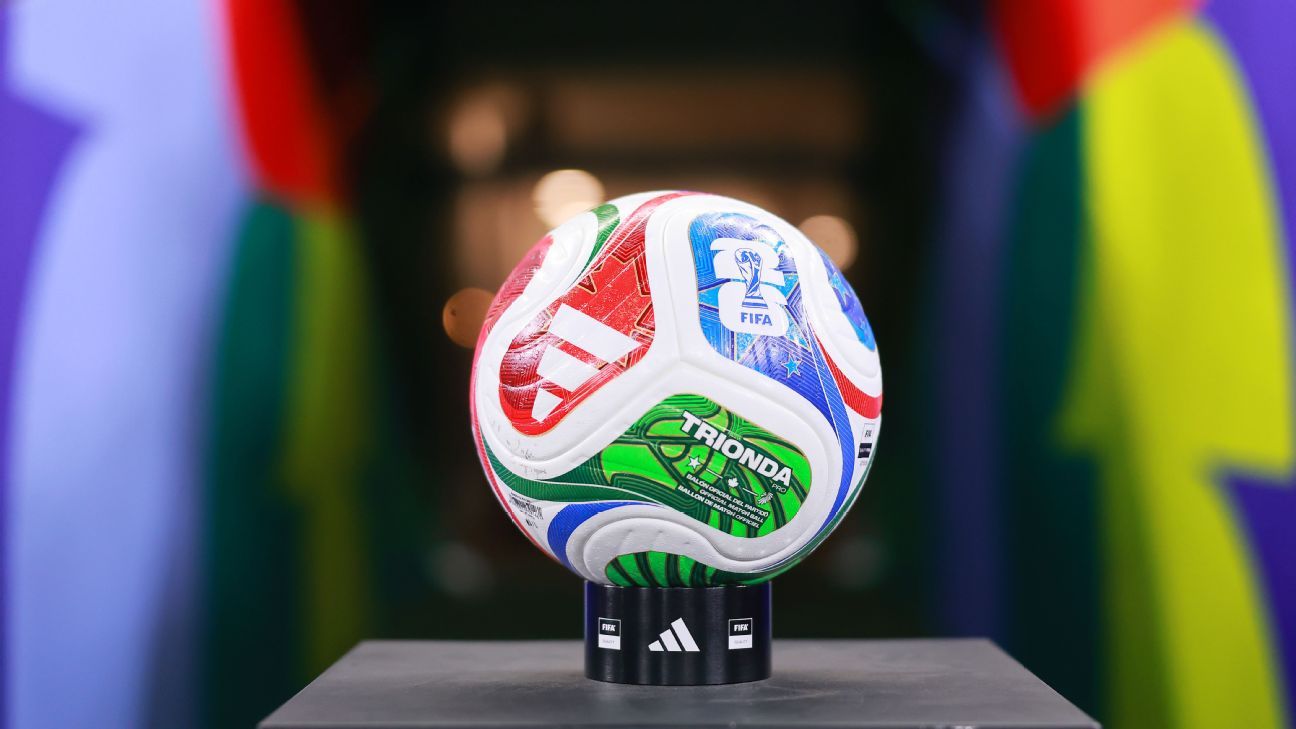
FIFA has once again raised ticket prices for the 2026 World Cup, pushing the cost of a top‑category final ticket to $10,990 as the organization launched its much‑anticipated “last‑minute sales phase” on April 1—a rollout immediately marred by technical glitches, long virtual queues, and a fresh wave of fan outrage. The fourth and final official ticket window opened at 11 a.m. ET Wednesday, offering remaining seats on a first‑come, first‑served basis, but within minutes social media was flooded with reports of error messages, frozen pages, and customers being directed into a mysterious “PMA” queue that led nowhere. The price hike, which adds hundreds—and in some cases thousands—of dollars to previously advertised rates, comes just weeks after fan groups filed a formal complaint with the European Commission accusing FIFA of “excessive pricing” and “monopoly abuse.”
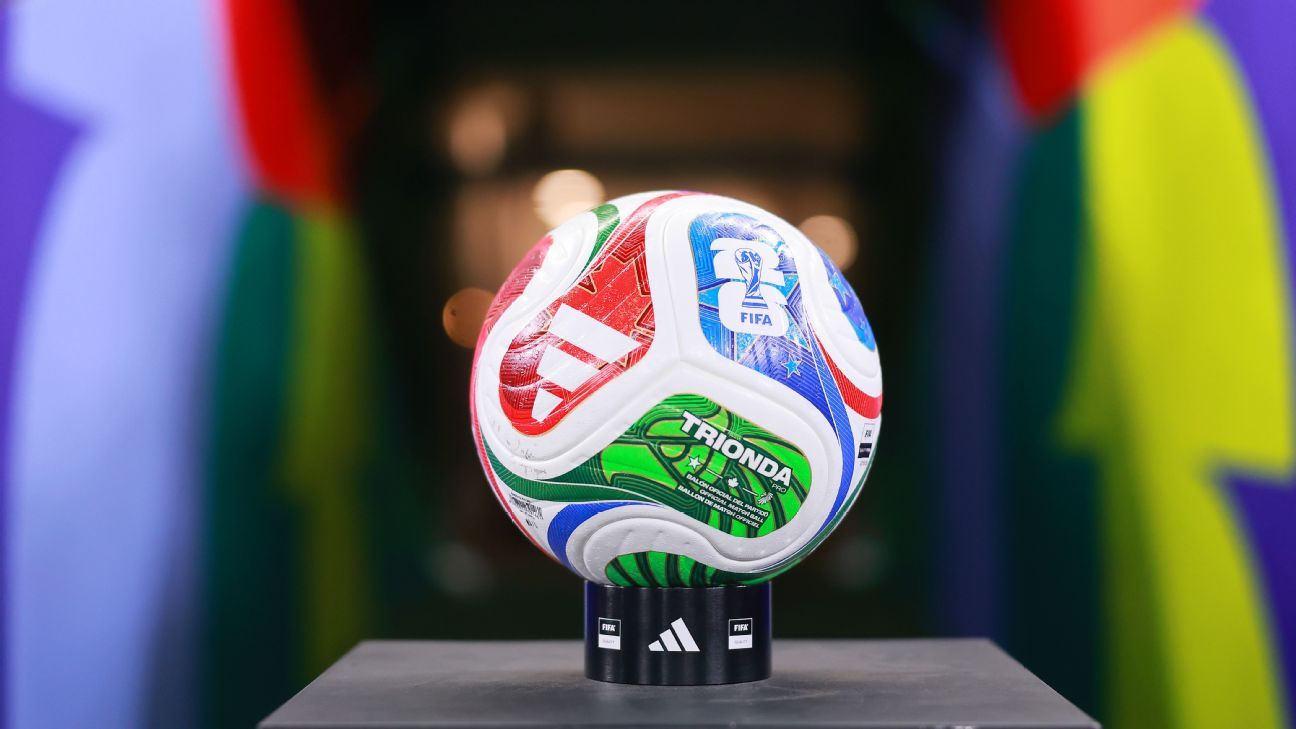
How the Last‑Minute Ticket Rush Unfolded
When FIFA announced in late March that a final ticket sales phase would open April 1, the organization described it as a “last‑minute” opportunity for the general public to secure seats on a first‑come, first‑served basis. What the governing body did not highlight was that prices would be higher than ever. According to ESPN and NPR, the most expensive “Category 1” tickets for the final at MetLife Stadium in New Jersey were raised to $10,990—up from $7,875 in the previous sales phase. The increase covers a wide range of matches: group‑stage tickets that once started at $180 now begin at $265, and even the newly created “Supporter Entry Tier” tickets, introduced in December at $60, have seen their availability drastically reduced. “Some people who clicked on what FIFA called its ‘last‑minute sales phase’ when sales opened at 11 a.m. ET were directed into a queue for ‘PMA’—a term that left many baffled—while others saw the site stall completely,” reported Sportsnet. The technical troubles were so widespread that by midday Wednesday, the phrase “FIFA ticket glitch” was trending on social‑media platforms.
Timeline: From $60 Promises to $11,000 Reality
The road to the current ticket‑price uproar began more than a year ago. In September 2025, FIFA unveiled its initial pricing structure, promising tickets that would range from $60 for group‑stage matches to $6,730 for the final. By December, after global fan backlash, FIFA introduced a small number of $60 “Supporter Entry Tier” tickets for every match, including the final. Yet when the first two sales phases opened, demand exploded: FIFA received more than 500 million ticket requests, oversubscribing available seats by more than 30 times. In March 2026, fan organization Football Supporters Europe filed a formal complaint with the European Commission, arguing that FIFA’s dynamic‑pricing model—which allows prices to rise with demand—amounted to “monopoly abuse.” Just days later, FIFA announced the April 1 last‑minute sales phase, and when the window opened, prices had jumped again. “The most expensive ‘Category 1’ tickets for the final will now cost $10,990, a broad area that covers most of the lower two bowls of MetLife Stadium,” noted OPB.

Why This Price Hike Matters: Expert Analysis and Impact
Sports‑business analysts point to several factors behind FIFA’s repeated price increases. First, the 2026 World Cup is the first to feature 48 teams, expanding the tournament to 104 matches across three host nations—the United States, Canada, and Mexico. That expansion has created unprecedented demand, but it has also driven up operational costs. Second, FIFA has embraced dynamic pricing, a model commonly used in airline and concert‑ticket sales, where prices fluctuate based on real‑time demand. “FIFA is using dynamic pricing for the first time at a World Cup, and the result is that a ticket for the same seat can cost hundreds of dollars more from one day to the next,” explained BBC Sport. Third, the organization is facing pressure to maximize revenue after the pandemic‑affected 2022 tournament in Qatar. “FIFA sees this as a once‑in‑a‑generation opportunity to reset its financial footing,” said one industry insider quoted by The Athletic. “But the risk is that it prices out the very fans who give the World Cup its atmosphere.” The impact is already being felt: many supporters who had budgeted for earlier price points now find themselves priced out, while others who secured tickets in earlier phases worry that the constant price hikes will depress the resale value of their seats.
Where Things Stand Now: Latest on the Ticket Chaos
As of April 2, 2026, the last‑minute sales phase remains open on FIFA’s ticketing portal, but the technical issues that plagued the first day appear to be slowly resolving. FIFA has not issued a formal statement on the glitches, but its customer‑support channels have been advising fans to “clear browser cache” and “try again later.” Meanwhile, fan‑advocacy groups are escalating their campaign. Football Supporters Europe has called on FIFA to abandon dynamic pricing and freeze prices for the remainder of the sales window. “This is a monumental betrayal of the supporters who make the World Cup what it is,” the group said in its complaint to the European Commission. In the United States, a coalition of lawmakers has also begun to pressure FIFA, urging the organization to “lower the cost of tickets for the average fan.” Despite the outcry, tickets are still selling—especially for high‑demand matches involving the host nations, the United States, Canada, and Mexico, as well as traditional powerhouses like Brazil, Argentina, and England.
What Happens Next: The Road Ahead for World Cup Tickets
With the last official sales window now open, the clock is ticking for fans who still hope to secure tickets through FIFA’s primary channel. Once this phase closes—likely just before the tournament kicks off in June 2026—the only remaining options will be the secondary resale market, where prices are expected to soar even higher. Analysts predict that final‑ticket packages on resale platforms could reach $15,000 or more, especially if any of the host nations advance deep into the knockout stage. Legal experts are also watching the European Commission’s response to the fan‑group complaint; if the Commission decides to investigate, FIFA could face regulatory pressure to adjust its pricing model for future tournaments. In the shorter term, FIFA may be forced to address the technical flaws in its ticketing platform, as another wave of demand is expected when the knockout‑round matchups are determined. For now, the message to fans is clear: the last‑minute sales phase is your final chance to buy at FIFA’s (already elevated) prices—but be prepared for a bumpy online experience and a wallet‑straining total.
The Bottom Line: Key Points to Remember
• FIFA raised the top ticket price for the 2026 World Cup final to $10,990 during the April 1 launch of the last‑minute sales phase.
• The final sales window operates on a first‑come, first‑served basis and will remain open until tickets are sold out or the tournament begins.
• Technical glitches plagued the opening hours, leaving many fans stuck in virtual queues or facing error messages.
• Fan groups have filed a formal complaint with the European Commission over FIFA’s “excessive” ticket prices and dynamic‑pricing system.
• With 48 teams and 104 matches, demand for the 2026 World Cup is historic—but so are the prices, making this the most expensive World Cup in history for attendees.