

The United States men's hockey team opened their 2026 Winter Olympics campaign with a commanding 5-1 victory over Latvia on Thursday, led by a two-goal performance from veteran forward Brock Nelson. In a dominant showcase of American NHL talent, Team USA overcame early challenges and disallowed goals to secure a decisive win in their preliminary round opener at the Milan Cortina Games. The victory immediately establishes the Americans as serious gold medal contenders and demonstrates the depth of skill that has made this year's roster one of the most talented in recent Olympic history.
How Team USA's Offensive Firepower Overwhelmed Latvia
Despite a somewhat sluggish start that saw two first-period goals disallowed after successful Latvian challenges, Team USA found their rhythm in the second period and never looked back. Brock Nelson, the 34-year-old Colorado Avalanche forward and oldest player on the American roster, broke a 1-1 tie with a nifty move around Latvian goaltender Elvis Merzlikins at 7:42 of the second period. Less than a minute before intermission, Nelson struck again on a perfectly executed one-timer from a Jack Hughes pass, giving the U.S. a 3-1 lead and effectively putting the game out of reach.
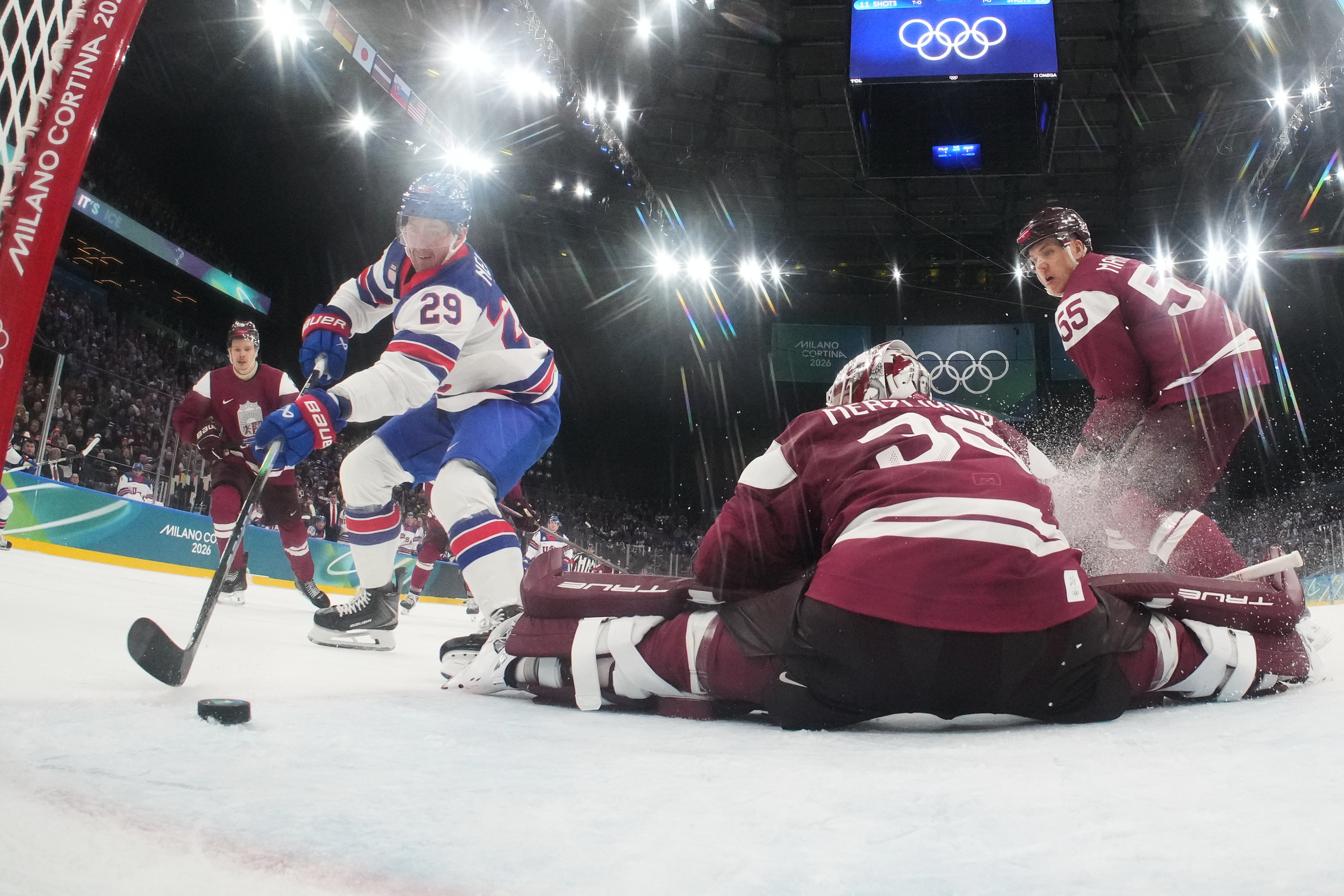
The scoring opened earlier when Brady Tkachuk beat Merzlikins with a wrist shot just 5:29 into the game, but Latvia answered quickly when Renars Krastenbergs converted a backhand past American goaltender Connor Hellebuyck. The game turned completely in the third period as Tage Thompson and Auston Matthews added insurance goals, while Hellebuyck finished with 17 saves on 18 shots. Team USA's offensive pressure was relentless throughout, generating 38 shots compared to Latvia's 18 and controlling play for long stretches with their superior speed and skill.
Timeline: How Team USA's Olympic Opener Unfolded
The game followed a narrative of early frustration giving way to complete domination. In the first period, Quinn Hughes appeared to score at 11:34, but Latvia successfully challenged for offsides. Minutes later, Nelson thought he had scored on a deflection, but that goal was also overturned after video review determined goaltender interference. These setbacks could have derailed a less experienced team, but the Americans maintained their composure and continued applying pressure.
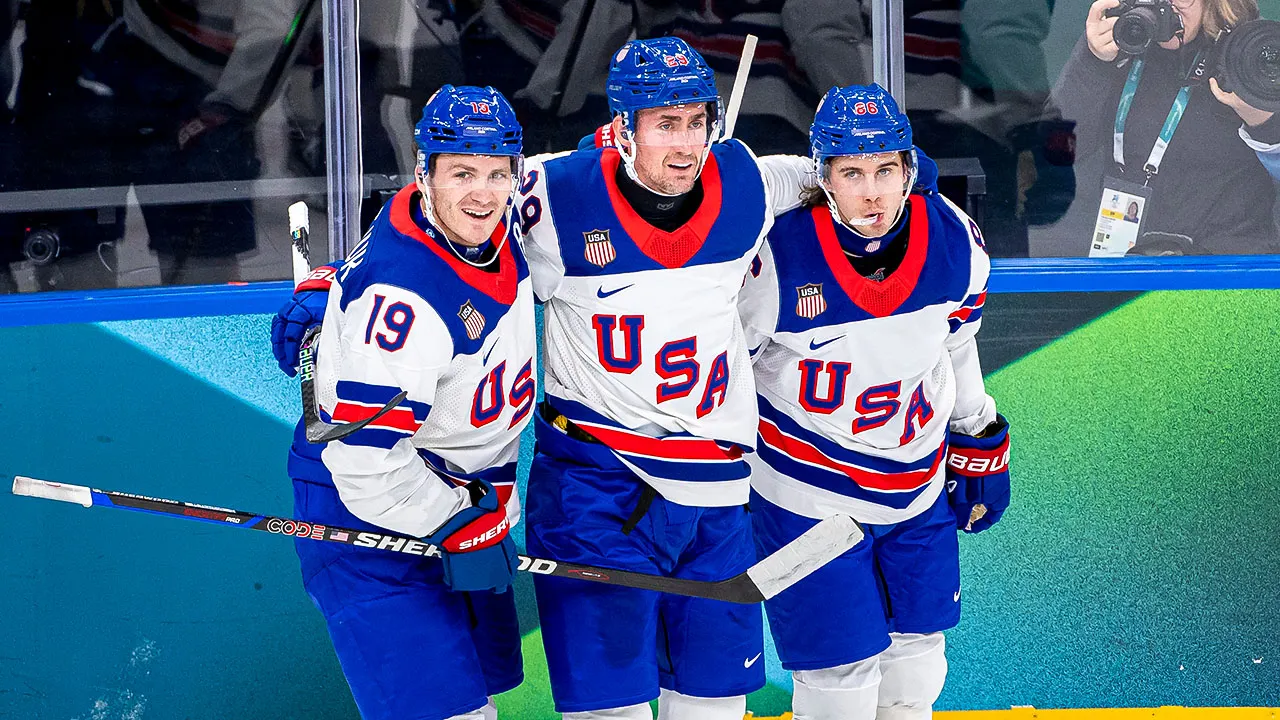
The second period became the Brock Nelson show. His first goal at 7:42 came after Hughes found him alone in front of the net, and Nelson displayed remarkable patience before deking around Merzlikins. His second at 19:01 showcased perfect timing as he one-timed a cross-ice pass into the net before the Latvian defense could react. The third period saw Thompson extend the lead to 4-1 at 6:15, and Matthews completed the scoring at 14:22, converting a rebound chance that exemplified Team USA's persistent offensive pressure.
Why This Victory Matters for Team USA's Gold Medal Hopes
This opening performance sends a clear message to the rest of the Olympic tournament: the United States has assembled a roster capable of competing for gold. The balanced scoring attack—with goals from four different players and multiple assists from Hughes, Matthew Tkachuk, and others—demonstrates the depth that will be crucial in a short tournament format. Head coach Mike Sullivan praised his team's resilience after the game, noting that "good teams find ways to win even when things don't go perfectly early."
The victory also highlights the strategic advantage of having NHL players back in the Olympics after their absence in 2022. The American roster features 20 NHL regulars, including superstars like Matthews, Hughes, Hellebuyck, and Jack Eichel. Their professional experience showed in how they handled adversity and maintained discipline despite the early officiating decisions going against them. Olympic hockey analysts immediately pointed to the team's defensive structure and transition game as areas that looked particularly polished for an opening contest.
Where Things Stand Now in the Olympic Tournament
With this victory, Team USA sits atop Group C with a 1-0-0 record and 3 points. The win provides crucial momentum heading into their next preliminary round match against Switzerland on Saturday. The Americans now have two days to review game film, make adjustments, and prepare for what promises to be a tougher test against a Swiss team that has historically played the U.S. tough in international competition.
Internally, the team will focus on improving their power play (0-for-2 against Latvia) and reducing turnovers in the neutral zone. Despite the lopsided score, Sullivan identified several areas for improvement, particularly in maintaining defensive intensity with a multi-goal lead. The coaching staff will also monitor player workloads, as the compact Olympic schedule requires careful management of ice time to keep players fresh for the medal rounds.
What Happens Next for Team USA's Olympic Journey
The road to gold now continues with preliminary round games against Switzerland and Germany before likely quarterfinal matchups next week. Based on this opening performance, the Americans have established themselves as legitimate contenders, but the tournament's true tests still await. Traditional hockey powers Canada, Sweden, and Russia (competing as neutral athletes) all looked strong in their openers, setting up what could be classic Olympic hockey battles in the elimination rounds.
For Brock Nelson and his teammates, the immediate focus remains on daily improvement and building chemistry. Nelson's performance particularly resonated given his family's Olympic hockey history—he's the fifth member of his family to represent the U.S. in Olympic hockey, following in the footsteps of relatives who won gold at the 1960 Squaw Valley Games. That legacy adds emotional weight to what this tournament represents for both the player and the program seeking to end a 46-year gold medal drought in men's hockey.
Key Takeaways from Team USA's Dominant Opening Win
The 5-1 victory over Latvia provides several important indicators for Team USA's Olympic prospects. First, the team's depth proved decisive—when top lines were initially frustrated, secondary scoring emerged. Second, the composure shown after early setbacks demonstrates mental toughness that will be essential in close games. Third, the defensive performance limited high-quality chances against one of the tournament's better goaltenders in Connor Hellebuyck. Finally, the ability to control play territorially and generate sustained offensive pressure suggests this team has the ingredients for a deep tournament run.
As the Olympic hockey tournament progresses, this opening statement victory will serve notice that the United States has arrived in Milan with serious intentions. The combination of star power, balanced scoring, and resilient mentality makes them a formidable opponent for any team in the field, and their pursuit of America's first men's hockey gold since the "Miracle on Ice" in 1980 is officially underway.