
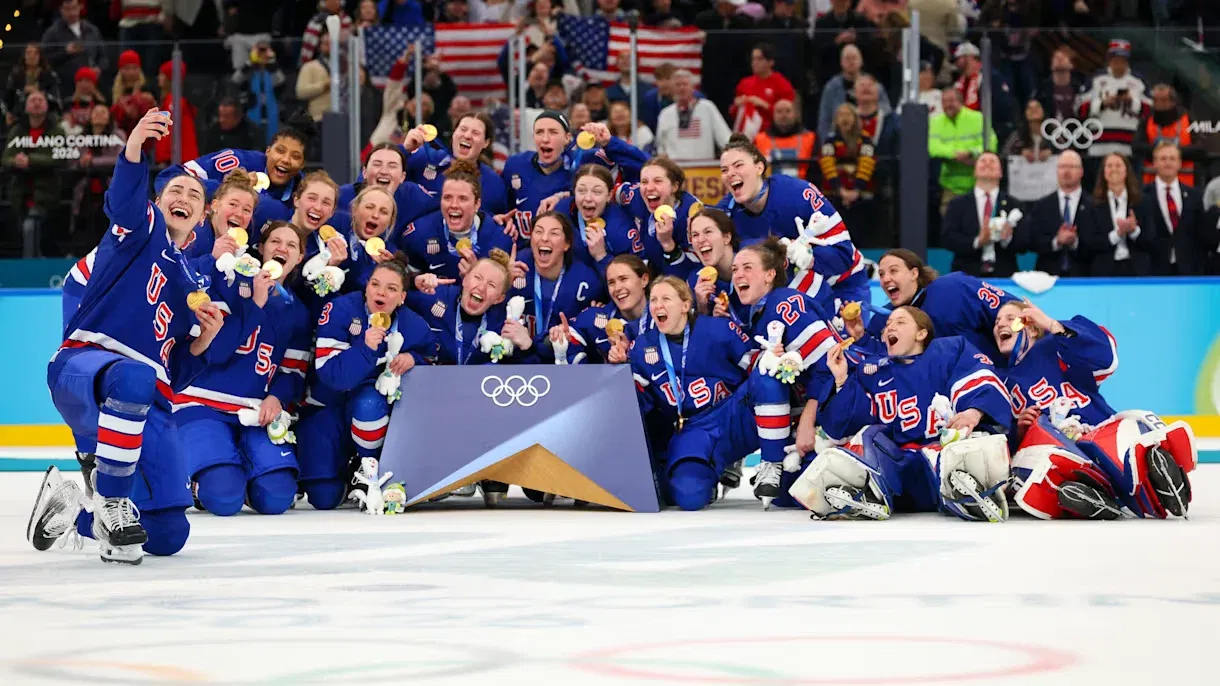
Megan Keller cemented her place in Olympic history on Thursday, February 19, 2026, when she backhanded a shot 4:07 into overtime to deliver the United States a dramatic 2-1 victory over Canada in the women's hockey gold medal game at the Milano Cortina Winter Olympics. The Farmington Hills, Michigan native's golden goal not only secured Team USA's third Olympic title in women's hockey but also capped a perfect tournament run and provided a storybook ending to veteran captain Hilary Knight's record-setting Olympic career. In a game that lived up to the storied rivalry between the two North American powers, the Americans overcame a third-period deficit, tied the game with less than two minutes remaining, and then won it in the 3-on-3 extra session to claim their first gold since 2018.
How the Golden Goal Unfolded: Inside USA's Overtime Triumph
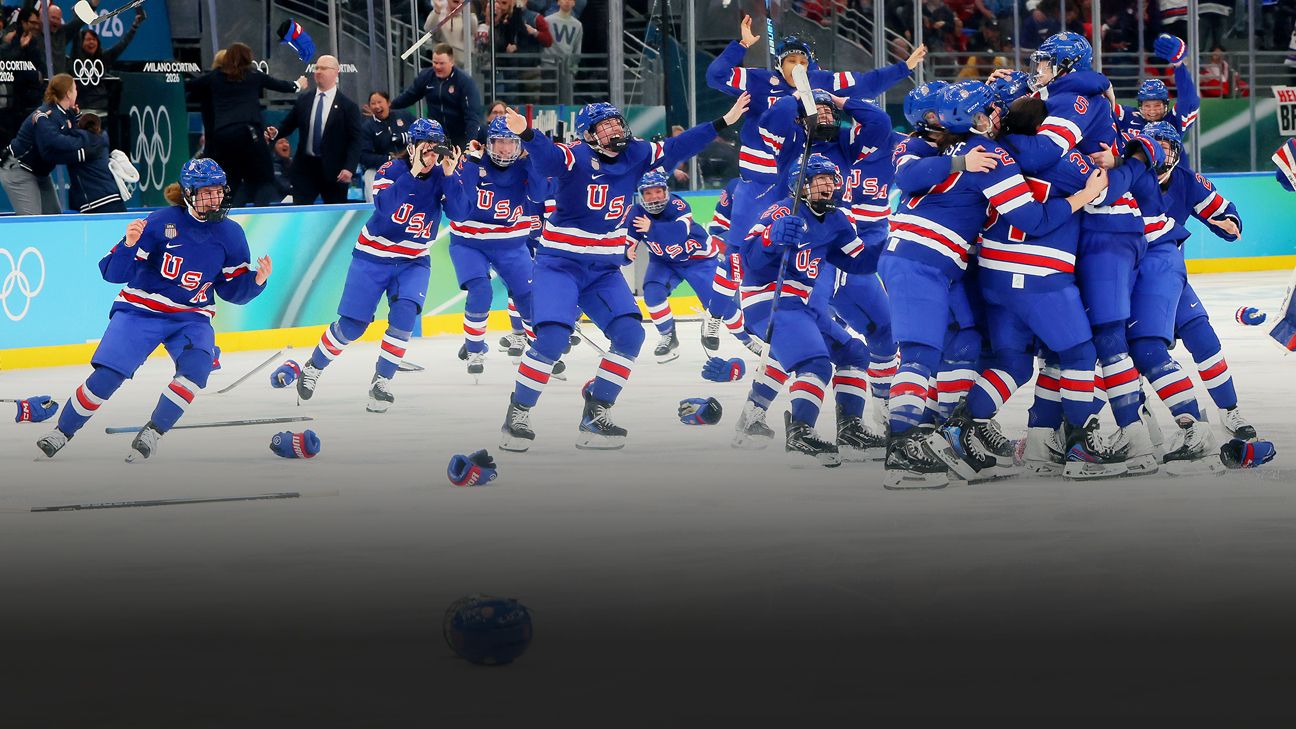
With the game tied 1-1 after regulation, the Olympic final moved to a 3-on-3 overtime format that promised sudden-death drama. Just over four minutes into the extra period, Megan Keller collected a pass near the blue line, danced around a Canadian defender with a quick deke, and fired a backhand shot that beat goaltender Ann‑Renee Desbiens high to the glove side. The puck hit the back of the net at the 4:07 mark, setting off a wild celebration among the American players and silencing a pro‑Canada crowd at Milan's Arena.
"I just saw a little bit of space and tried to make a move," Keller said afterward. "When it went in, I couldn't believe it. This is an incredible feeling." The goal was Keller's first of the tournament and arguably the biggest of her career, coming on hockey's grandest stage against the Americans' fiercest rival.
The overtime winner was made possible by Hilary Knight's clutch tying goal with exactly 2:00 left in the third period. With Team USA trailing 1‑0 and their gold‑medal hopes fading, Knight redirected a shot from the point past Desbiens to knot the score and send the game to overtime. The goal was Knight's 15th in Olympic play, breaking the U.S. career record she had shared with Natalie Darwitz, and her 33rd Olympic point, also a new American benchmark.
Timeline: From Canadian Lead to American Gold
The gold‑medal contest followed a script familiar to anyone who has watched the U.S.‑Canada rivalry over the past two decades. Here's how the pivotal moments unfolded:
- First Period (0‑0): Both teams traded chances but were unable to break through. U.S. goaltender Aerin Frankel made several key saves to keep the game scoreless.
- Second Period (1‑0 Canada): Against the run of play, Canada's Kristin O'Neill scored a shorthanded goal at 12:34 of the middle frame, capitalizing on a turnover and beating Frankel on a breakaway. The goal gave Canada a 1‑0 lead and put the Americans on their heels.
- Third Period (1‑1): The United States pushed desperately for an equalizer, outshooting Canada 14‑6 in the final stanza. The pressure finally paid off when Knight scored with exactly two minutes remaining, sending the American bench into a frenzy and forcing overtime.
- Overtime (2‑1 USA): Just 4:07 into the 3‑on‑3 extra session, Keller took a pass from Savannah Harmon, faked a shot to freeze the Canadian defender, then moved to her backhand and lifted the puck over Desbiens' shoulder. The goal triggered an immediate on‑ice celebration and gave the United States its third Olympic gold in women's hockey.
Why This Victory Matters: Redemption and Changing of the Guard
For the United States women's hockey program, this gold medal represents both redemption and a passing of the torch. After winning gold in 2018, the Americans settled for silver in 2022 when Canada defeated them 3‑2 in the Beijing final. The 2026 victory not only avenges that loss but also reasserts the United States as the world's premier women's hockey nation.
The game also symbolized a changing of the guard within the team. Hilary Knight, 36, had announced before the tournament that Milan would be her fifth and final Olympics. Her record‑setting tying goal provided a fitting finale to a legendary career that includes four Olympic medals (two gold, two silver) and countless international honors. Meanwhile, Megan Keller, 29, emerged as the new face of American women's hockey—a player capable of delivering in the biggest moments and leading the program into the next era.
"This team has such a great mix of veterans and young players," said U.S. coach John Wroblewski. "Hilary has been our leader for so long, and to see her come through like that in her final game was special. And then Megan, she's been one of our best players for years, and tonight she showed the world what she can do. This is just the beginning for her."
The victory completed a perfect run for the Americans, who went 7‑0‑0 in the tournament and outscored opponents 28‑5. The gold medal also extends the United States' remarkable success in women's team sports at the Winter Olympics; American women have now won gold in hockey, curling, and bobsled at the same Games for the first time.
Where Things Stand Now: Celebrations and Future Plans
In the immediate aftermath of the victory, Team USA players celebrated on the ice with American flags draped over their shoulders, many of them in tears of joy. The team then participated in the traditional medal ceremony, where Keller, Knight, and their teammates received their gold medals as the U.S. national anthem played.
"I'm just so proud of this group," Keller said during the post‑game press conference. "We faced adversity all tournament, and we never stopped believing. To do this for our country, for our families, and for each other—it's something I'll never forget."
Knight, who has been the face of U.S. women's hockey for over a decade, was characteristically gracious in victory. "This is what we work for every day," she said. "To be able to share this moment with these women, to see Megan become a national hero, it's just incredible. I couldn't have written a better ending to my Olympic career."
The team is scheduled to return to the United States on Saturday, where they will be honored at a White House ceremony and participate in a victory tour across several cities. Keller, in particular, can expect a hero's welcome in her home state of Michigan, where youth hockey participation has surged in recent years.
What Happens Next: The Future of US Women's Hockey
With the Olympic cycle now complete, attention turns to the future of the women's game. Most members of the gold‑medal team will return to their Professional Women's Hockey League (PWHL) clubs within the next two weeks. Keller plays for the Boston Fleet, while Knight is a member of the Montreal Echo. The PWHL season resumes on March 1, with several key matchups already circled on the calendar.
Looking further ahead, the United States will begin preparations for the 2027 IIHF Women's World Championship, which will be held in Utica, New York. That tournament will serve as the first major test for the post‑Knight era, though the veteran captain has indicated she may continue playing internationally through the 2027 worlds before retiring from the national team.
For Megan Keller, the future is exceptionally bright. The 29‑year‑old defenseman is in the prime of her career and is expected to be a cornerstone of the U.S. program for at least the next two Olympic cycles. Her performance in Milan has already sparked discussions about her potential to become the face of women's hockey globally, following in the footsteps of players like Knight and Canada's Marie‑Philip Poulin.
"Megan has all the tools to be the best defenseman in the world for the next decade," said former U.S. Olympic gold medalist Angela Ruggiero. "She's skilled, she's smart, she's competitive, and now she's proven she can deliver when it matters most. This is just the beginning for her."
The Bottom Line: Key Points to Remember
- Megan Keller scored the golden goal 4:07 into overtime to give the United States a 2‑1 victory over Canada in the women's hockey gold‑medal game at the 2026 Winter Olympics.
- Hilary Knight tied the game with 2:00 left in regulation, setting U.S. Olympic records for career goals (15) and points (33).
- The win marks Team USA's third Olympic gold in women's hockey (1998, 2018, 2026) and completes a perfect 7‑0‑0 tournament run.
- Keller, a 29‑year‑old defenseman from Farmington Hills, Michigan, played college hockey at Boston College and is a member of the PWHL's Boston Fleet.
- The victory redeems Team USA's silver‑medal finish in 2022 and re‑establishes the United States as the world's top women's hockey program.
- With Knight expected to retire from international play, Keller is poised to become the new face of U.S. women's hockey heading into the 2030 Olympic cycle.
As the celebrations continue and the players return to their professional teams, one thing is certain: Megan Keller's golden goal has secured her place in American hockey lore and provided a moment that will inspire a new generation of players for years to come.