

In one of the most dramatic moments in recent Olympic history, New Jersey Devils star Jack Hughes lost two front teeth after taking a high stick to the mouth from Canada's Sam Bennett, then returned to score the golden goal in overtime to give Team USA its first men's hockey gold medal since the 1980 "Miracle on Ice." The incredible sequence during the 2026 Winter Olympics gold medal game has become an instant legend, showcasing the toughness and determination that define hockey at its highest level.

How Jack Hughes Lost His Teeth and Won Olympic Gold
The injury occurred with just over seven minutes remaining in the third period of a tense 1-1 game at Santaguilia Arena in Milan. As Hughes battled for position in front of the Canadian net, Bennett's stick came up high, striking Hughes directly in the mouth. According to USA Today, the impact knocked out at least two of Hughes' front teeth, drew blood, and left him on the ice momentarily before he skated to the bench for treatment. Despite the significant dental trauma, Hughes missed only a single shift before returning to the ice.
"I looked in the mirror and I was like, 'Oh, that's different,'" Hughes told The Athletic after the game, displaying the characteristic understatement that has made him a fan favorite. "But honestly, in the moment, you don't really feel it. You're just focused on the game." Bennett received a two-minute penalty for high-sticking on the play, setting up a power play that would ultimately lead to Hughes' historic moment.
From Injury to Victory: The Golden Goal Timeline
The sequence of events that turned potential disaster into triumph unfolded with cinematic precision. After Bennett's penalty at 12:47 of the third period, Team USA couldn't convert on the power play, and regulation ended with the score tied 1-1. As overtime began, both teams understood the next goal would secure gold. At the 1:41 mark of the extra session, Hughes took a pass from defenseman Zach Werenski and fired a shot past Canadian goaltender Jordan Binnington, sending the American bench into celebration.
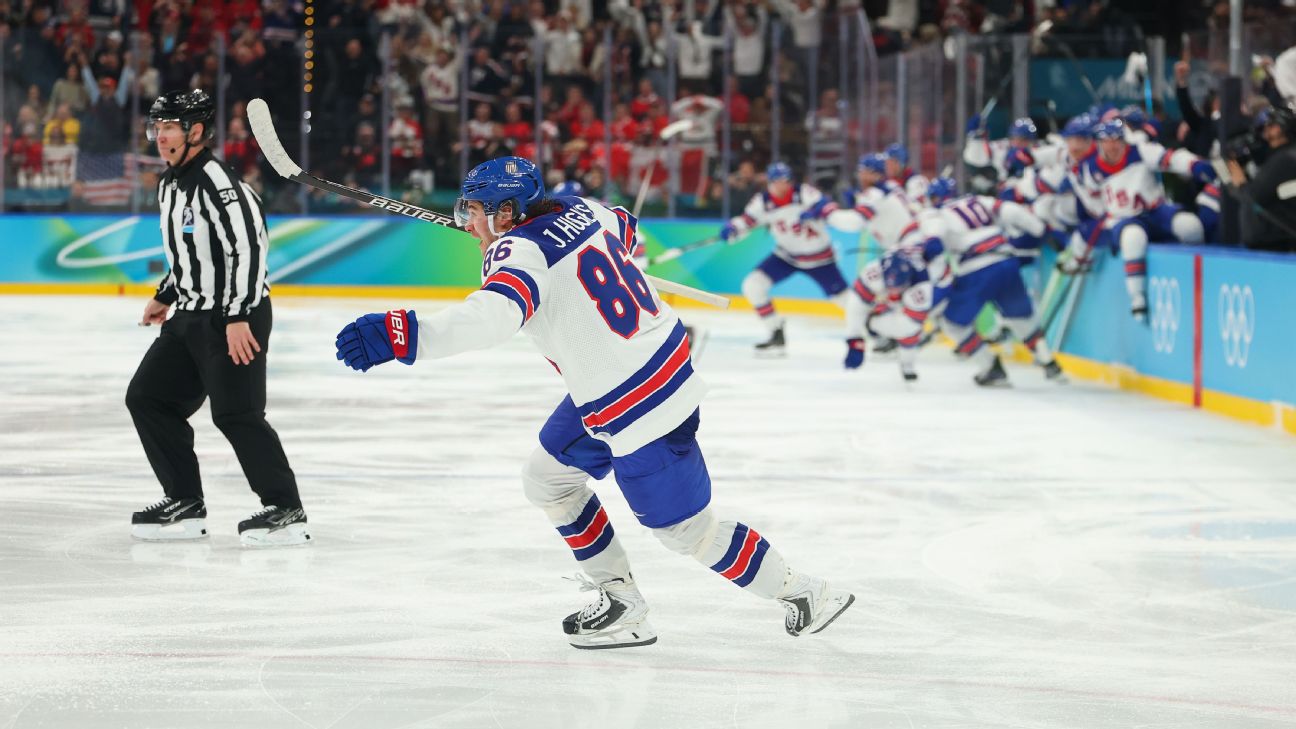
"It was 46 years to the day since the Miracle on Ice, and here we were creating our own miracle," Hughes said in post-game interviews. The victory marked the United States' first men's Olympic hockey gold since the famous 1980 victory over the Soviet Union, and the first time they had defeated Canada for gold since 1960. According to Olympics.com, the win completed an undefeated tournament for Team USA, who finished with a record of 4-2-0-0 (wins-overtime wins-overtime losses-losses).
Why Hughes' Performance Defines Hockey Grit
What makes Hughes' performance particularly remarkable is how it embodies the culture of toughness that has long defined hockey. "He is an animal," Team USA coach John Tortorella told The Guardian. "To take that kind of shot to the face, lose teeth, and then come back to score the biggest goal of your life—that's the kind of player you build teams around." Dental experts interviewed by Newsweek confirmed that Hughes likely suffered significant dental trauma that could require implants and weeks of recovery.
Dr. Jason Auerbach, an oral surgeon who has worked with professional athletes, explained to TMZ that "when teeth are knocked out in this manner, there's often bone damage that needs to heal before any permanent restoration can occur." He estimated that Hughes would need at least 4-6 weeks before he could receive dental implants, and even then, the process would require careful management around his hockey schedule.
Where Hughes Stands Now: Dental Recovery and Celebrations
In the immediate aftermath of the victory, Hughes participated in medal ceremonies and celebrations with his trademark gap-toothed smile. "I'm not worried about my teeth right now," he told reporters during the gold medal celebration. "I've got a gold medal around my neck, and that's all that matters." According to AP News, Hughes planned to consult with dental specialists upon returning to the United States, but emphasized that he would enjoy the victory first.
The image of Hughes celebrating with missing teeth has gone viral across social media, with many fans and fellow athletes praising his toughness. "Jack Hughes gave up two teeth for his country and got gold in return," tweeted former NHL player P.K. Subban. "That's the kind of sacrifice that defines champions." The moment has also sparked discussions about hockey's relationship with dental injuries, with Forbes noting that tooth loss has become almost a rite of passage in the sport.
What's Next for Jack Hughes and Team USA
Looking ahead, Hughes will return to the New Jersey Devils once NHL play resumes after the Olympic break. Devils general manager Tom Fitzgerald told ESPN that the team's medical staff would coordinate with Hughes' dental specialists to ensure proper recovery. "Jack's health is our priority," Fitzgerald said. "We'll make sure he gets the best possible care, but knowing Jack, he'll want to get back on the ice as soon as possible."
For Team USA, the victory marks a potential turning point in international hockey. As noted by NHL.com, the American program has been building toward this moment for years, with Hughes and his brother Quinn Hughes (who also played on the gold medal team) representing the new generation of American talent. The win establishes the United States as a dominant force in international hockey heading toward the 2030 Olympics.
Key Takeaways from an Unforgettable Olympic Moment
Jack Hughes' golden goal after losing teeth will be remembered as one of the defining moments of the 2026 Winter Olympics. The sequence perfectly captured the essence of hockey—the willingness to sacrifice personal well-being for team success, the ability to overcome adversity in real time, and the dramatic finishes that make the sport so compelling. As Hughes himself put it: "This is why you play the game. For moments like this, for your country, for your teammates. The teeth will grow back—or at least, they'll get replaced—but this gold medal is forever."