
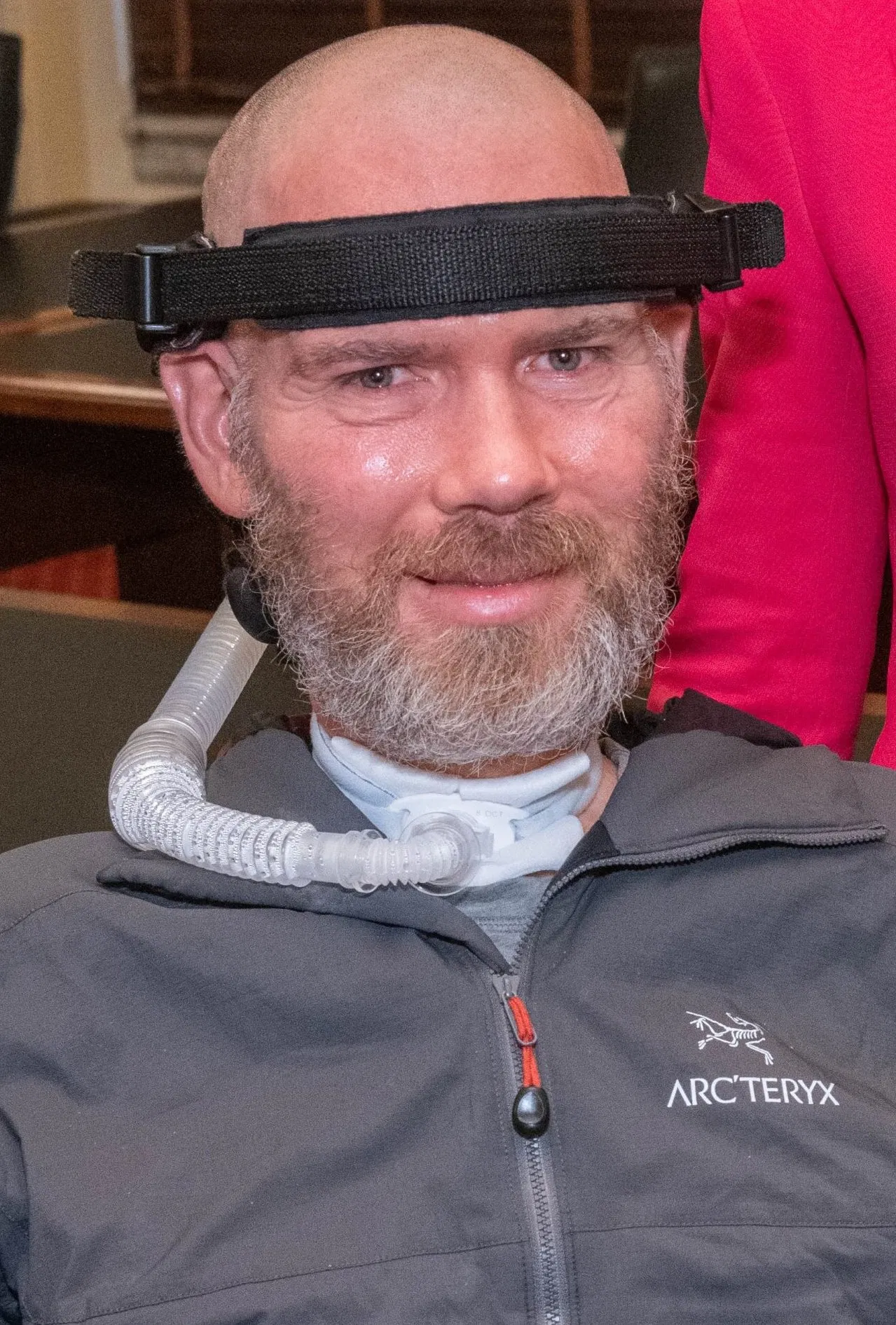
Steve Gleason, the former New Orleans Saints safety whose blocked punt became one of the most enduring symbols of New Orleans' rebirth after Hurricane Katrina, is opening up about his 15-year battle with ALS — and the resilience that has made him one of the NFL's most beloved figures. In a recent sit-down with Robin Roberts on Good Morning America, Gleason reflected on the legendary play he made nearly two decades ago and how his fight against amyotrophic lateral sclerosis, also known as Lou Gehrig's disease, has brought him closer to teammates, family and fellow patients. The emotional interview landed just days after the Saints honored Gleason with the inaugural Saints Hall of Fame Courage Award at a luncheon on December 12, 2025, cementing his place not just in franchise history but in the wider story of courage in American sports.
Diagnosed with ALS in January 2011 at the age of 34, Gleason has spent the years since transforming a terminal diagnosis into a platform for advocacy, technology and hope. His journey — from a special teams standout at Washington State University to an eight-year NFL career to a global symbol of resilience — continues to resonate with fans, athletes and the ALS community alike.
The Play That Sparked a City's Rebirth
Long before he was known as an ALS advocate, Steve Gleason was a defensive back and special teams ace for the New Orleans Saints, suiting up from 2000 to 2007. But on September 25, 2006, he delivered a moment that transcended football entirely. It was the Saints' first home game at the Superdome since Hurricane Katrina struck the Gulf Coast in August 2005, flooding New Orleans and turning the stadium itself into a damaged shelter before it was painstakingly repaired. The Saints had spent the 2005 season displaced, splitting home games between San Antonio and Baton Rouge.
Early in that Monday Night Football matchup against the rival Atlanta Falcons, Gleason burst through the line and blocked a punt by Atlanta's Michael Koenen. The loose ball was recovered in the end zone by teammate Curtis Deloatch for a touchdown, and the Superdome erupted in a roar that echoed far beyond the building. The play — now remembered simply as "the Rebirth" — gave the Saints an early spark in a 23-3 victory and, more importantly, told a grieving city it could stand back up.
Gleason has long insisted the moment was never about him alone. Reflecting years later, he emphasized that it wasn't the Saints who brought New Orleans back — it was the people of the city. The blocked punt would eventually be immortalized in a bronze statue outside the Superdome, a permanent reminder of the night football and a community reclaimed their home.
A Devastating Diagnosis and a New Mission
Gleason's playing career concluded after the 2007 season, and in January 2011, at age 34, he received the news that would redefine his life: he had ALS, a progressive neurodegenerative disease that destroys the nerve cells controlling voluntary muscle movement. There is no cure, and the diagnosis typically carries a life expectancy of two to five years.
Rather than retreat, Gleason and his family — including his wife, Michel, and their son, Rivers, who was born not long after the diagnosis — launched a new mission. He adopted a simple mantra that would become the foundation's rallying cry: "There will be no white flags."
Team Gleason and the "No White Flags" Movement
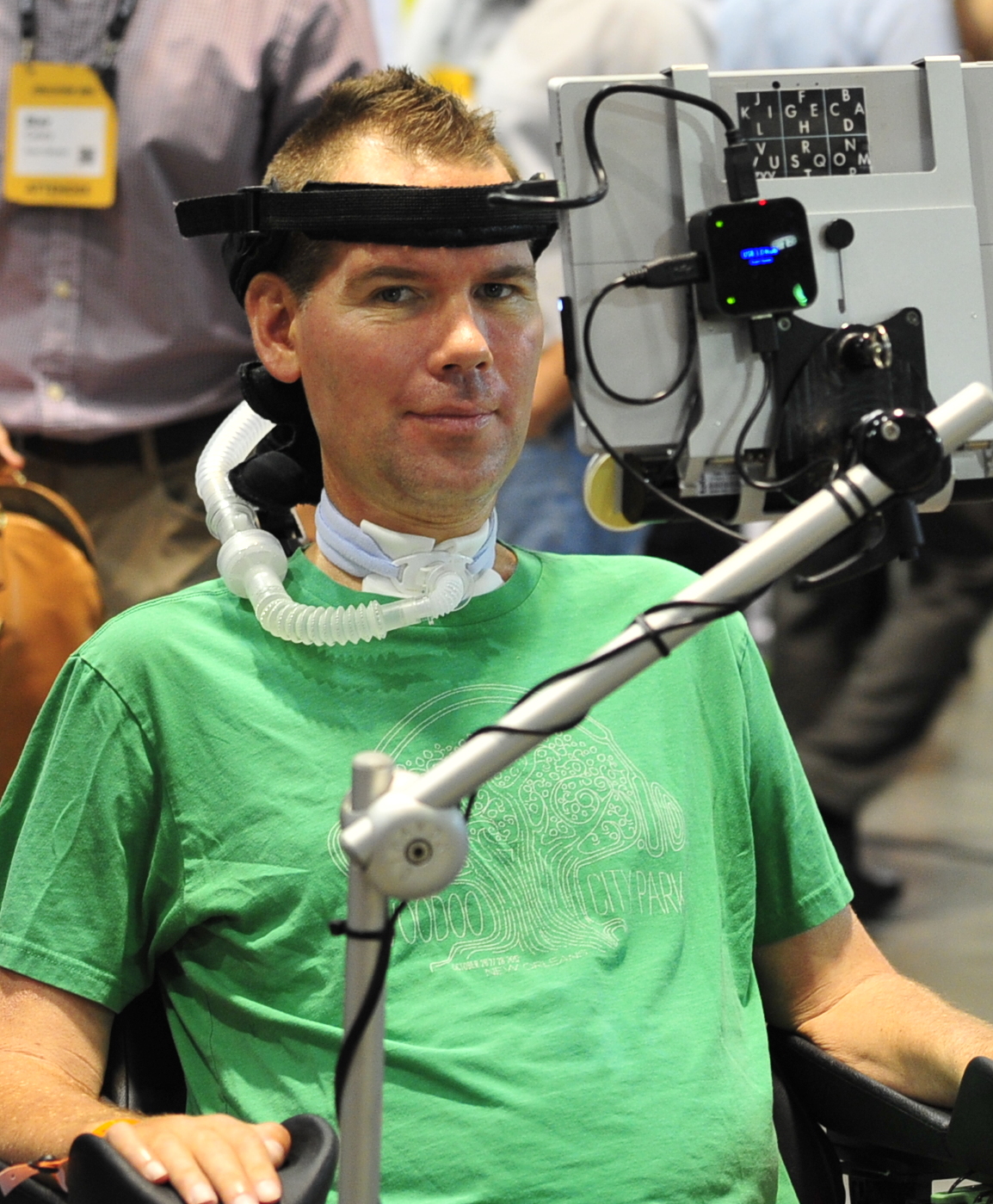
Out of that diagnosis came Team Gleason, the nonprofit foundation Gleason built with his family to help people living with ALS live as fully as possible. The organization provides life-changing assistive technology — including eye-tracking communication devices and speech-generating systems that allow people who have lost their voices to speak and connect — and has fought to expand access through measures such as the Steve Gleason Act, which helped secure Medicare coverage for speech-generating devices.
Gleason himself has become a living demonstration of what that technology makes possible. As the disease progressed and he lost the ability to speak and breathe on his own, he began communicating by typing with his eyes, and he now relies on a ventilator to stay alive. The acclaimed 2016 documentary "Gleason" captured this journey in unflinching detail, while his 2024 memoir, "A Life Impossible," offered a candid account of finding peace and purpose within a fragile body.
A Trail of Honors: From the Congressional Gold Medal to the Saints Hall of Fame
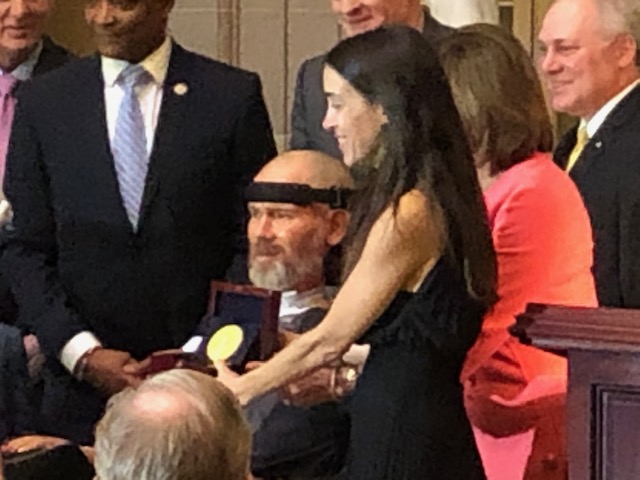
Gleason's courage has been recognized at the highest levels of American life. In 2019, he was awarded the Congressional Gold Medal — the highest civilian honor Congress can bestow — for his contributions to ALS awareness and advocacy, and he accepted the medal at a Washington ceremony. In July 2024, he received the Arthur Ashe Courage Award at the ESPYS, delivering an inspirational speech that celebrated the community fighting alongside him.
Then, in June 2025, the Saints announced they would honor Gleason with the inaugural Saints Hall of Fame Courage Award, citing his "unwavering strength." He formally accepted the recognition during a luncheon on Friday, December 12, 2025, describing the honor as "a ridiculously unbelievable honor" and standing alongside the franchise legends he once shared a locker room with.
Where Steve Gleason Stands Today
More than a decade into his ALS journey, Gleason remains remarkably active. In his recent conversation with Robin Roberts, he revisited the blocked punt and reflected on how the disease, rather than isolating him, has deepened his connections with former teammates, fellow ALS patients and a city that has never stopped cheering for him. His Instagram bio distills the philosophy in a single line: "Dad. Husband. Inspiring all people to live purposefully, despite tragedy. I type with my eyes."
Through Team Gleason, Gleason continues to raise awareness, fund research and push for technology that gives ALS patients more time and more voice. His blocked punt lasted only a few seconds, but the message he has carried for nearly two decades — refuse to surrender — is the one that endures.
The Road Ahead for Gleason and Team Gleason
There is still no cure for ALS, but the momentum around research, assistive technology and patient advocacy that Gleason helped ignite continues to build. Team Gleason has become one of the most visible forces in the ALS community, and Gleason's willingness to share his life openly — through film, memoir and interviews — keeps the fight in the public eye.
As the 20th anniversary of the Rebirth approaches, Gleason's story has come full circle: the player who gave a grieving city a reason to cheer is now giving millions of people living with ALS a reason to hope.
The Bottom Line: Steve Gleason's Story in Brief
- Steve Gleason played defensive back and special teams for the New Orleans Saints from 2000 to 2007.
- On September 25, 2006, his blocked punt symbolized New Orleans' rebirth after Hurricane Katrina.
- He was diagnosed with ALS (Lou Gehrig's disease) in January 2011 at age 34.
- He founded Team Gleason, adopted the "No White Flags" motto and champions assistive technology and ALS research.
- He has received the Congressional Gold Medal (2019), the Arthur Ashe Courage Award (2024) and the inaugural Saints Hall of Fame Courage Award (December 2025).
- He recently opened up to Robin Roberts about his ALS fight and the iconic blocked punt.

.jpg?ref=cdn.posts.market)
