
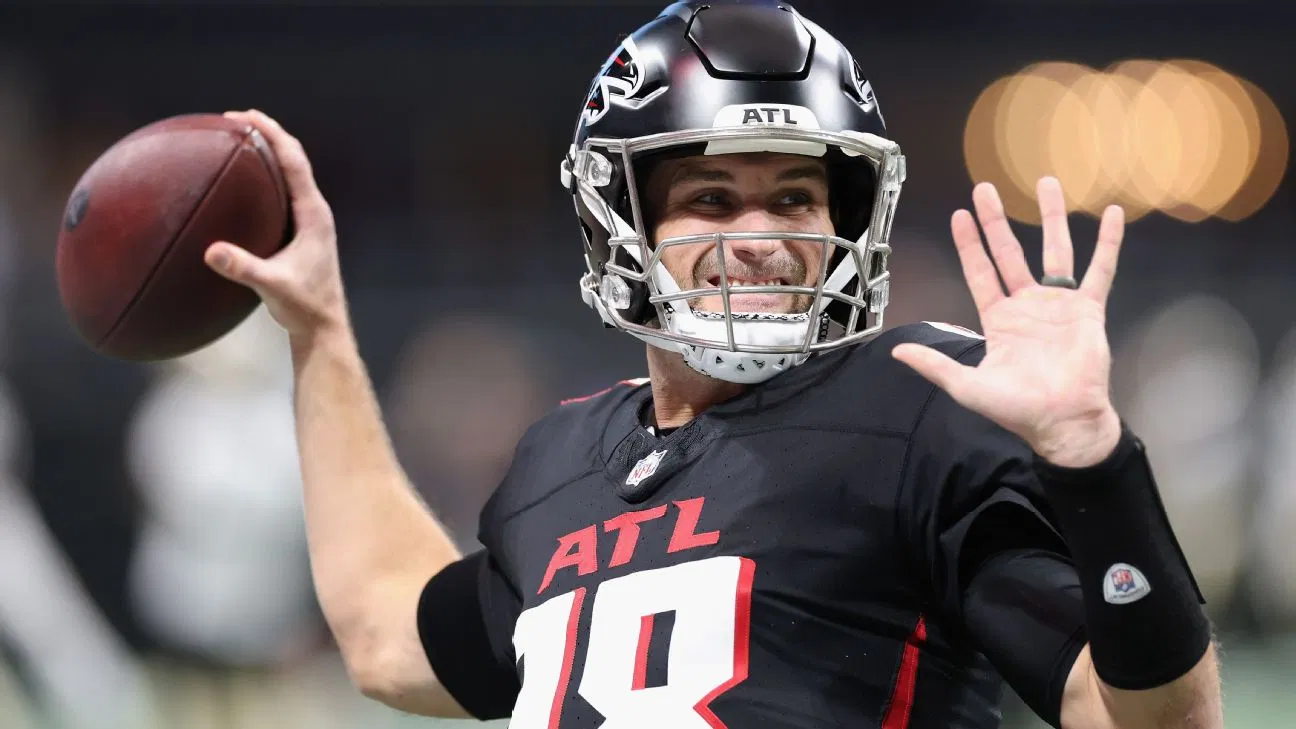
In a move that showcases the creative possibilities of NFL contract negotiations, veteran quarterback Kirk Cousins has agreed to sign with the Las Vegas Raiders on a deal that doubles his 2026 earnings to $20 million fully guaranteed while leaving his former team, the Atlanta Falcons, responsible for the majority of his salary. The contract, announced on April 2, 2026, is structured as a five-year, $172 million agreement that functions effectively as a one-year, $20 million pact with options and void years that could reshape how teams and players approach offset language in future negotiations.
How the Raiders and Cousins Engineered a $20 Million Payday
At its core, Kirk Cousins' new deal with the Raiders is a financial masterpiece that maximizes value for both player and team. According to NFL Network's Tom Pelissero, Cousins will earn $20 million fully guaranteed for the 2026 season – double the $10 million guarantee he had remaining from the Falcons. The structure is ingenious: the Raiders pay only a $1.3 million veteran minimum base salary, while Atlanta remains on the hook for $8.7 million of Cousins' 2026 money due to offset language in his previous contract. Las Vegas then adds a fully guaranteed $10 million roster bonus payable on the third day of the 2027 league year, which is not subject to offsets.
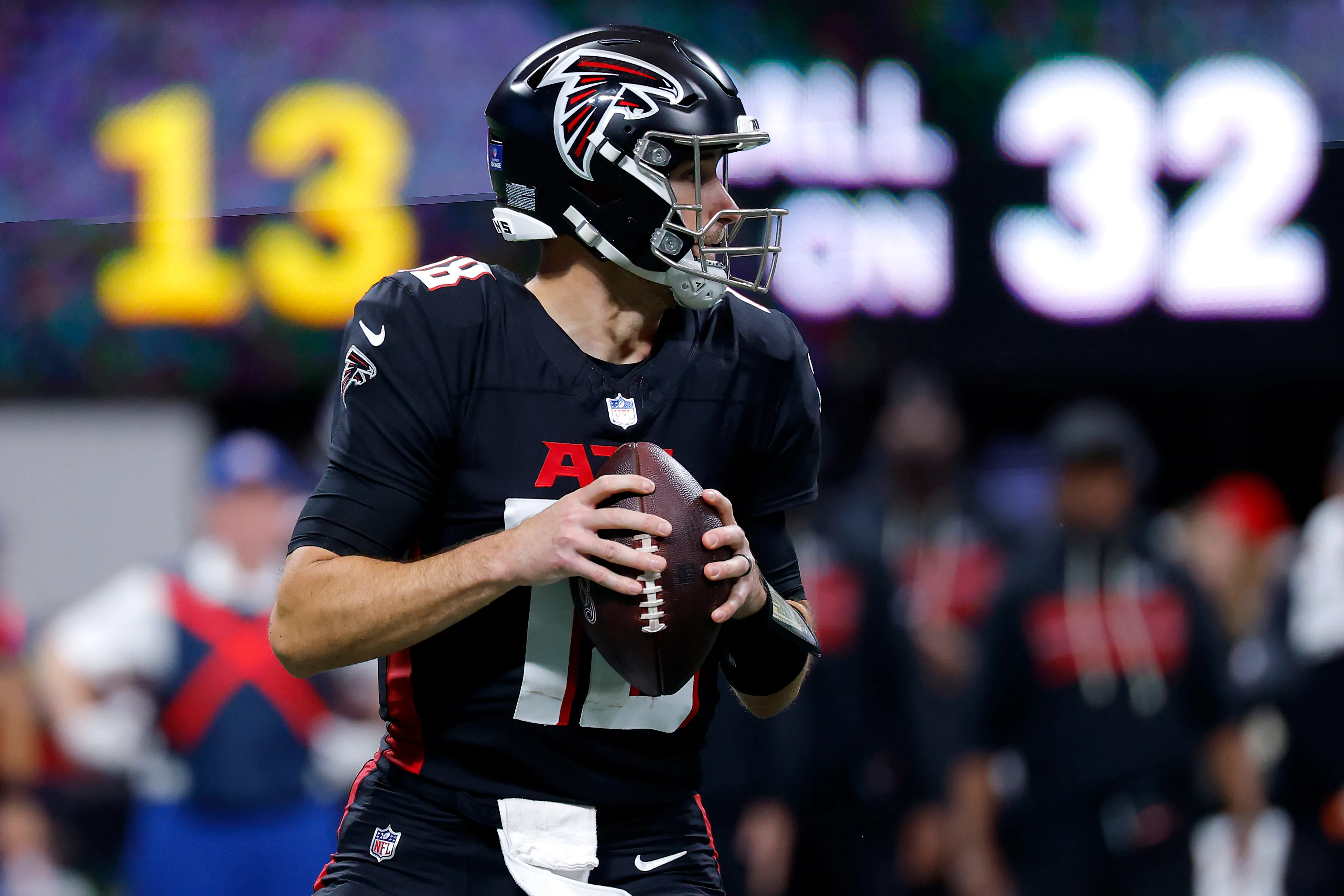
"On paper, it's a three-year, $81.3M deal (or five for $172M with the void years). In reality, it's one-year, $20 million for Kirk Cousins, who now will have played under fully guaranteed contracts for 11 consecutive seasons," Pelissero reported. The Raiders hold a two-year, $80 million option for 2027-28 that's considered unlikely to be exercised, and the contract includes void years in 2029-30 for salary cap management. This arrangement gives Las Vegas maximum flexibility while ensuring Cousins receives top-dollar compensation for what may be his final season as a starter.
From Falcons Release to Raiders Deal: The Timeline
The path to this innovative contract began when the Atlanta Falcons released Cousins after just two seasons of a four-year, $180 million deal. Despite the massive investment, Atlanta moved on to sign former Dolphins quarterback Tua Tagovailoa, leaving Cousins as a free agent in a market where several teams viewed him primarily as a backup option. According to The Athletic's Dianna Russini, the Arizona Cardinals, Los Angeles Rams, and Green Bay Packers all considered Cousins in that capacity.
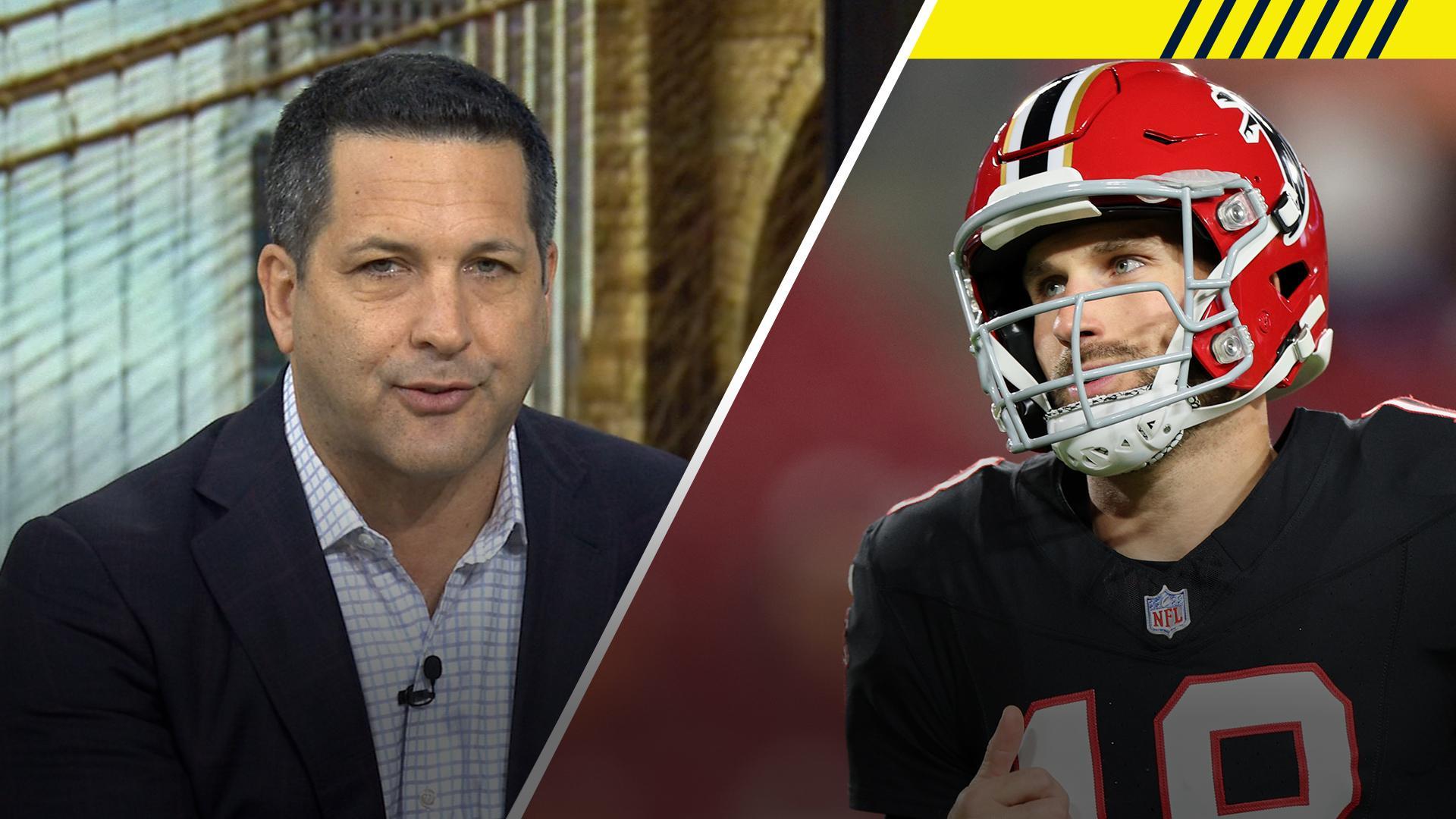
"The Raiders were engaged with Kirk Cousins since Atlanta released him," Pelissero explained. "But Cousins could've made $10 million to sit on the couch and wasn't going to play for free. The sides found a creative way to double his pay for 2026 while maximizing flexibility for both sides." The timeline accelerated in early April 2026, with Cousins' agent Mike McCartney announcing the agreement on April 2. The deal came together just weeks before the NFL Draft, where the Raiders are expected to select quarterback Fernando Mendoza with the first overall pick.
Why This Contract Could Change NFL Deal-Making Forever
What makes Cousins' Raiders contract truly significant isn't just the money – it's the precedent it sets for navigating NFL offset language. Sports Illustrated's Albert Breer called the structure "a really smart way to work around the offset, get the player more money and force his old team to pick up a big part of freight. And a way, in the future, for teams and players to work around offsets."
Breer noted that similar situations involving Tua Tagovailoa and Kyler Murray didn't take advantage of this kind of structure. "Didn't happen with Tua and Kyler. Probably would've if this happened first," he added. The contract essentially creates a blueprint for veteran players with remaining guarantees from previous teams to maximize their earnings while giving new teams financial flexibility. NFL owners may now look to close this loophole in future collective bargaining agreements, but for now, it represents a win for player empowerment in contract negotiations.
The financial implications extend beyond Cousins' bank account. His career earnings now surpass $321.6 million, moving him into third place on the NFL's all-time earnings list behind only Tom Brady ($332 million) and Aaron Rodgers. For a quarterback who began his career as a fourth-round pick, Cousins has consistently maximized his value through fully guaranteed contracts, setting new standards for veteran quarterback compensation.
Where the Raiders and Falcons Stand Now
For the Raiders, Cousins represents both an insurance policy and a potential mentor for their expected rookie quarterback Fernando Mendoza. The veteran gives Las Vegas a reliable starter who can compete immediately while allowing Mendoza time to develop – a strategy that has proven successful for teams transitioning to young quarterbacks. Cousins' experience in similar situations with the Minnesota Vikings and Atlanta Falcons makes him ideally suited for this role.
Meanwhile, the Falcons gain $1.3 million in salary cap relief against the $10 million roster bonus they owed Cousins, essentially covering Tagovailoa's $1.3 million salary for 2026. According to The Falcoholic, Atlanta will still carry $12.5 million in dead money from Cousins' contract in 2027, but the immediate cap savings provide some financial breathing room. The Falcons now move forward with Tagovailoa and Michael Penix Jr. as they attempt to rebuild their quarterback room after the Cousins era produced just one playoff appearance in two seasons.
What Happens Next for Cousins, Raiders and the NFL
The immediate future will see Cousins join Raiders offseason activities as the expected starter, with his performance determining whether Las Vegas exercises the two-year, $80 million option for 2027-28. Given his age (he'll be 38 at the start of the 2026 season) and the Raiders' investment in a rookie quarterback, the option appears unlikely unless Cousins delivers exceptional play and the rookie needs more development time.
On a league-wide level, NFL owners will undoubtedly examine this contract structure during offseason meetings. The loophole that allowed Cousins to double his earnings while his former team footed most of the bill could prompt discussions about modifying offset language in future collective bargaining agreements. However, until any changes are made, agents and teams will likely replicate this model for veteran players with remaining guarantees.
For Cousins, this contract continues his remarkable financial legacy in the NFL. From his groundbreaking fully guaranteed franchise tags in Washington to his record-setting deals in Minnesota and Atlanta, he has consistently pushed the boundaries of quarterback compensation. The Raiders deal may represent his final major contract, but its innovative structure ensures his impact on NFL economics will be felt long after he retires.
Key Takeaways from the Kirk Cousins Contract Saga
The Kirk Cousins-Raiders agreement represents more than just another NFL free agent signing. It's a case study in creative contract construction that benefits both player and team while exploiting existing league rules. The deal doubles Cousins' 2026 earnings to $20 million fully guaranteed while costing the Raiders just $11.3 million in actual cash outlay for the season. It provides Las Vegas with quarterback stability as they develop their future franchise player, and it gives Atlanta modest cap relief as they move forward with their new quarterback room.
Perhaps most importantly, the contract establishes a new template for maximizing veteran player value in an era of complex salary cap management. As Albert Breer noted, this innovative approach to offset language could become standard practice for teams and players in similar situations. For now, Kirk Cousins once again proves why he's considered one of the smartest businessmen in professional sports, securing his financial future while continuing his NFL career on his own terms.