
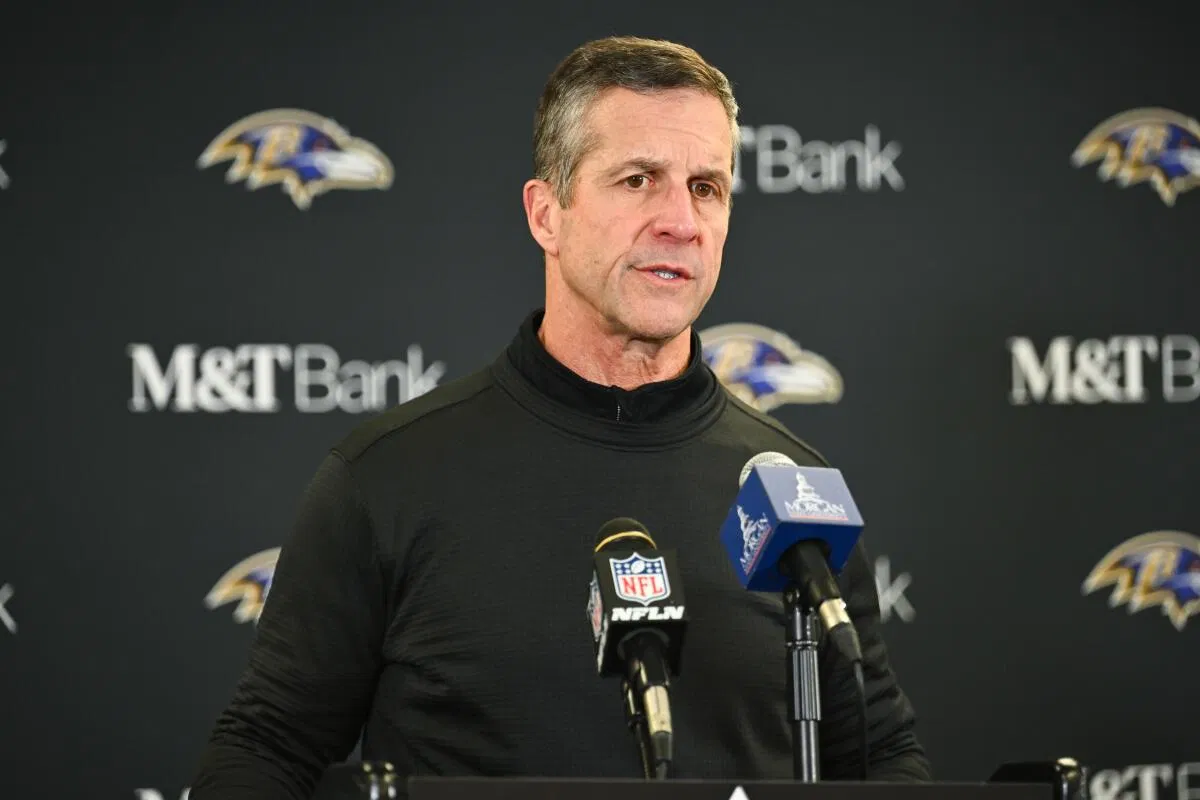
The Baltimore Ravens have made a seismic move that shakes the foundation of the NFL coaching landscape, firing head coach John Harbaugh after 18 seasons that included a Super Bowl championship and established him as the winningest coach in franchise history. The decision, announced on January 6, 2026, ends one of the longest and most successful coaching tenures in modern NFL history and comes just two days after a heartbreaking loss to the Pittsburgh Steelers that eliminated Baltimore from playoff contention.
How the Harbaugh Era Came to a Sudden End
In a move that surprised many around the league despite swirling speculation, Ravens owner Steve Bisciotti informed Harbaugh on Tuesday that he was being relieved of his duties. "Following a comprehensive evaluation of the season and the overall direction of our organization, I decided to make a change at head coach," Bisciotti said in a statement. "This was an incredibly difficult decision, given the tremendous 18 years we have spent together and the profound respect I have for John as a coach and, most importantly, as a great man of integrity."
The 63-year-old Harbaugh responded with grace and appreciation in his own statement: "Well, I was hoping for a different kind of message on my last day here, someday, but that day has come today. It comes with disappointment certainly, but more with GRATITUDE & APPRECIATION." According to sources close to the situation, Harbaugh was "at peace" with the decision and believed it was "best for all parties."
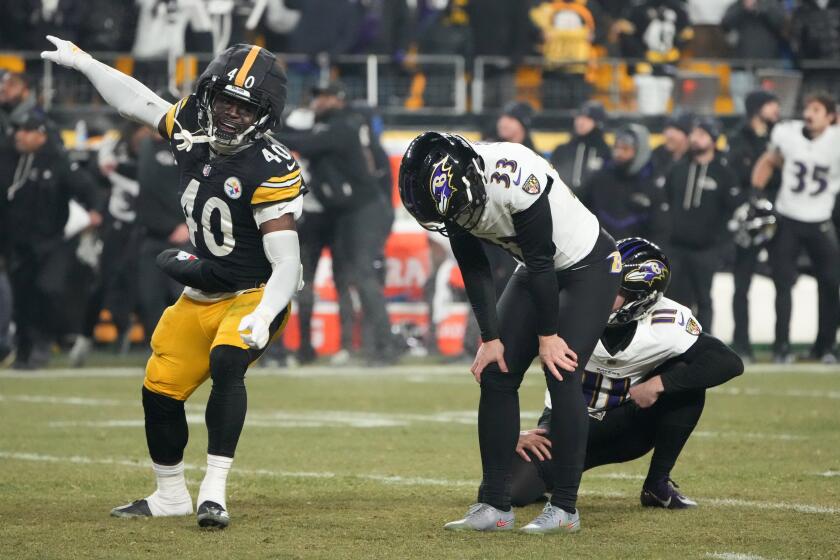
Timeline: The Missed Field Goal That Sealed Harbaugh's Fate
The final chapter of Harbaugh's Ravens career was written in dramatic fashion during a thrilling Week 18 matchup against division rival Pittsburgh. With playoff implications on the line, the Ravens and Steelers exchanged leads four times in the final nine minutes. Down 26-24 with seconds remaining, quarterback Lamar Jackson led a desperate drive that set up rookie kicker Tyler Loop for a 44-yard game-winning attempt.
As the kick sailed wide right, Pittsburgh's celebration began while Ravens players sank to the turf. That missed field goal not only ended Baltimore's season with an 8-9 record but also snapped a two-year streak of division titles and marked the first time since 2021 that the team missed the postseason. For an organization with championship expectations, the disappointment proved too much to overlook.
Why the Ravens Made This Monumental Decision
While the immediate trigger was the season-ending loss, multiple factors contributed to Harbaugh's dismissal. The Ravens had become synonymous with late-game collapses under his leadership, having blown 46 fourth-quarter leads since 2008—tied for second-most in the NFL during that span. Despite 11 double-digit-win seasons, the team hadn't won a Super Bowl since the 2012 season and had fallen short of the AFC Championship Game in all but one year since.
The relationship between Harbaugh and franchise quarterback Lamar Jackson had also shown signs of strain. Jackson's lack of participation in voluntary spring workouts and his routine of sitting out one practice per week this season created friction with the coaching staff. With Jackson's contract situation needing resolution—his salary cap figure jumps to $74.5 million this offseason—ownership may have believed a new voice could better connect with the two-time MVP.
Fan discontent played a role as well. Baltimore recorded its worst home record in team history at 3-6 this season, with more empty seats at M&T Bank Stadium than ever before. Harbaugh was booed coming off the field after the Ravens surrendered 44 points in a blowout loss to Houston in October.
Where Things Stand Now: The Coaching Carousel Heats Up
The Ravens now join six other teams with head coaching vacancies: Atlanta Falcons, Cleveland Browns, Arizona Cardinals, Las Vegas Raiders, New York Giants, and Tennessee Titans. Baltimore's opening immediately becomes the most attractive on the market, featuring a franchise quarterback in his prime and a history of organizational stability.
Potential candidates mentioned include former Washington Commanders offensive coordinator Kliff Kingsbury (who has experience with mobile quarterbacks), Denver Broncos defensive coordinator Vance Joseph, Minnesota Vikings defensive coordinator Brian Flores, and Los Angeles Chargers defensive coordinator Jesse Minter, who has ties to former Ravens defensive coordinator Mike Macdonald.
For Harbaugh, the future appears bright. ESPN's Adam Schefter reported that Harbaugh's agent received calls from seven different teams within 45 minutes of the firing being announced. "If he wants one, yes," ESPN's Dan Graziano said about Harbaugh getting another head coaching job immediately. "The six other teams with head coach openings had been surveying a field of candidates that most people around the league seem to think isn't as promising as it has been in years past, and Harbaugh's résumé is vastly superior to that of anyone else available."
What Happens Next for the Ravens and Harbaugh
The Ravens will conduct their first head coaching search since 2008, when they hired Harbaugh as a relatively unknown special teams coordinator. General manager Eric DeCosta will lead the process alongside Bisciotti, looking for someone who can maximize Jackson's talents while maintaining the culture of excellence Harbaugh established.
Harbaugh, meanwhile, could follow the path of his mentor Andy Reid, who found even greater success with the Kansas City Chiefs after being fired by the Philadelphia Eagles. At 63, Harbaugh remains one of the most respected coaches in football, with a career regular-season record of 180-113 (.614 winning percentage) and 13-11 in the postseason.
His legacy in Baltimore is secure: a Super Bowl championship, six AFC North titles, 12 playoff appearances, four AFC Championship Game berths, and the development of countless players who became stars under his guidance. As one chapter closes in Baltimore, another likely begins elsewhere for a coach whose Hall of Fame credentials were cemented long before his final day with the Ravens.