
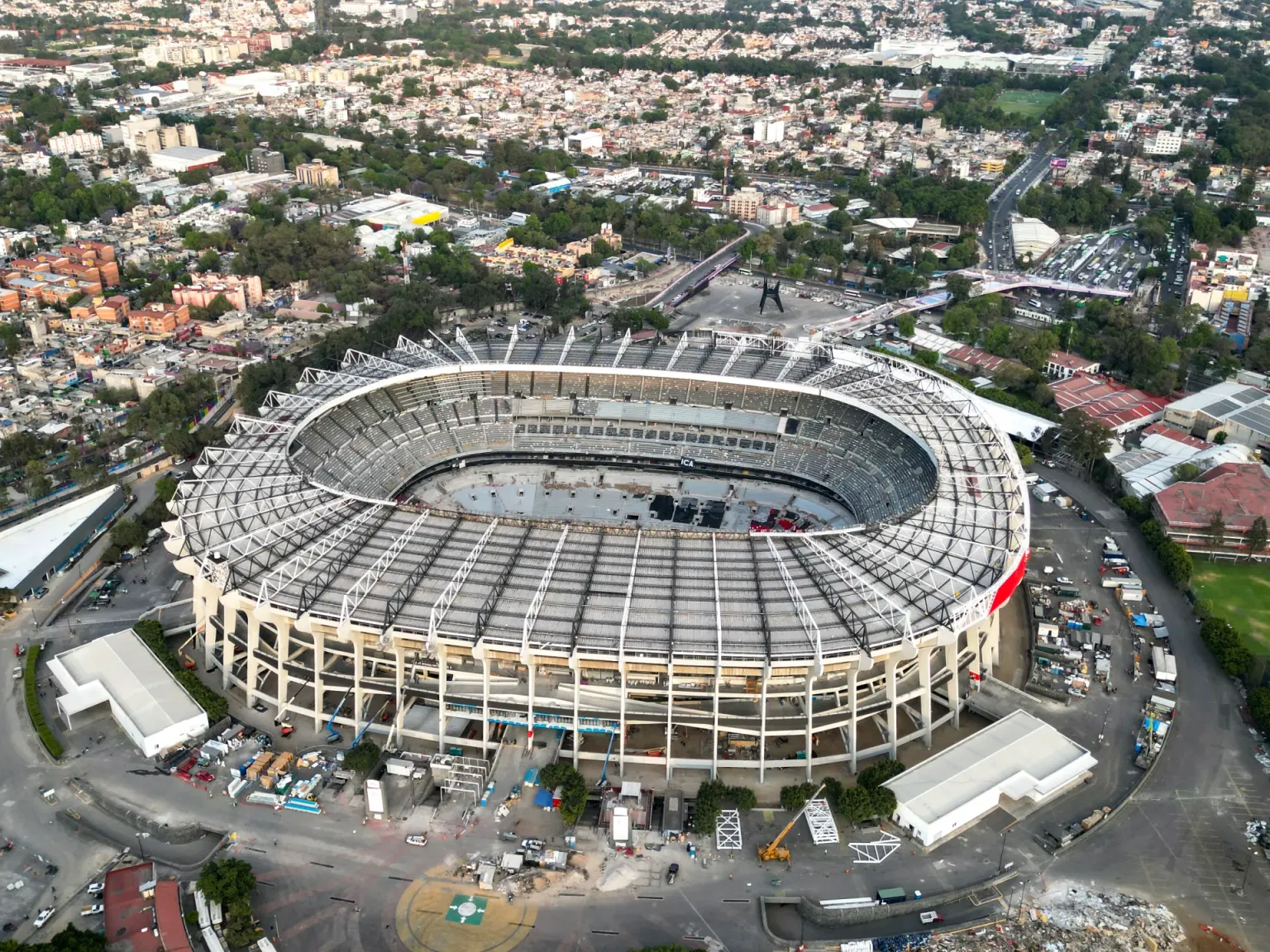
The 2026 FIFA World Cup is here, and it's unlike anything the tournament has ever seen. For the first time in the competition's 96-year history, 48 nations will battle for football's ultimate prize across three host countries — the United States, Canada, and Mexico — in what promises to be the most expansive and ambitious World Cup ever staged. With 104 matches spread across 16 venues, the tournament kicked off on June 11 at Mexico City's iconic Estadio Azteca and will culminate with the final at MetLife Stadium in East Rutherford, New Jersey on July 19.
How the Expanded 48-Team Format Works
The biggest change heading into this World Cup is the expansion from 32 to 48 teams, adding 16 more nations and 40 additional matches compared to the 2022 tournament in Qatar. The 48 qualified teams have been drawn into 12 groups of four, replacing the traditional eight groups of four. The top two teams from each group automatically advance to the knockout stage, joined by the eight best third-placed sides — creating a Round of 32 before the tournament narrows to a Round of 16, quarterfinals, semifinals, and final. This expanded format means more nations get to experience the world's biggest sporting event, with debutants and underdogs rubbing shoulders with established powerhouses.
Three Historic Opening Ceremonies Across North America
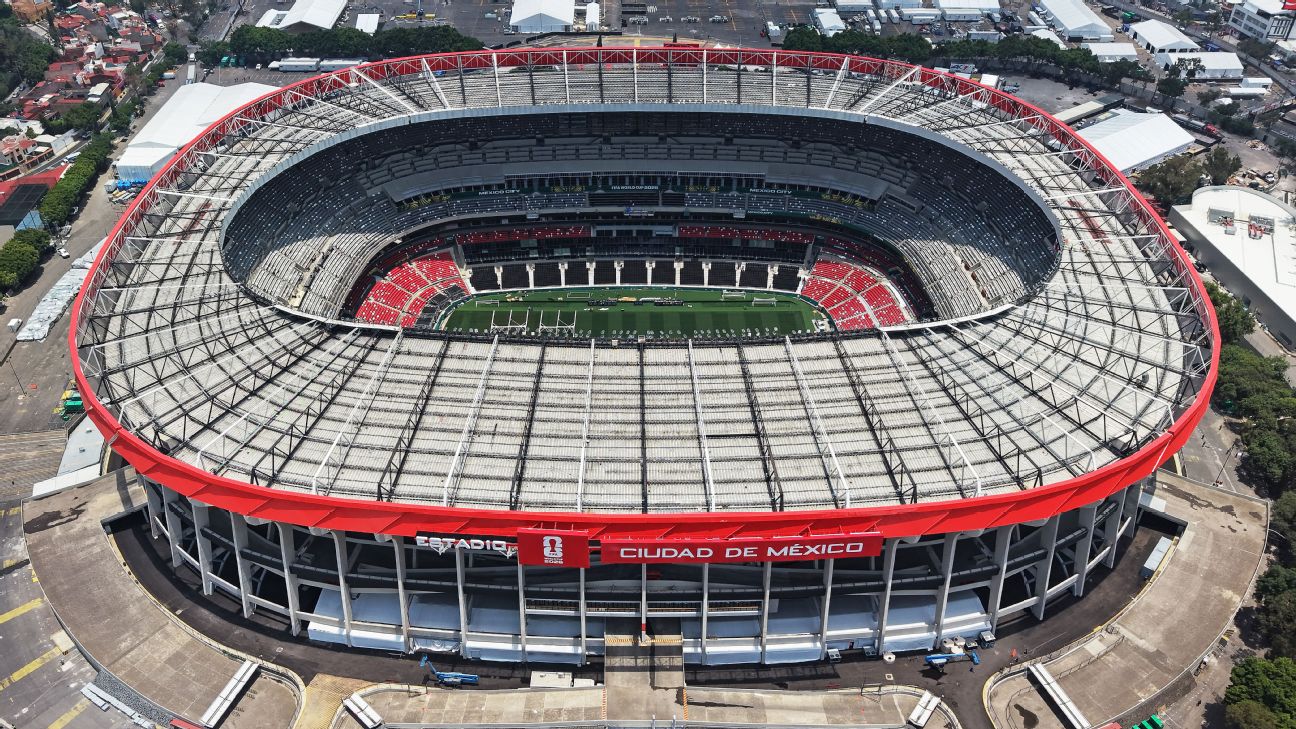
In a first for the World Cup, this edition features three separate opening ceremonies — one in each host country. The main ceremony took place at Estadio Azteca in Mexico City on June 11 at 1:30 p.m. ET, ahead of the opening match between Mexico and South Africa. Global music superstars Shakira, Tyla, and J Balvin headlined the festivities, delivering a show that celebrated North American culture and the unifying power of football. Additional ceremonies in the United States and Canada welcomed the tournament to those nations as matches got underway across the continent over the following days.
Timeline: From Opening to Final
The tournament's schedule is the most complex in World Cup history, spread across four time zones. Mexico opened the festivities on June 11 with their group-stage match against South Africa at the legendary Estadio Azteca — a venue that now holds the distinction of being the first stadium to host World Cup matches in three different editions (1970, 1986, and 2026). The US Men's National Team kicked off their campaign on June 12 in Los Angeles. Group stage matches run through late June, followed by the Round of 32 in early July. The knockout rounds intensify through the month, with the semifinals scheduled for mid-July and the final on Sunday, July 19 at 3:00 p.m. ET at MetLife Stadium in East Rutherford, New Jersey.
The 16 Venues Stretching Across a Continent
The United States hosts the majority of matches across 11 venues: Dallas Stadium in Arlington, Texas (capacity 94,000), NY/NJ Stadium at the Meadowlands (82,500), Atlanta Stadium (75,000), Kansas City Stadium (73,000), Houston Stadium (72,000), San Francisco Bay Area Stadium in Santa Clara (71,000), Los Angeles Stadium in Inglewood (70,000), Philadelphia Stadium (69,000), Seattle Stadium (69,000), Boston Stadium in Foxborough (65,000), and Miami Stadium in Miami Gardens (65,000). Canada contributes two venues — Toronto Stadium (45,000) and BC Place in Vancouver (54,000). Mexico's three stadiums include the iconic Estadio Azteca in Mexico City (83,000), Estadio Monterrey in Guadalupe (53,500), and Estadio Guadalajara in Zapopan (48,000).
Prize Money, Match Ball, and What's at Stake
FIFA confirmed a record prize fund for this edition, up 50% from 2022. The winning nation will take home $50 million, with runners-up receiving $33 million. Third place earns $29 million, and fourth place $27 million. Every participating team is guaranteed at least $10.5 million, including $1.5 million for preparation costs. The official match ball, manufactured by Adidas and named the "Trionda" — Spanish for "three waves" — features a red, green, and blue color scheme representing the three host nations. The ball incorporates connected ball technology that relays data to VAR officials, with artificial intelligence assisting in decision-making.
Where Things Stand Now: The Tournament Is Underway
As of June 11, the 2026 World Cup is officially live. Mexico opened the tournament on home soil at Estadio Azteca in front of a capacity crowd, becoming the first host nation to play the opening match since 2018. Across the border, cities from Vancouver to Miami are hosting fans from 48 nations, with group-stage matches running daily. The expanded format means more games, more drama, and more opportunities for Cinderella stories. Early group-stage matches have already delivered surprises, with several lower-ranked teams proving competitive against traditional powerhouses.
What Happens Next: The Road to the Final
With 104 matches to be played over a packed 39-day schedule, the 2026 World Cup will test the depth and stamina of every squad like never before. The group stage continues through late June, after which the new Round of 32 knockout phase begins. All eyes are on the final on July 19 at MetLife Stadium, where one nation will etch its name into history by conquering the largest, most complex World Cup ever staged. Given the expanded format and the continental spread of matches, experts predict this tournament could produce the most unpredictable knockout bracket in World Cup history.
Key Takeaways: Everything You Need to Know
- Dates: June 11 — July 19, 2026
- Host nations: United States, Canada, Mexico (first three-nation hosting)
- Teams: 48 (up from 32), divided into 12 groups of four
- Matches: 104 total, played across 16 venues
- Opening match: Mexico vs South Africa at Estadio Azteca, June 11
- Final: July 19 at MetLife Stadium, East Rutherford, New Jersey
- Format: Top 2 from each group + 8 best third-placed teams advance to Round of 32
- Prize money: Winners receive $50 million; record prize fund up 50%
- Match ball: Adidas Trionda with AI-powered connected ball technology
- Opening ceremonies: Shakira, Tyla, and J Balvin headlined across three host nations