
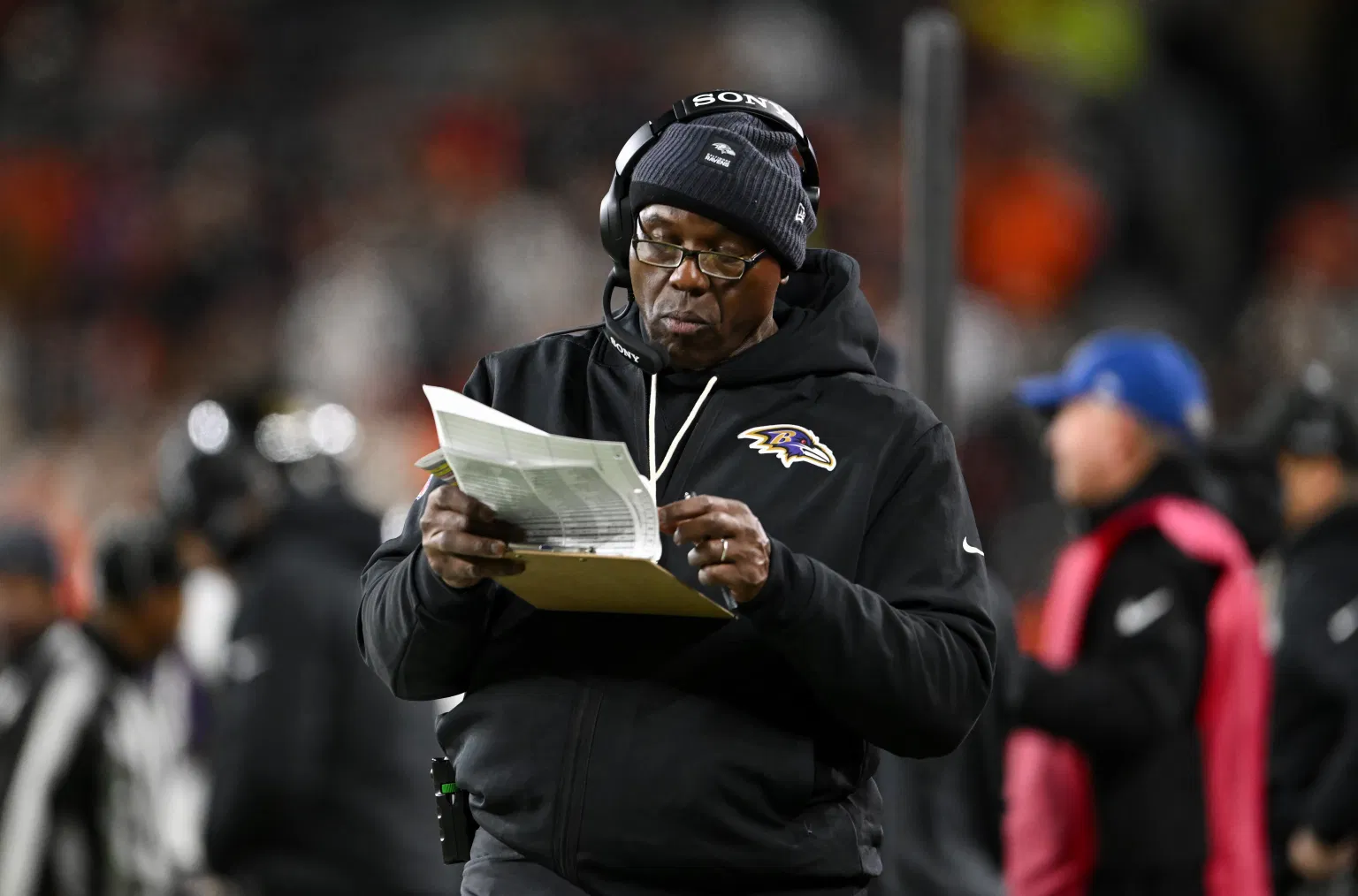
The Cleveland Browns’ prolonged coaching search reached a dramatic conclusion Wednesday as the team hired former Baltimore Ravens offensive coordinator Todd Monken as their new head coach, but the move has immediately sparked internal turmoil with defensive coordinator Jim Schwartz expected to depart and special teams coordinator Bubba Ventrone also likely on his way out. The hiring ends a 23-day search that began after Kevin Stefanski’s firing on January 5 and saw multiple high-profile candidates either withdraw or refuse interviews, leaving the Browns with limited options in a process that has exposed deep organizational challenges.
How the Browns' Coaching Search Ended in Surprise and Chaos
Todd Monken’s appointment as the 19th full-time head coach in Browns history represents both a homecoming and a surprising twist in a chaotic offseason. The 59-year-old Monken returns to Cleveland where he served as offensive coordinator in 2019 under former head coach Freddie Kitchens, giving him familiarity with the organization despite his previous criticisms of the team’s direction during that disappointing season. Monken brings over 35 years of coaching experience, including the last three seasons as Baltimore’s offensive coordinator where he helped develop one of the NFL’s most dynamic offenses around quarterback Lamar Jackson.
What makes Monken’s hiring particularly surprising is the extensive list of candidates who either pulled out of consideration or refused interviews entirely. According to multiple reports, former Dolphins head coach Mike McDaniels, Jacksonville Jaguars offensive coordinator Grant Udinski, Los Angeles Chargers defensive coordinator Jesse Minter (who eventually became the Ravens’ head coach), and Rams defensive coordinator Chris Shula all declined opportunities to interview for the position. This left the Browns’ front office with dwindling options as their search stretched into its fourth week, ultimately settling on Monken as the last viable candidate standing.
From Stefanski's Firing to Monken's Hiring: A 23-Day Saga
The timeline of events reveals just how chaotic the Browns’ coaching search became. The process began on January 5 when the team fired Kevin Stefanski after a disappointing 5-12 season, despite his two playoff appearances and Coach of the Year awards earlier in his tenure. For the next three weeks, the Browns conducted interviews with several candidates while simultaneously trying to convince defensive coordinator Jim Schwartz to remain with the organization regardless of who became head coach.
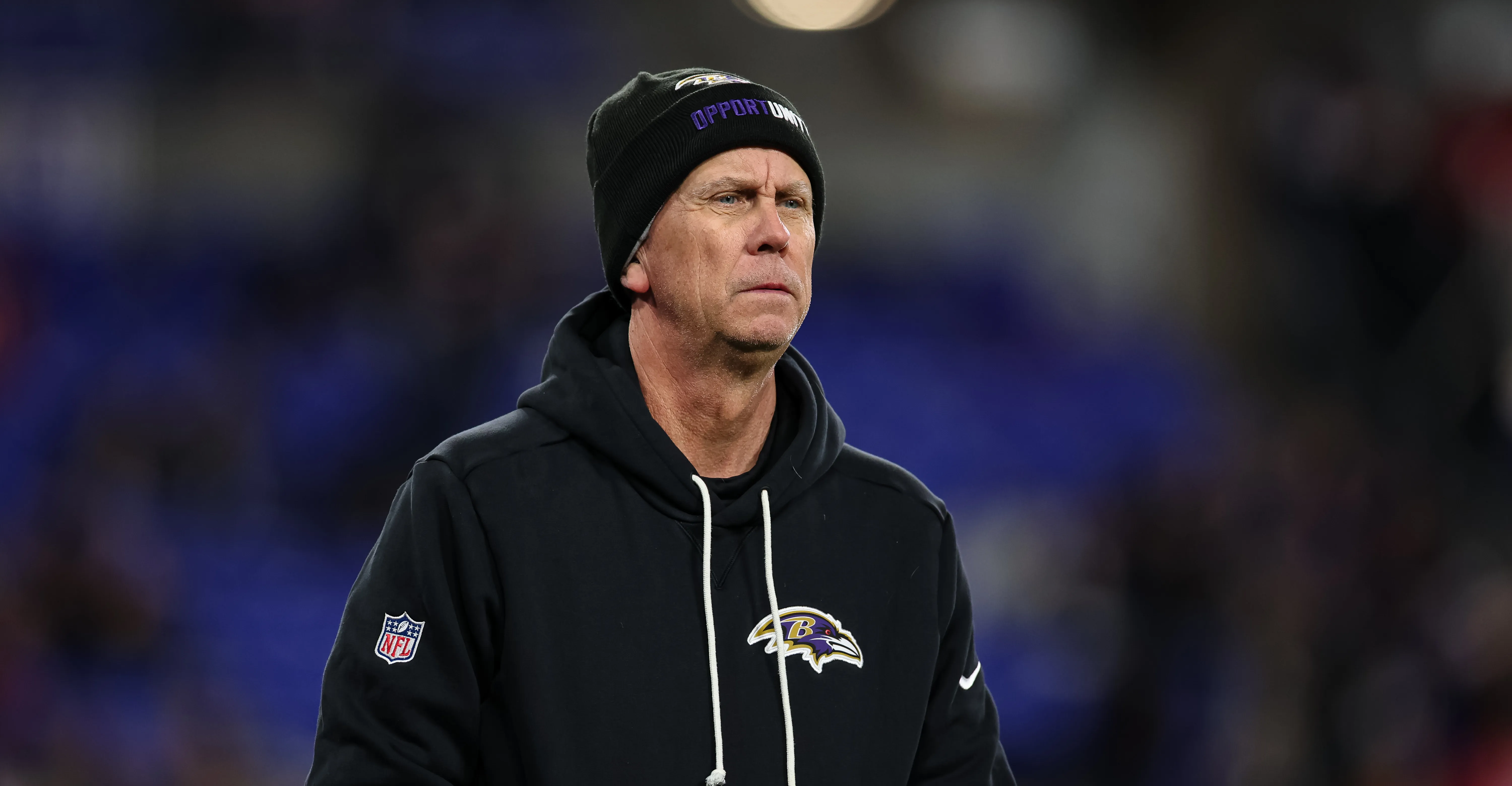
By late January, with candidates withdrawing and the search becoming increasingly difficult, the Browns began seriously considering Schwartz for the head coaching position. However, in a final twist on January 28, the team informed Schwartz they were passing him over to hire Monken instead. This decision triggered immediate fallout, with Schwartz reportedly telling those close to him that he would be leaving the organization. The defensive coordinator’s expected departure represents a significant loss for Cleveland, as Schwartz had built one of the league’s top defensive units, including leading the NFL in total defense in 2023.
Why Monken Was Chosen and What It Means for the Browns
Monken’s selection represents a calculated risk by the Browns’ front office, prioritizing offensive expertise over defensive continuity. With quarterback Deshaun Watson entering the final year of his fully guaranteed $230 million contract and the team lacking a viable long-term solution at the position, Cleveland’s decision-makers apparently believed Monken’s offensive background gave him the best chance to salvage the Watson era. Monken’s recent success with Lamar Jackson in Baltimore and his previous work with talented quarterbacks throughout his career made him an attractive option for a franchise desperate to maximize their investment in Watson.
However, the move comes with immediate consequences beyond just Schwartz’s expected departure. Special teams coordinator Bubba Ventrone, regarded as one of the NFL’s best at his position, is also not expected to remain on Monken’s staff. The Los Angeles Rams have already requested permission to interview Ventrone for their special teams coordinator opening, and sources indicate he’s unlikely to return to Cleveland for the 2026 season. This means Monken could be forced to replace all three coordinators—offensive, defensive, and special teams—before even beginning to address the team’s roster challenges.
Where Things Stand: Schwartz's Exit, Ventrone's Future, and First Staff Hire
As of Wednesday evening, the immediate fallout from Monken’s hiring continues to unfold. Jim Schwartz has informed associates he will not return as defensive coordinator, creating a major vacancy on the coaching staff. While the Browns reportedly wanted to retain Schwartz in his current role, the defensive coordinator’s pride and desire for a head coaching opportunity elsewhere make his departure almost certain. Meanwhile, Bubba Ventrone appears headed to Los Angeles or another destination, leaving Monken with another critical position to fill.
On the positive side, Monken has already made his first staff hire, bringing former Ravens offensive line coach George Warhop to Cleveland for the same position. Warhop brings 29 years of NFL coaching experience and previously worked for the Browns from 2009 to 2013 under head coaches Eric Mangini, Pat Shurmur, and Rob Chudzinski. His familiarity with both Monken and the organization should provide some stability during the transition, but the offensive line represents just one of many areas needing attention. The Browns face significant decisions with four starting offensive linemen—Joel Bitonio, Ethan Pocic, Wyatt Teller, and Jack Conklin—all becoming free agents this offseason.
The Road Ahead: Monken's Uphill Battle to Build a Staff
Monken faces an unprecedented challenge for a new head coach: potentially needing to hire three new coordinators while also addressing a roster with significant salary cap constraints and quarterback uncertainty. The timing of his hiring puts him at a disadvantage, as many of the most qualified coordinator candidates have already found positions elsewhere in the league. This could force Monken to either promote from within or take chances on less experienced coaches, neither of which is ideal for a franchise needing immediate improvement.
Additionally, the Browns must navigate Deshaun Watson’s contract situation, with the quarterback due $46 million in 2026 and no clear succession plan in place. The team lacks a first-round draft pick this year and has limited cap flexibility, meaning Monken will need to maximize the existing roster while developing creative solutions on both sides of the ball. The new head coach’s ability to attract quality assistants despite the organizational turmoil will be his first major test, and early indications suggest it won’t be an easy task.
Key Takeaways from the Browns' Coaching Shakeup
The Browns’ hiring of Todd Monken represents both an opportunity and a significant risk for a franchise that has struggled to find stability. Monken’s offensive expertise could help revive Deshaun Watson’s career, but the immediate loss of Jim Schwartz and likely departure of Bubba Ventrone create substantial holes in the coaching staff. The chaotic search process that led to Monken’s hiring reveals deeper organizational challenges that won’t be solved simply by changing head coaches. As Monken begins his tenure in Cleveland, he faces the dual challenge of building a competent coaching staff while also addressing a roster that finished 5-12 last season, making his first offseason one of the most critical in recent Browns history.