
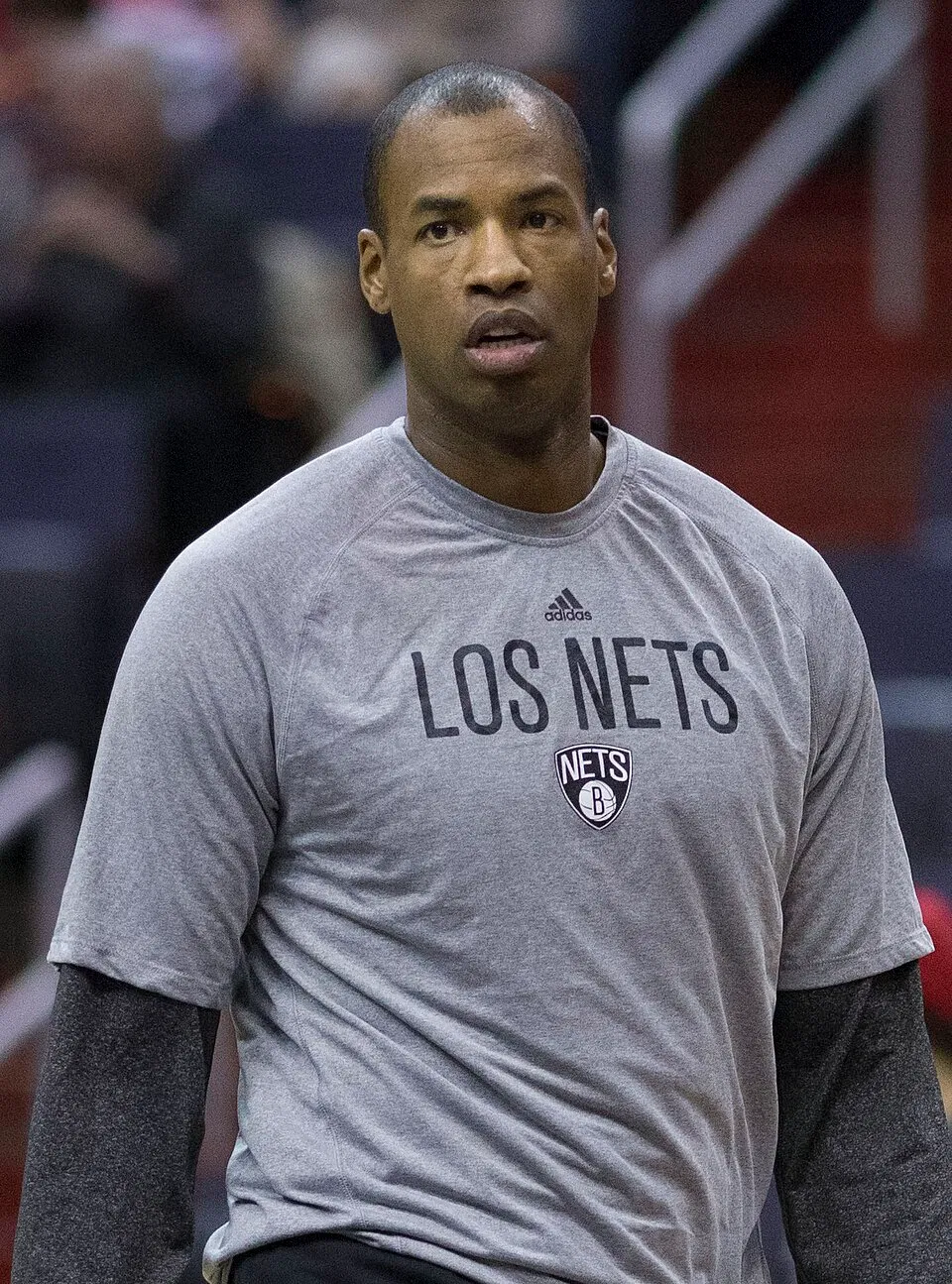
Jason Collins, the 13-year NBA center who shattered barriers as the first openly gay active player in any of America's four major professional sports leagues, has died at the age of 47 after a valiant eight-month battle with Stage 4 glioblastoma, his family confirmed Tuesday.
Collins' family announced his passing through a statement shared by the NBA, revealing that he died after a courageous fight with glioblastoma, an aggressive and incurable form of brain cancer. "Jason changed lives in unexpected ways and was an inspiration to all who knew him and to those who admired him from afar," the statement read. "We are grateful for the outpouring of love and prayers over the past eight months and for the exceptional medical care Jason received from his doctors and nurses. Our family will miss him dearly."
How Jason Collins Made History: The Story Behind the Trailblazer
In April 2013, Jason Collins changed the landscape of professional sports forever. In a landmark cover story for Sports Illustrated, he wrote three sentences that would echo across the athletic world: "I'm a 34-year-old NBA center. I'm black. And I'm gay." At a time when the country was still two years away from legalizing gay marriage, Collins' announcement sent shockwaves through professional sports.
Then-President Barack Obama personally called Collins to express his support. Steve Nash, a two-time NBA MVP, posted his "maximum respect." Across the league, players and coaches praised his courage. Collins told ABC News that day that he was at peace with his decision. "I think the country is ready for supporting an openly gay basketball player," he said. "You just try to live an honest, genuine life."
Collins' coming out was years in the making. He had been contemplating going public since 2011, carefully weighing the potential consequences for his career and personal life. "For Jason to come out in 2013, pre-marriage equality, we're talking about a hostile culture," noted PBS NewsHour in their tribute. "It's easy for us to forget what we were like as a country."
Timeline: From Stanford Star to NBA Pioneer
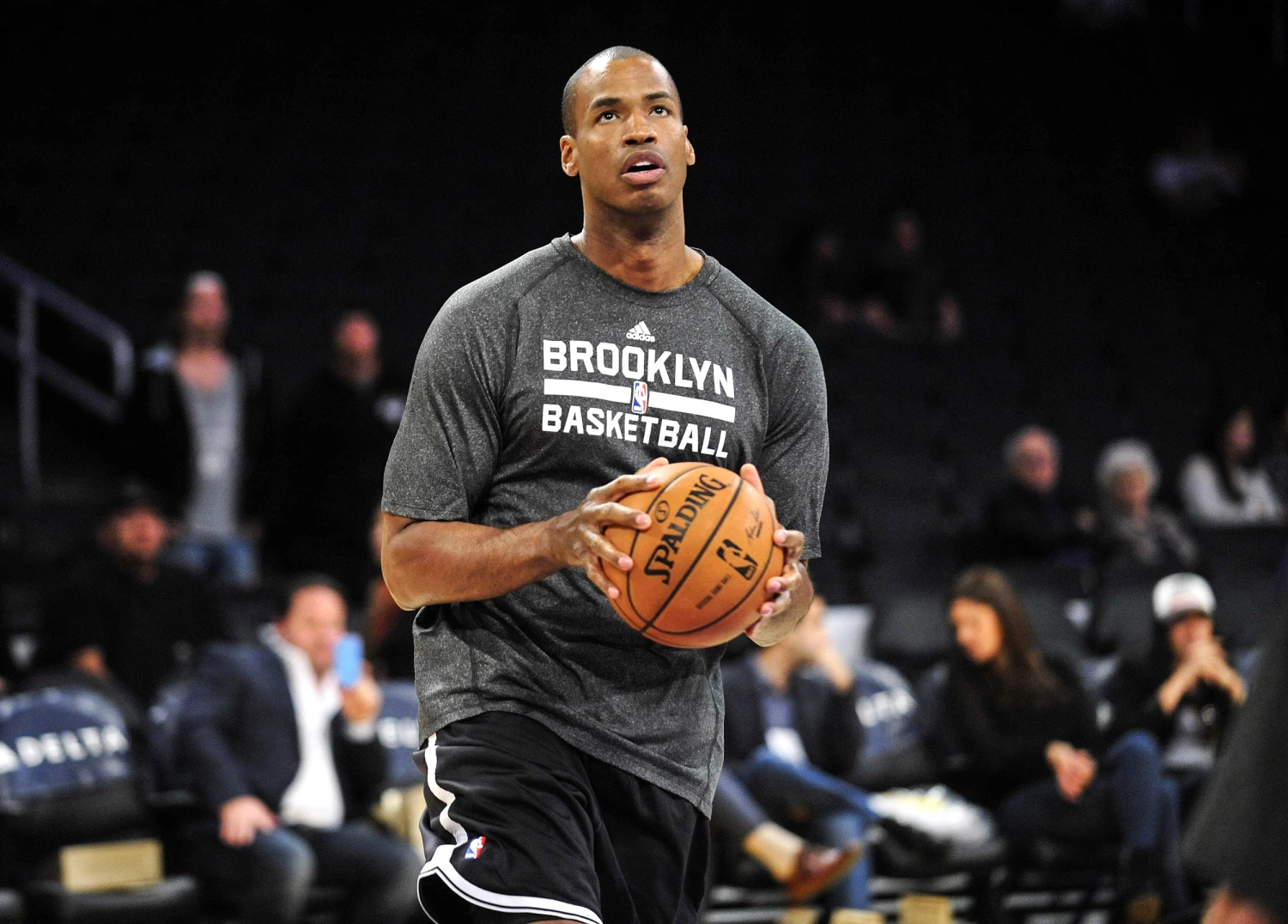
Jason Collins' basketball journey began at Harvard-Westlake School in Southern California, where he starred alongside his identical twin brother, Jarron Collins. Both brothers went on to play for Stanford University, where they helped lead the Cardinal to the NCAA Tournament. In 2001, the Houston Rockets selected Jason Collins with the 18th overall pick in the NBA Draft.
Collins' NBA career spanned 13 seasons (2001-2014) across six teams: the New Jersey Nets, Memphis Grizzlies, Minnesota Timberwolves, Atlanta Hawks, Boston Celtics, Washington Wizards, and Brooklyn Nets. Standing at 6-foot-11 and known for his tenacious defense and hustle, Collins averaged 3.6 points and 3.7 rebounds per game over 735 career appearances. His most memorable years came with the New Jersey Nets, where he helped the franchise reach back-to-back Eastern Conference Finals in 2002 and 2003. Former Nets teammate and current Dallas Mavericks coach Jason Kidd said in a statement, "This one hurts. Jason Collins was a pioneer. He had courage like you've never seen."
After retiring in 2014, Collins remained deeply involved with the league as an NBA Cares Ambassador, traveling the world to promote the game's values of inclusivity and community service.
The Battle with Glioblastoma: A Fight That Inspired Millions
In September 2025, Collins' family announced that he was undergoing treatment for a brain tumor. By December, the former NBA star revealed the full scope of his diagnosis: Stage 4 glioblastoma, one of the deadliest forms of brain cancer. In an emotional interview with ESPN, Collins described how the disease had struck suddenly. "It came on incredibly fast," he said. "Imagine a monster with tentacles spreading across the underside of my brain the width of a baseball."
He explained how the tumor's location made treatment particularly challenging. "What makes glioblastoma so dangerous is that it grows within a very finite, contained space — the skull — and it's very aggressive and can expand," Collins told ESPN. "What makes it so difficult to treat in my case is that it's surrounded by the brain and is encroaching upon the frontal lobe — which is what makes you, 'you.'"
Collins and his husband, Brunson Green — whom he married in Austin, Texas in May 2025 — traveled to Singapore to pursue an experimental treatment that delivered chemotherapy drugs directly to the tumor. "It was an easy decision to get more experimental just like I knew I was doing the right decision when I came out publicly," Collins said. "And if not for me, for someone else."
The symptoms had arrived without warning. Just three months after his wedding, Collins began experiencing strange neurological issues, including difficulty focusing while packing for a trip to the U.S. Open. CT scans revealed the devastating diagnosis, and within hours, as Collins described it, "my mental clarity, short-term memory and comprehension disappeared."
An Outpouring of Tributes from Across the Sports World
Following news of Collins' passing, tributes flooded in from across the NBA and beyond. NBA Commissioner Adam Silver issued a statement praising Collins' enduring impact: "His impact and influence extended far beyond basketball as he helped make the NBA, WNBA and larger sports community more inclusive and welcoming for future generations. He exemplified outstanding leadership and professionalism throughout his 13-year NBA career and in his dedicated work as an NBA Cares Ambassador. Jason will be remembered not only for breaking barriers, but also for the kindness and humanity that defined his life and touched so many others."
The Brooklyn Nets organization honored their former player with a statement reflecting on his eight seasons with the franchise. "He was a constant in our locker room — selfless, tough, and deeply respected by teammates, coaches, and staff alike. Those who were around Jason every day knew him not just as a competitor, but as a genuinely kind, thoughtful person who brought people together." The Nets noted that Collins "helped define an era of our franchise and played a vital role on our back-to-back Eastern Conference championship teams."
Human Rights Campaign president Kelley Robinson called Collins a groundbreaking figure. "He came out as gay — while still playing — at a time when men's athletes simply did not do that. But as he powerfully demonstrated in his final years in the league and his post-NBA career, stepping forward as he did boldly changed the conversation."
The Legacy of Jason Collins: What It Means for Sports Today
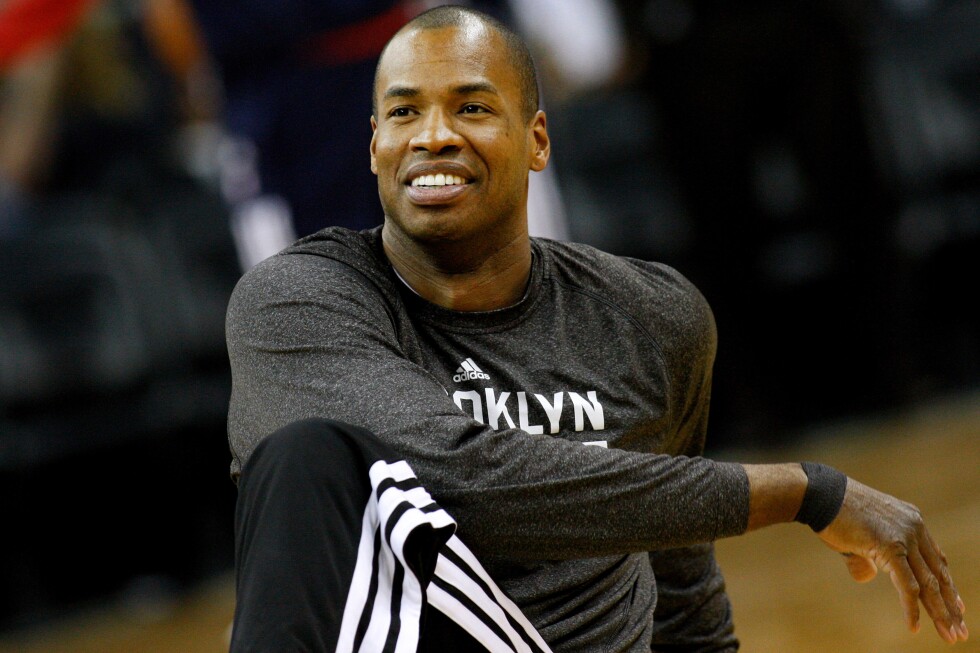
Collins' impact on professional sports extends far beyond his on-court statistics. By coming out while still an active player, he opened a door that had remained firmly closed for generations of male athletes. His courage paved the way for greater LGBTQ visibility and acceptance across all major sports leagues. The timing of his announcement — in 2013, before same-sex marriage was legalized nationwide — made his decision all the more significant.
However, as some commentators have noted, Collins' death also highlights an uncomfortable reality: more than a decade after his historic coming out, no other active male player in the NBA, NFL, MLB, or NHL has followed his lead by coming out while still playing. Yet his influence remains immeasurable. The NBA, under Commissioner Silver's leadership, has become one of the most LGBTQ-inclusive major sports organizations in the world, with annual Pride nights, anti-discrimination policies, and community outreach programs that Collins helped inspire.
The Brooklyn Nets summed up his legacy best: "His impact extended far beyond the court, and his courage and authenticity helped move the game — and the world — forward."
Where Things Stand Now: Latest on Jason Collins' Passing
As of this week, the NBA community continues to mourn the loss of one of its most transformative figures. Collins passed away at his home surrounded by family, including his twin brother Jarron, who also played in the NBA, and his husband Brunson Green. The family has requested privacy during their time of grief but has expressed gratitude for the overwhelming support they have received from fans, former teammates, and the broader sports community.
The NBA has announced plans to honor Collins during the upcoming playoffs, with teams expected to hold moments of silence and wear commemorative patches. Several players have already dedicated upcoming games to Collins' memory on social media.
What Happens Next: The Future of Collins' Legacy
In the coming weeks, the basketball world will continue to celebrate Jason Collins' life and contributions. The Human Rights Campaign and other LGBTQ advocacy organizations are expected to announce initiatives named in his honor. Collins' work as an NBA Cares Ambassador — which took him to schools, community centers, and events around the globe — will serve as a lasting blueprint for how athletes can use their platforms for social good.
His decision to pursue experimental cancer treatment, and his public candor about his diagnosis, may also contribute to greater awareness and research funding for glioblastoma, a disease that currently has no cure and a devastating prognosis.
Key Takeaways: Remembering Jason Collins
- Trailblazer: Became the first openly gay active player in NBA history when he came out in Sports Illustrated in 2013
- 13-Year NBA Veteran: Played for six teams from 2001 to 2014, reaching back-to-back Eastern Conference Finals with the New Jersey Nets
- Stanford Graduate: Played college basketball alongside his twin brother Jarron at Stanford University
- Advocate & Ambassador: Served as an NBA Cares Ambassador and LGBTQ rights advocate after retirement
- Courageous Fight: Battled Stage 4 glioblastoma for eight months, pursuing experimental treatments and speaking openly about his journey
- Lasting Legacy: Remembered by teammates, league officials, and fans as a pioneer whose bravery made sports more inclusive for everyone