
The NBA is revolutionizing its midseason showcase with the 2026 All-Star Game introducing a groundbreaking USA vs. World format that promises to inject competitive fire into basketball's annual celebration. As the league prepares for its 75th All-Star edition on February 15, 2026, a radical three-team round-robin tournament will replace the traditional East vs. West matchup, marking the most significant format change in All-Star history. The shift comes after years of declining television ratings and criticism about the game's lack of competitiveness, with league executives hoping the national pride element will transform the event into must-see television.
How the 2026 All-Star Format Will Work: Inside the Revolutionary Change
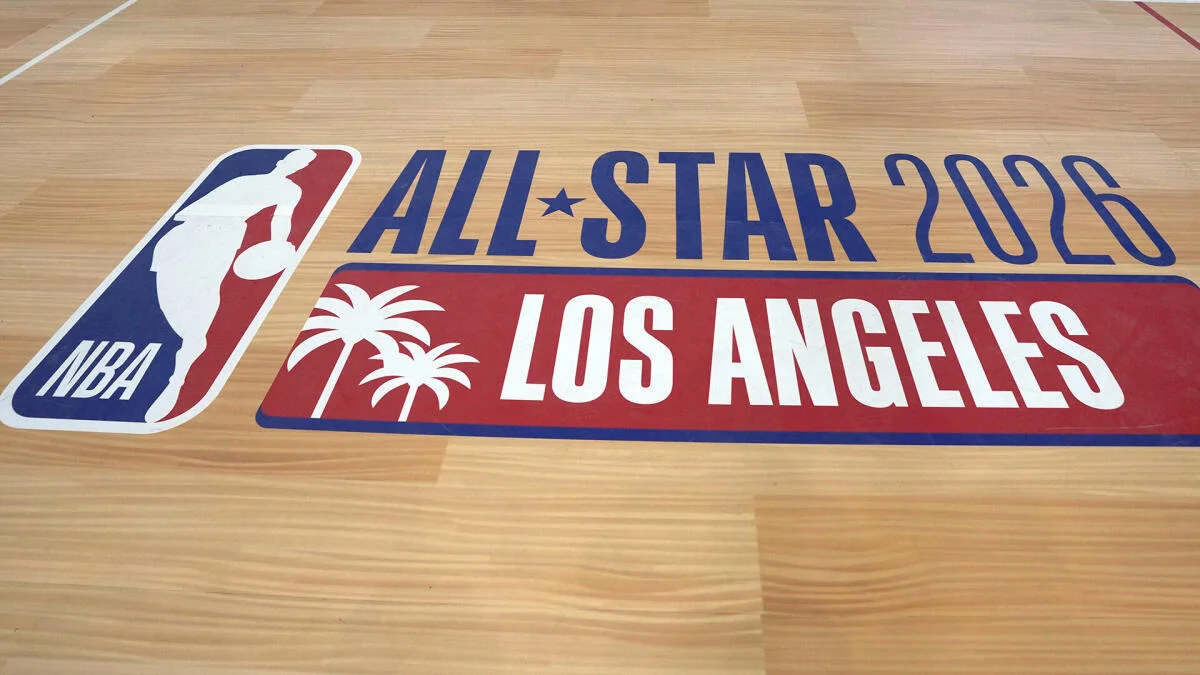
The 2026 NBA All-Star Game will feature three eight-player teams competing in a round-robin tournament at the state-of-the-art Intuit Dome in Inglewood, California. Two teams will consist entirely of American-born players (dubbed "USA Stars" and "USA Stripes"), while the third team will comprise the league's top international talent from outside the United States. Each team will play two games of approximately 12 minutes each, with the championship determined by total points scored across the mini-tournament. The format eliminates the traditional four-quarter structure in favor of shorter, more intense games designed to maintain player engagement and fan interest throughout the event.
"This isn't just a format change—it's a philosophical shift," explained NBA Commissioner Adam Silver in the November 2025 announcement. "By introducing the USA vs. World dynamic, we're tapping into national pride and international rivalries that already exist during Olympic competition. Our players have told us they want the All-Star Game to matter more, and this format creates natural competitive incentives." The decision follows extensive player surveys and fan research showing overwhelming support for a format that would increase competitiveness while celebrating the NBA's global growth, where approximately 25% of current players were born outside the United States.
Timeline: How the 2026 All-Star Format Developed Over Two Years
The road to the 2026 All-Star format change began in earnest after the 2024 game, which recorded the lowest television ratings in All-Star history. League executives convened a special committee including current players, former All-Stars, and broadcast partners to brainstorm solutions. By June 2025, the NBA had narrowed options to three finalists: the USA vs. World format, an entirely new draft system, and a return to classic East vs. West with financial incentives. Player feedback strongly favored the international rivalry concept, with stars like Giannis Antetokounmpo and Luka Dončić publicly endorsing the idea.
The final decision came on November 12, 2025, when the NBA officially announced the format change alongside the release of the 2026 All-Star Weekend schedule. The league simultaneously revealed that the event would move to the brand-new Intuit Dome, the $2 billion home of the Los Angeles Clippers scheduled to open in August 2025. The timeline accelerated through early 2026 as the NBA worked with the players' association to finalize roster selection procedures, tournament rules, and bonus structures designed to incentivize competitive play without compromising player safety.
Why the Format Change Matters: Expert Analysis and League Implications
Basketball analysts point to several factors that make the 2026 format change particularly significant. First, it addresses longstanding criticism that the All-Star Game had become an exhibition with minimal defensive effort and no stakes. "The USA vs. World concept creates built-in narrative tension," explains ESPN analyst Doris Burke. "American players don't want to lose to the international team, and international stars want to prove they can beat the best Americans. That pride element changes the competitive calculus." The format also better reflects the NBA's current demographic reality, where international stars like Nikola Jokić, Joel Embiid, and Shai Gilgeous-Alexander regularly compete for MVP honors.
Financially, the league hopes the format revitalizes All-Star Weekend's television appeal at a critical time. The NBA's current media rights deals expire after the 2024-25 season, and the 2026 All-Star Game will be the first under new broadcasting agreements. A successful format change could increase the value of future midseason events and create new marketing opportunities with international brands. Additionally, the shift aligns with the NBA's global expansion strategy, potentially increasing viewership in international markets where fans can now cheer for a "home team" of international stars against American competition.
Where Things Stand Now: Latest on 2026 All-Star Rosters and Events
As of February 2026, the NBA has announced the complete All-Star rosters following a combination of fan voting (50%), player voting (25%), and media voting (25%). The USA Stars team features emerging talents like Scottie Barnes (Toronto Raptors), Devin Booker (Phoenix Suns), and Cade Cunningham (Detroit Pistons), while the USA Stripes squad includes established stars like Jaylen Brown (Boston Celtics) and Jalen Brunson (New York Knicks). The World team showcases the NBA's international elite, headlined by recent MVP winners and All-NBA selections from Europe, Africa, and Australia.
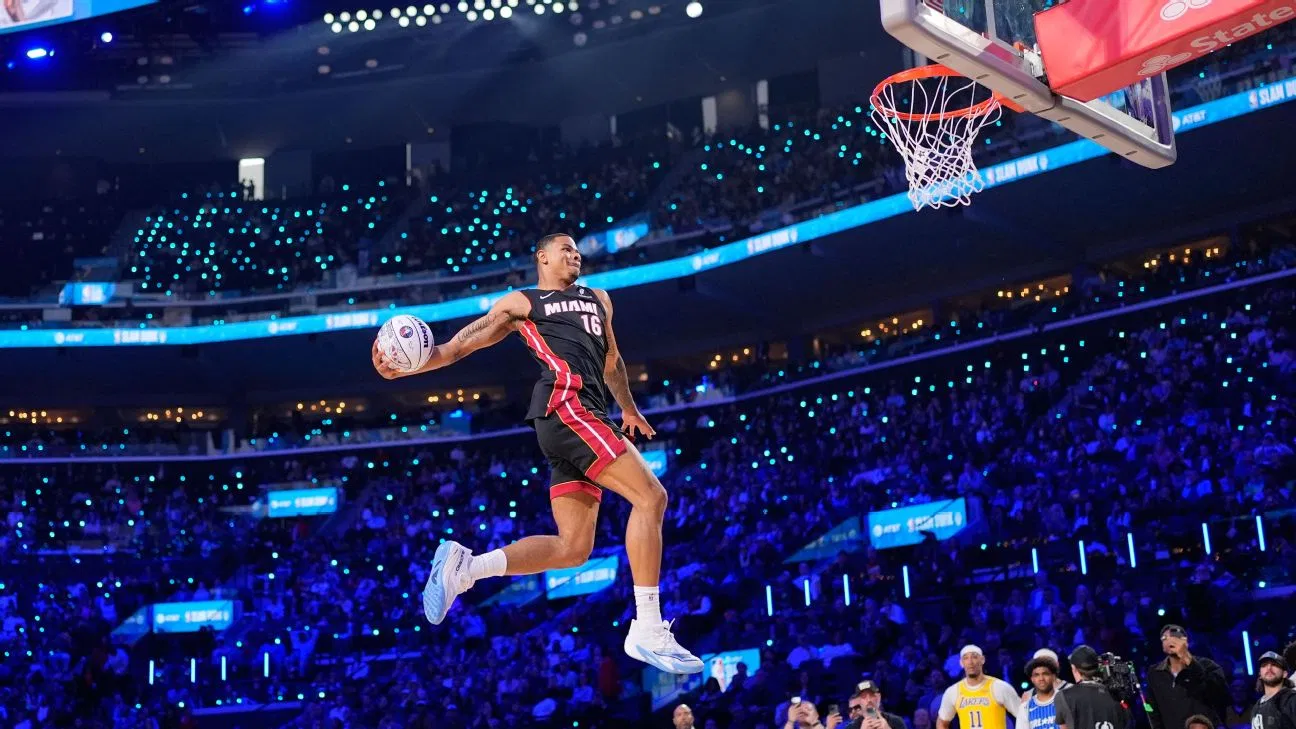
The 2026 All-Star Weekend maintains traditional events alongside the format change, with the Rising Stars game featuring first- and second-year players on February 13, followed by All-Star Saturday Night with the Skills Challenge, Three-Point Contest, and Slam Dunk Contest. Keshad Johnson of the Memphis Grizzlies recently won the 2026 Dunk Contest with two perfect-score dunks in the final round. The main event on Sunday, February 15, will be broadcast on NBC and Peacock with extensive pre-game coverage beginning at 5:00 PM ET, marking NBC's return to NBA broadcasting after a two-decade absence.
What Happens Next: The Road Ahead for NBA All-Star Weekend
The success or failure of the 2026 format will likely determine the future of NBA All-Star Games for the next decade. League executives have indicated that if the USA vs. World format proves popular with fans and players, it could become permanent, potentially with variations like regional teams (Europe vs. Americas vs. Rest of World) in future years. The NBA is also monitoring player feedback closely, with particular attention to whether the shorter game format reduces injury risk while maintaining entertainment value.
Looking beyond 2026, the league has already awarded All-Star Games to Phoenix (2027) and Las Vegas (2028), with both cities expected to maintain the new format if it succeeds. The international component also opens possibilities for future All-Star Games outside North America, with league sources mentioning London, Paris, and Mexico City as potential hosts if logistics can be managed. For now, all eyes are on Intuit Dome this weekend, where the NBA hopes to begin a new chapter in All-Star history that balances celebration with competition in equal measure.
The Bottom Line: Key Points to Remember
The 2026 NBA All-Star Game represents a fundamental shift in how the league approaches its midseason showcase. The move from East vs. West to USA vs. World addresses years of criticism about the game's lack of competitiveness while celebrating the NBA's global diversity. With a three-team round-robin format, shorter games, and the national pride element, the league aims to create must-see television that appeals to both traditional American audiences and growing international fan bases. As the basketball world converges on Los Angeles this weekend, the success of this experiment could redefine All-Star Weekend for generations to come.