

European football is about to cross a historic financial threshold as UEFA's club competitions, led by the Champions League, are set to generate over €1 billion in sponsorship revenue for the first time. According to multiple reports, UEFA is finalizing two landmark sponsorship deals that will push its commercial income beyond €1.1 billion ($1.3 billion), marking a 40% increase from the previous cycle and cementing the Champions League's status as the most commercially valuable club competition in world sports.
How the Champions League Format Change Sparked a Financial Revolution
The dramatic revenue surge comes on the heels of the Champions League's most significant structural overhaul in decades. The new 36-team league phase format, introduced in the 2024-25 season, has fundamentally transformed the competition's commercial appeal. Gone are the traditional eight groups of four teams, replaced by a single league table where each club plays eight matches against different opponents. This expansion has created more high-profile matchups, increased competitive balance, and extended the global broadcast window—all factors that have significantly boosted the competition's commercial value.

"The revamped Champions League format has played a major role in driving global interest," reports AS USA. "More matches between top clubs, higher stakes deep into the competition, and expanded international appeal have all helped UEFA command greater commercial value." The format change has proven particularly attractive to broadcasters and sponsors seeking guaranteed high-quality matchups throughout the competition, rather than the potential for lopsided group stage games that sometimes occurred under the previous system.
The Billion-Euro Deals: AB InBev, Pepsi, and Nike Lead Sponsorship Charge
UEFA's commercial portfolio is undergoing its most significant transformation in years, with three major brand partnerships leading the financial revolution. AB InBev has signed a six-year deal to become UEFA's official beer partner starting in 2027, replacing long-time sponsor Heineken. Simultaneously, Pepsi has extended its role as the governing body's soft drinks partner through 2033, securing its position in one of sports marketing's most prestigious partnerships.
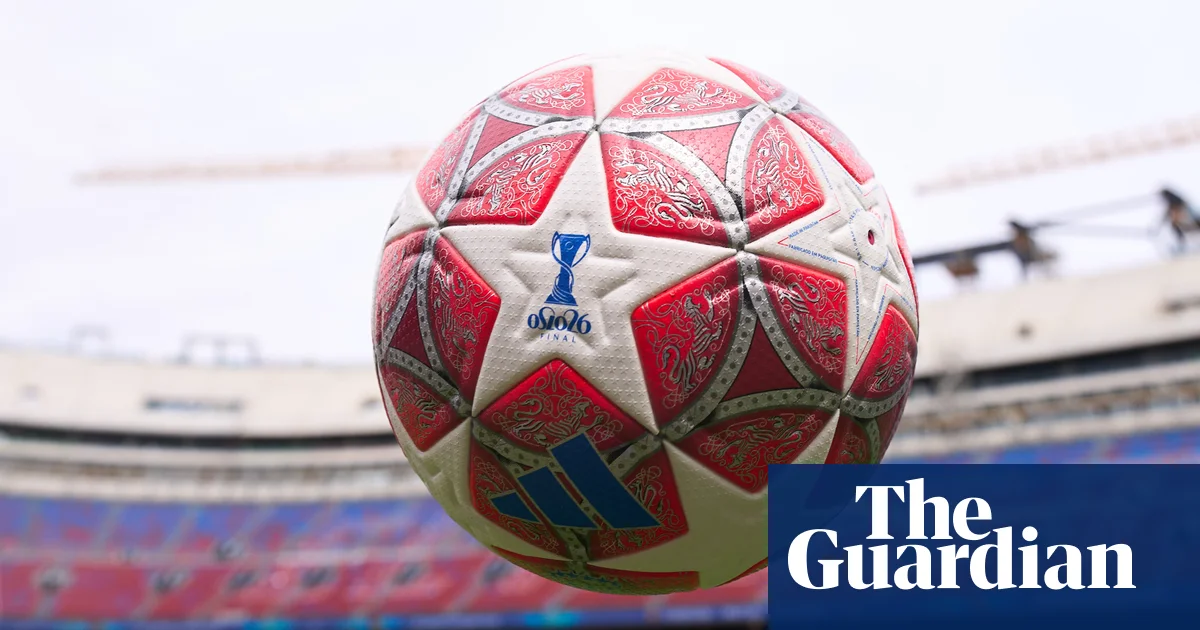
Perhaps most notably, Nike is in exclusive talks to replace Adidas as UEFA's official match ball supplier, ending a partnership that has defined the competition's visual identity for decades. According to OneFootball, "Both parties are in exclusive talks, with Nike poised to take over as UEFA's official match ball supplier, ending their long-standing association with Adidas." These partnerships represent just the beginning of UEFA's commercial expansion, with two additional global sponsorship deals—involving a payments provider and a technology partner—currently being finalized.
Timeline: How UEFA Built a €6 Billion Football Empire
The road to UEFA's current financial dominance has been built through strategic evolution over several years. The process began with the approval of the new Champions League format in 2022, designed to increase competitive matches and commercial appeal. In 2025, the first season under the new format demonstrated significantly increased viewer engagement and sponsor interest. By early 2026, UEFA had secured the landmark AB InBev and Pepsi partnerships, while simultaneously negotiating with Nike to revolutionize the competition's equipment sponsorship.
April 2026 marked the breakthrough moment, with reports confirming that UEFA's sponsorship revenue would exceed €1 billion for the first time. The organization now projects total earnings from sponsorships and broadcast rights to top €6 billion ($7 billion), with the Champions League accounting for the majority of this revenue. This timeline reflects a carefully orchestrated commercial strategy that has positioned UEFA's club competitions as the most financially lucrative in European sports.
Why This Financial Milestone Changes Everything for European Football
The implications of UEFA's financial breakthrough extend far beyond the organization's balance sheets. According to industry analysts, the revenue surge will fundamentally reshape the competitive landscape of European football. Clubs reaching the later stages of the Champions League now regularly earn over $100 million in prize money, with Bayern Munich already surpassing €100 million in earnings from the 2025-26 competition alone. This financial disparity could accelerate the concentration of talent at Europe's elite clubs, while simultaneously providing smaller clubs with unprecedented revenue opportunities through improved participation payouts.
"UEFA is on the verge of surpassing €1.1 billion, about $1.3 billion, in sponsorship revenue, while total earnings from sponsorships and broadcast rights are expected to top €6 billion, roughly $7 billion," reports AS USA. This financial firepower gives UEFA unprecedented resources to invest in grassroots development, women's football, and competitive balance initiatives across the continent. However, it also raises questions about the growing financial gap between European football and other continental competitions, potentially reshaping the global football hierarchy for years to come.
Where Things Stand Now: The Final Push Toward Historic Revenue
As of April 2026, UEFA is in the final stages of completing its commercial transformation. The organization's joint venture with the European Club Association, known as UC3, is finalizing agreements with an official payments provider and technology partner that will push sponsorship revenue past the €1.1 billion threshold. These deals represent the culmination of a multi-year strategy to maximize the commercial potential of UEFA's club competitions, with the Champions League serving as the primary engine of growth.
Broadcast revenue has also seen significant increases, with UEFA recently selling television rights for the 2024-2027 cycle for approximately €15 billion—a 40% increase over previous agreements. Combined with the sponsorship surge, this positions UEFA's club competitions to distribute record-breaking prize money to participating teams, potentially reaching €4.4 billion for the Champions League alone. The financial revolution is not just theoretical; it's already transforming the economic reality for clubs across Europe.
What Happens Next: The Future of Football Finance
The trajectory suggests that UEFA's financial growth is only beginning. Industry experts predict that sponsorship revenue could approach €1.5 billion by the end of the decade, particularly if the organization continues to innovate its competition formats and commercial offerings. The potential introduction of a direct-to-consumer Champions League streaming service, currently under consideration, could further disrupt traditional revenue models and create new income streams.
For clubs, the financial boom means both opportunity and challenge. While elite teams will benefit from increased prize money, the growing revenue gap could intensify competitive imbalances. UEFA faces the delicate task of distributing wealth in a way that maintains competitive balance while rewarding sporting excellence. The organization's next moves—particularly regarding financial fair play regulations and revenue distribution models—will shape European football for generations to come.
The Bottom Line: Key Takeaways from UEFA's Financial Revolution
UEFA's breakthrough €1 billion sponsorship milestone represents more than just a financial record—it signals a fundamental transformation in how European football generates and distributes wealth. The Champions League's new format has proven to be a commercial masterstroke, driving unprecedented interest from global brands and broadcasters. Major partnerships with AB InBev, Pepsi, and potentially Nike have repositioned UEFA's commercial portfolio for the digital age, while record-breaking prize money is reshaping club economics across the continent.
As the financial revolution continues, the implications will be felt at every level of European football, from elite Champions League contenders to domestic league participants sharing in the increased revenue. The challenge for UEFA will be balancing this financial success with the sporting integrity that has made the Champions League the world's most prestigious club competition. One thing is certain: the business of European football will never be the same.