
The 2026 World Baseball Classic bracket has reached its most critical stage, with four powerhouse teams remaining after a quarterfinal round filled with dramatic finishes, historic upsets, and moments that have reshaped the international baseball landscape. As the tournament narrows from 20 nations to just four contenders, the semifinals promise a collision of baseball titans that will determine who advances to Tuesday's championship game.
How the WBC Bracket Unfolded: Quarterfinal Breakdown
The knockout stage of the 2026 World Baseball Classic delivered exactly what fans hoped for: high-stakes baseball with unpredictable outcomes. After pool play whittled the field to eight teams, the quarterfinals produced a mix of dominant performances and nail-biting finishes that have set up compelling semifinal matchups.
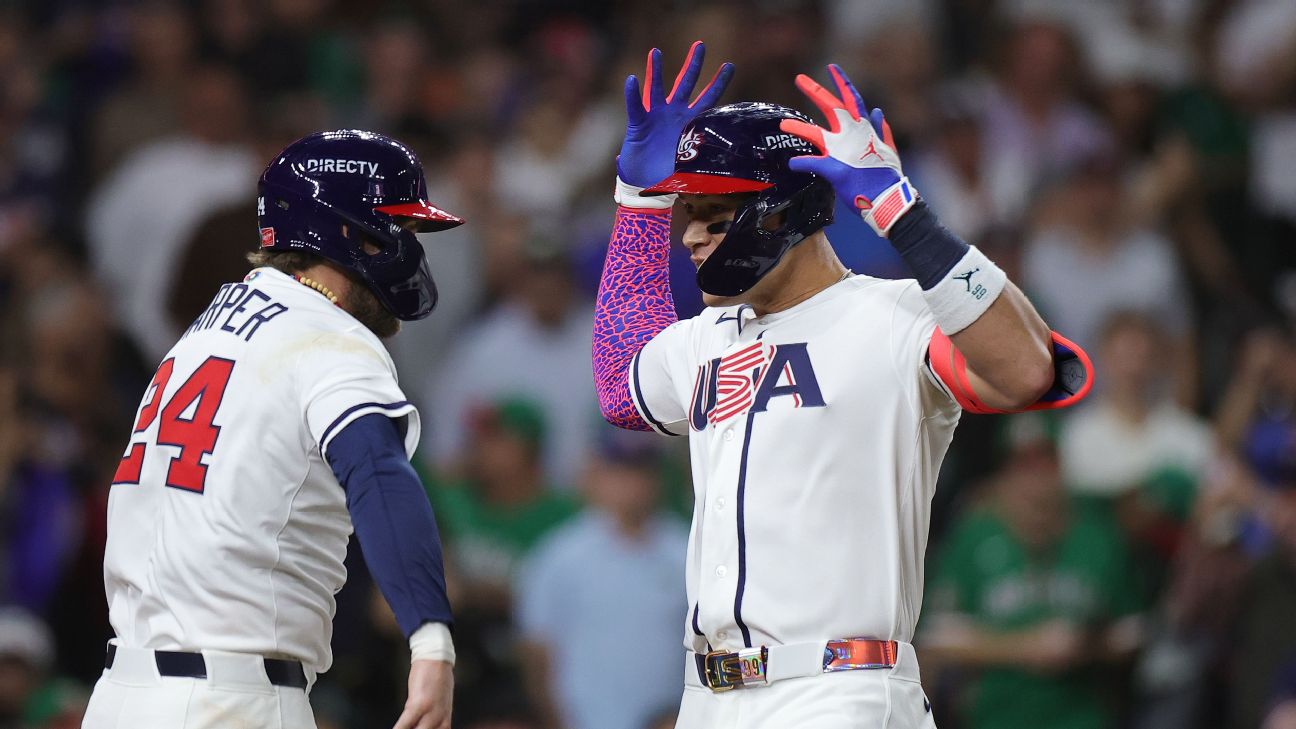
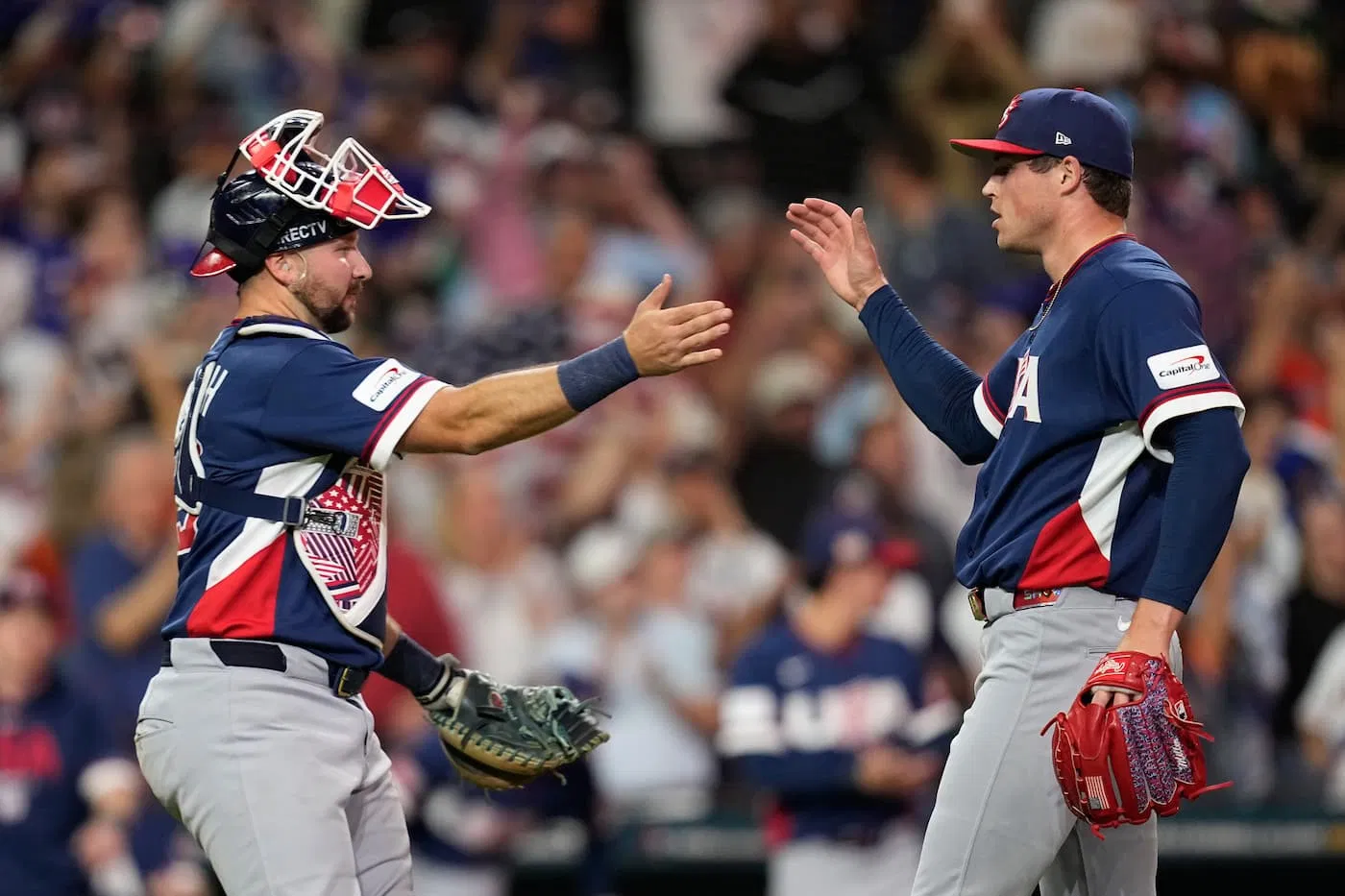
Team USA's 5-3 victory over Canada showcased the tension that defines tournament baseball. The Americans built a 5-0 lead through six innings behind RBIs from Kyle Schwarber, Alex Bregman, Brice Turang, and Pete Crow-Armstrong, only to watch Canada mount a furious sixth-inning comeback with an RBI single from Tyler Black and a two-run homer from Bo Naylor. The game tightened considerably, but stellar relief pitching from Mason Miller and David Bednar preserved the narrow margin, sending the United States to their third consecutive WBC semifinal appearance.
Meanwhile, the Dominican Republic delivered the most dominant performance of the quarterfinals, mercy-ruling South Korea 10-0 in just seven innings. The Dominican bats were relentless from the start, with Austin Wells crushing a first-pitch cutter in the bottom of the seventh to walk off Korea via the tournament's mercy rule. The victory tied the WBC single-game home run record and served notice that the Dominican squad, loaded with MLB talent, represents the tournament's most potent offensive force.
Timeline: The Quarterfinal Sequence That Reshaped the Tournament
The quarterfinal round unfolded over three days across two venues, with each game building upon the previous day's drama:
Friday, March 13: The knockout stage opened with a statement victory as the Dominican Republic dismantled South Korea 10-0 at loanDepot Park in Miami. Hours later, Team USA survived Canada's late rally at Daikin Park in Houston, securing a 5-3 win that set up a dream semifinal matchup.
Saturday, March 14: Italy continued their surprising undefeated run with an 8-6 victory over Puerto Rico in Houston. The Italians built an early lead and withstood a late Puerto Rican rally to advance to their first WBC semifinal since 2013. Later that evening, Venezuela delivered the tournament's biggest shock by eliminating defending champion Japan 8-5 in Miami. Wilyer Abreu's sixth-inning three-run homer proved the difference, ending Japan's title defense and sending Venezuela to the semifinals for the first time in 17 years.
This sequence of results has created a fascinating semifinal bracket where traditional powers (USA and Dominican Republic) face off against surging contenders (Italy and Venezuela) who have already exceeded expectations.
Why These Results Matter: Analysis of the Shifting International Landscape
The 2026 quarterfinals revealed significant shifts in international baseball's competitive balance. Venezuela's victory over Japan represents more than just an upset—it marks the first time since 2013 that Japan has failed to reach the WBC semifinals, breaking a streak that included two championships. This outcome signals that the gap between traditional baseball powers and emerging nations continues to narrow, thanks in part to increased MLB representation on rosters worldwide.
Italy's undefeated run to the semifinals demonstrates the growing globalization of talent development. With a roster featuring MLB players of Italian descent alongside homegrown talent developed in Europe's improving baseball infrastructure, Italy has transformed from a tournament participant to a legitimate contender. Their quarterfinal victory over Puerto Rico—a traditional baseball power—validates this progress and suggests European baseball has reached a new competitive level.
For Team USA, the narrow victory over Canada exposed both strengths and vulnerabilities. The American lineup showed its depth with contributions throughout the order, but the bullpen's late-inning struggles against Canada's rally raised questions about how they'll handle the Dominican Republic's explosive offense. The USA-Dominican Republic semifinal represents not just a battle for a championship berth, but a clash of contrasting baseball philosophies: the USA's balanced approach versus the Dominican Republic's relentless power.
Where Things Stand Now: The Semifinal Matchups
As the tournament moves to its penultimate stage, the semifinal pairings promise must-watch baseball:
USA vs Dominican Republic (Sunday, March 15, 8 p.m. ET, loanDepot Park, Miami): This star-studded matchup features two rosters loaded with MLB All-Stars. The Dominican Republic enters with tournament-best offensive numbers, having outscored opponents 38-7 through four games. Team USA counters with a more balanced attack and deeper pitching staff. The winner advances to the championship game and establishes themselves as the tournament favorite.
Venezuela vs Italy (Monday, March 16, time TBD, loanDepot Park, Miami): Two teams that have already made history continue their unexpected runs. Venezuela brings emotional momentum from their upset of Japan, while Italy carries the confidence of an undefeated tournament. Both teams feature strong starting pitching and timely hitting, setting up what could be a tightly contested pitching duel.
The semifinals represent the culmination of a tournament that began with 20 teams across four venues (Tokyo, San Juan, Houston, and Miami). What started as a global celebration of baseball has narrowed to four teams with legitimate championship aspirations, each having taken dramatically different paths to reach this stage.
What Happens Next: The Road to the Championship
The winners of Sunday and Monday's semifinals will meet on Tuesday, March 17, for the World Baseball Classic championship at loanDepot Park in Miami. The championship game will crown the sixth WBC champion in tournament history and could produce several historic outcomes:
• A USA victory would give the Americans their third WBC title, tying Japan for most championships
• A Dominican Republic win would deliver their first title since 2013 and cement their status as a baseball superpower
• A Venezuela or Italy championship would mark the first time a nation outside the USA, Japan, or Dominican Republic has won the tournament
Beyond the immediate championship implications, the semifinal results will influence how nations approach future WBC tournaments. The success of Italy and Venezuela demonstrates that strategic roster construction and player development can overcome traditional talent advantages, potentially encouraging more nations to invest in their baseball programs.
The Bottom Line: Key Points to Remember
• The 2026 World Baseball Classic bracket has been reduced to four teams after thrilling quarterfinal action
• Team USA's 5-3 victory over Canada sets up a marquee semifinal against the Dominican Republic
• Venezuela's 8-5 upset of defending champion Japan represents the tournament's biggest shock
• Italy remains undefeated after defeating Puerto Rico 8-6, advancing to their first semifinal since 2013
• The semifinals feature contrasting styles: power (Dominican Republic) vs balance (USA), and momentum (Venezuela) vs consistency (Italy)
• The championship game will be played Tuesday, March 17, in Miami, crowning the sixth WBC champion
As the World Baseball Classic reaches its climax, the 2026 tournament has already delivered memorable moments and surprising results that reflect the growing global nature of baseball. The semifinal matchups promise high-stakes drama that will determine which nation can claim the title of world champion in the sport's most prestigious international competition.