
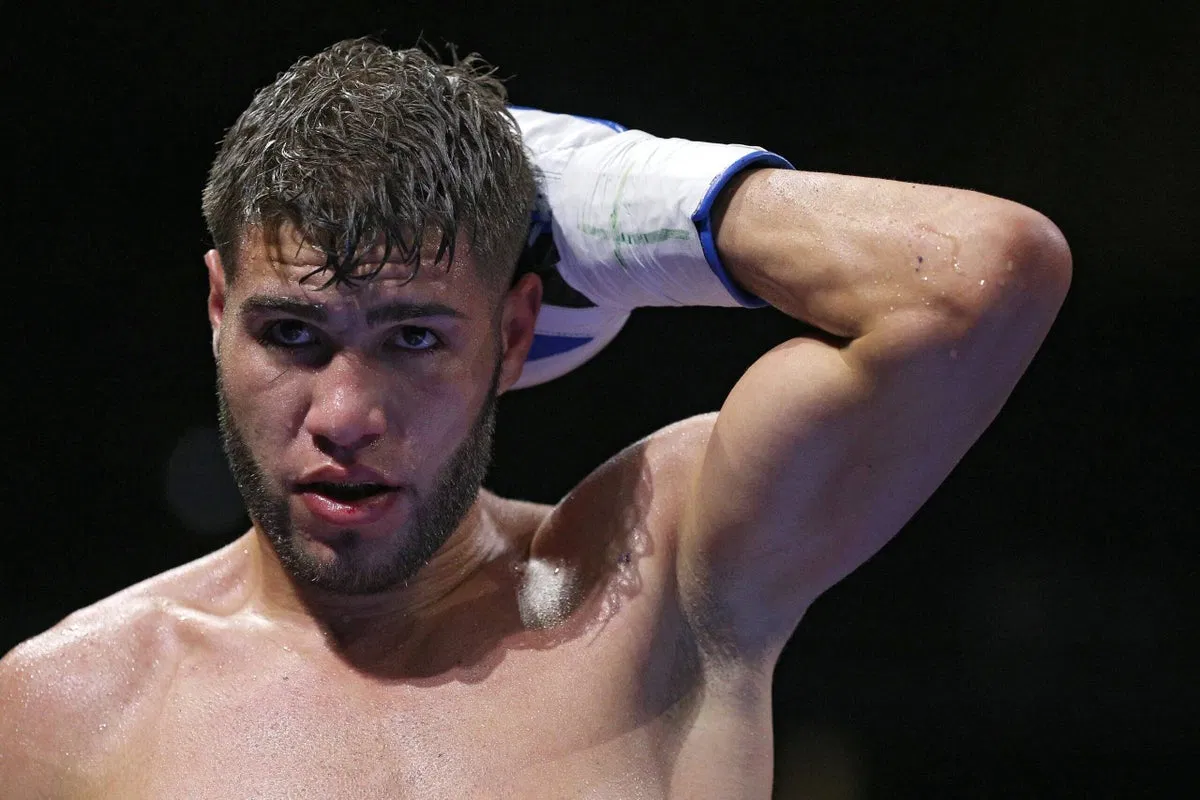
Prichard Colón, the Puerto Rican professional boxer whose undefeated rise was shattered by illegal punches in a 2015 fight, died on Thursday, August 13, 2026, at the age of 33. His father, Richard Colón, announced the news on Facebook, writing that his son had passed “from this earthly world” after more than a decade in a persistent vegetative state. The announcement closes one of the most wrenching chapters in modern boxing — and reopens a years-long debate over fighter safety and accountability that never fully resolved.
Colón's death, confirmed by The Athletic and Fox News, came nearly 11 years after an October 2015 bout against Terrel Williams in Fairfax, Virginia, left him with a brain hemorrhage that ended his career and, ultimately, his life.
A 16-0 Prospect Derailed in Nine Rounds
Before October 17, 2015, Prichard Colón was one of boxing's most promising young talents. Born September 19, 1992, in Maitland, Florida, he moved to Puerto Rico as a child and built a decorated amateur career, winning five national titles and a gold medal at the 2010 Pan American Youth Championship in the 64 kg division. He turned professional in 2012 and compiled a 16-0 record with 13 knockouts before stepping into the ring at EagleBank Arena in Fairfax, Virginia, to face the undefeated Terrel Williams in a super welterweight undercard bout.
The fight quickly turned ugly. Williams repeatedly struck Colón with rabbit punches — illegal blows to the back of the head in all major combat sports. Colón complained to referee Joseph Cooper throughout the bout, but the official dismissed him, reportedly telling him, “You take care of it.” Colón was then penalized two points for a low blow on Williams, while the illegal rabbit punches went unpunished at the time.
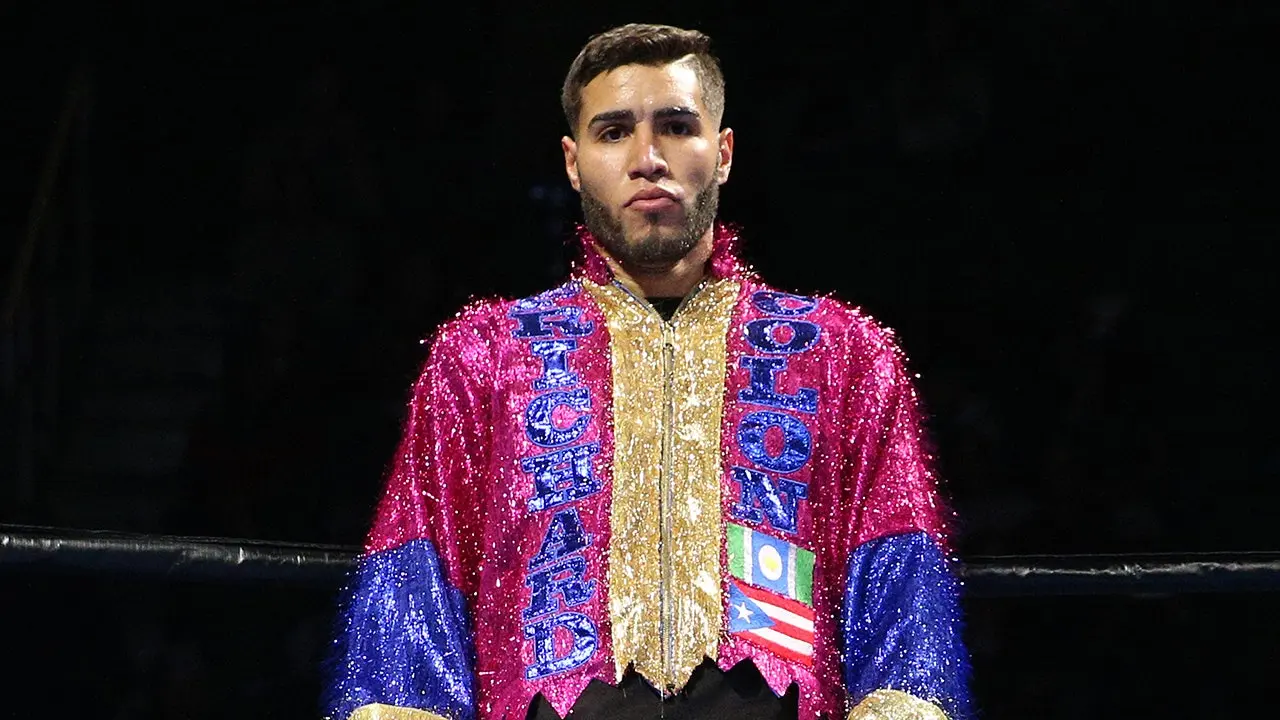
In the ninth round, Colón was knocked down for the first time in his professional career. Between rounds, he told the ringside doctor he felt dizzy but believed he could continue. The doctor, Dr. Richard Ashby, cleared him to fight on, believing Colón would “shake it off.” After the round, Colón's corner mistakenly removed his gloves, thinking the fight was over, which triggered a disqualification. Moments later, Colón needed help reaching the locker room, where he vomited and collapsed.
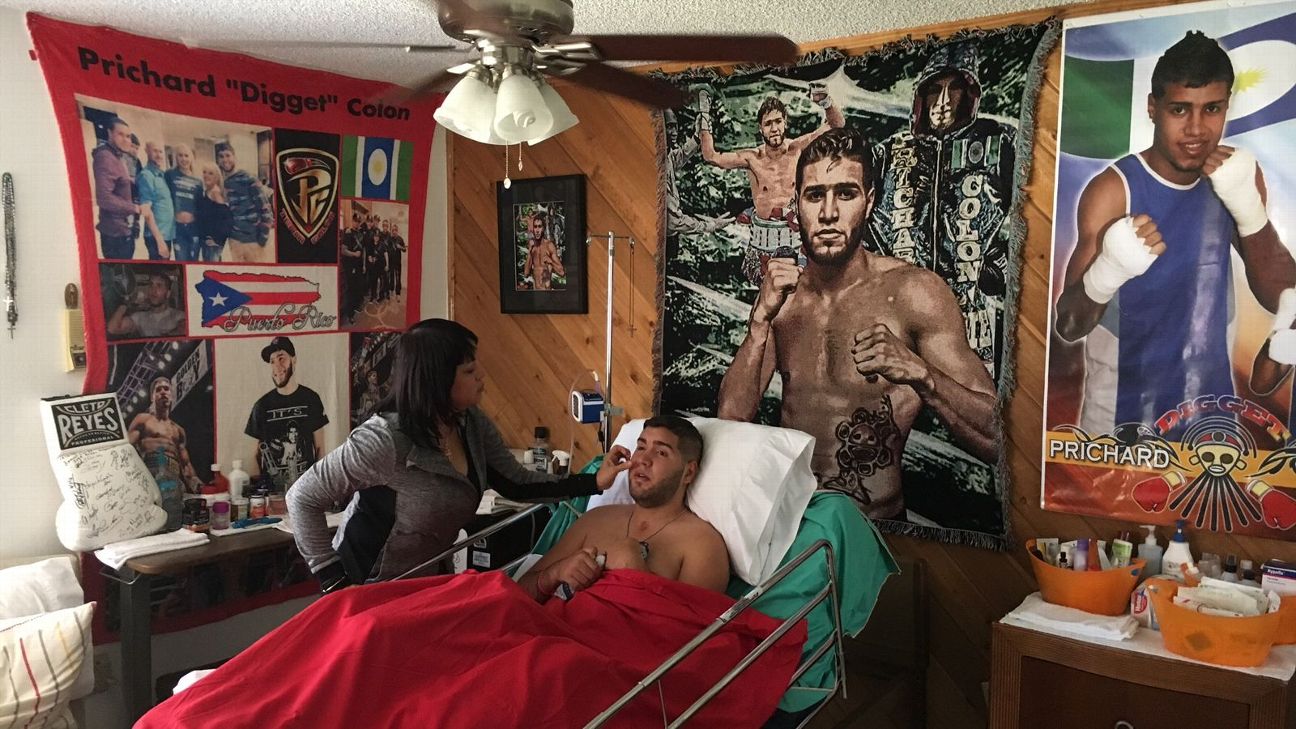
At the hospital, doctors diagnosed Colón with a left-sided subdural hematoma and performed emergency surgery to relieve swelling and pressure on his brain. He fell into a coma that would last 221 days. When he finally emerged, he was unable to speak and required constant care — a state from which he never fully recovered.
Timeline: From Undefeated Contender to a Decade of Recovery
Colón's journey unfolded over more than a decade, marked by fleeting signs of progress and years of legal limbo:
- October 17, 2015 — Colón suffers a brain bleed against Terrel Williams and collapses in the locker room at EagleBank Arena.
- Late 2015 — He is transferred from Inova Fairfax Hospital in Virginia to the Shepherd Center in Atlanta for rehabilitation.
- May 2016 — Colón is discharged and returns to his mother's home in Orlando, Florida, where he receives round-the-clock care.
- May 2017 — His parents file a lawsuit seeking more than $50 million from ringside doctor Richard Ashby and the event's organizers.
- July 2018 — His mother shares a video of Colón responding to verbal commands and learning to communicate through a computer.
- August 13, 2026 — Richard Colón announces his son's death at age 33.
Throughout those years, Colón never regained his ability to speak, relying on a computer to communicate during his limited moments of lucidity. His mother, Nieves Meléndez, became his primary caregiver and a vocal advocate for boxing safety reforms.
The $50 Million Question Boxing Still Hasn't Answered
Colón's family long argued that the tragedy was preventable. The 2017 lawsuit, filed in Virginia, sought more than $50 million in damages from Dr. Ashby and the promoters, alleging negligence in allowing the fight to continue and in clearing Colón to return to action after he reported dizziness. As of 2025, the suit had never gone to trial, and Colón's mother publicly said she doubted it ever would be resolved.
Williams, meanwhile, refused to accept blame. In a September 2017 interview, he said: “I pray for Prichard every day. That's never going to change. I wish him nothing but peace and health... I would never intentionally harm someone like that... I don't place any blame on myself.” Over the years, Williams became primarily known for his role in the injury, and by 2026 most of his social media accounts had been deleted amid sustained public backlash.
The case became a flashpoint in boxing's ongoing reckoning with head trauma and referee accountability. Critics pointed to the unpunished rabbit punches, the referee's dismissive response, and the ringside doctor's decision to let Colón continue as a chain of failures that transformed a routine undercard bout into a life-altering — and ultimately fatal — event. Colón was later named an honorary WBC World Champion, a recognition that underscored both his talent and the sport's unresolved guilt over what happened to him.
Richard Colón's Heartbreaking Farewell
News of Colón's death spread after his father posted a message on Facebook, written in Spanish. “Good morning, my people. I regret to inform you of the passing of my son Prichard from this earthly world,” Richard Colón wrote. “Now he is in a better world. I did everything possible to fulfill his wish, his dream of bringing him on vacation in Puerto Rico as much as he desired, but couldn't. Thank you for so many years of love and prayers. As much as you can, please keep us in your prayers.”
Colón died in Orlando, Florida, the long-term consequence of the subdural hematoma he suffered in 2015. He is survived by his parents, Richard Colón and Nieves Meléndez, and his siblings, who cared for him through more than a decade of rehabilitation.
What Comes Next
Colón's death is unlikely to end the legal fight his family has waged since 2017. The outstanding lawsuit against Dr. Ashby and the event organizers remains unresolved, and his family may now pursue a wrongful-death claim in addition to the original negligence allegations. Boxing observers also expect renewed calls for stricter enforcement of rules against rabbit punching and for mandatory stoppage protocols when a fighter reports dizziness or head trauma.
For a sport that has grappled with the long-term cost of brain injuries for decades, Colón's story serves as both a cautionary tale and a catalyst. His name has become shorthand in boxing circles for the consequences of inaction in the ring — and for the human cost that lingers long after the final bell.
The Bottom Line: A Career and Life Cut Short
- Prichard Colón died August 13, 2026, at age 33, nearly 11 years after suffering a brain hemorrhage in a bout against Terrel Williams.
- He was 16-0 with 13 knockouts as a professional and an honorary WBC World Champion.
- Illegal rabbit punches, an unresponsive referee, and a ringside doctor's decision to let him continue were all cited as contributing factors.
- His family's $50 million lawsuit remains unresolved, and boxing faces renewed scrutiny over fighter safety.