
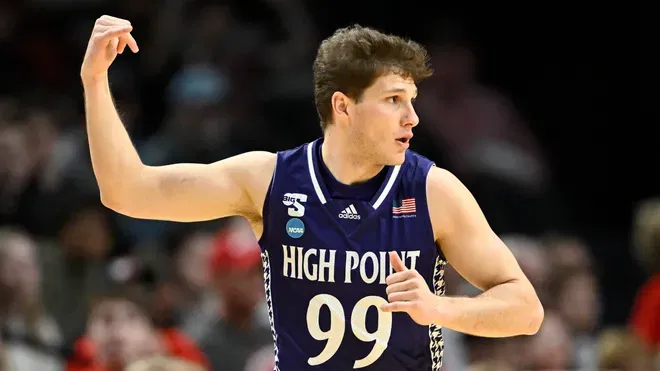
The 2026 NCAA Men's Basketball Tournament has already delivered the drama, heartbreak, and unpredictability that defines March Madness, with No. 12 seed High Point University pulling off a historic 83-82 upset over No. 5 Wisconsin in the tournament's first major shocker. As the first round continues across eight venues nationwide, this year's edition showcases both the timeless appeal of Cinderella stories and the evolving landscape of college basketball shaped by NIL and the transfer portal.
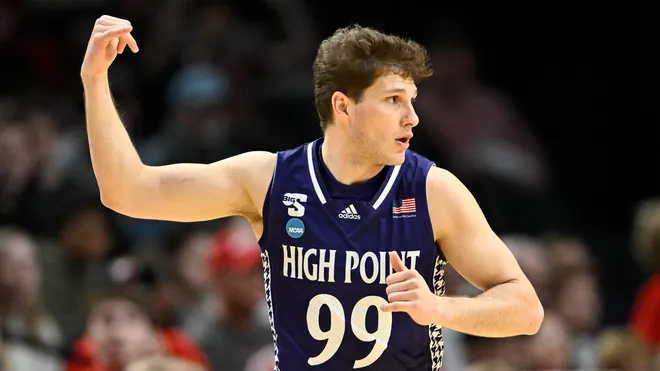
How High Point's Historic Upset Unfolded Against Wisconsin
Trailing by 10 points in the first half and still down 70-62 with just over seven minutes remaining, High Point mounted a furious comeback behind hot shooting and defensive stops. The Panthers connected on 15 three-pointers, with guard Chase Johnston hitting his first two-point basket of the season to complete the stunning victory. Wisconsin, a perennial powerhouse from the Big Ten, collapsed in the closing stretch, marking the first time a No. 5 seed fell in this year's tournament. The win represents High Point's first-ever NCAA Tournament victory and immediately busted millions of brackets across the country.
"This is what March Madness is all about," said High Point coach Alan Huss in post-game comments. "Our guys never stopped believing, even when we were down double digits. This victory isn't just for our program—it's for every mid-major that's been told they can't compete in this new era of college basketball." The upset follows a pattern of early tournament surprises, with No. 11 VCU and No. 10 Texas also advancing in dramatic fashion, proving that underdog stories remain very much alive.
Timeline: The 2026 NCAA Tournament Schedule and Key Dates
The road to the 2026 national championship began with Selection Sunday on March 15, when the 68-team field was revealed during a primetime CBS broadcast. The First Four games took place on Tuesday, March 17 and Wednesday, March 18 in Dayton, Ohio, setting the stage for the Round of 64 that began on Thursday, March 19. First and second-round games are being hosted at eight venues: KeyBank Center in Buffalo, Bon Secours Wellness Arena in Greenville, Paycom Center in Oklahoma City, and five other locations across the country.
The tournament schedule continues with the Sweet 16 on March 26-27, Elite Eight on March 28-29, Final Four on April 4 at Lucas Oil Stadium in Indianapolis, and the national championship game on April 6. This marks the first time since 2021 that the entire tournament will be played in its traditional March-April window without pandemic restrictions, bringing back the full spectacle of March Madness that fans remember.
Why NIL and Transfer Portal Haven't Killed the Madness
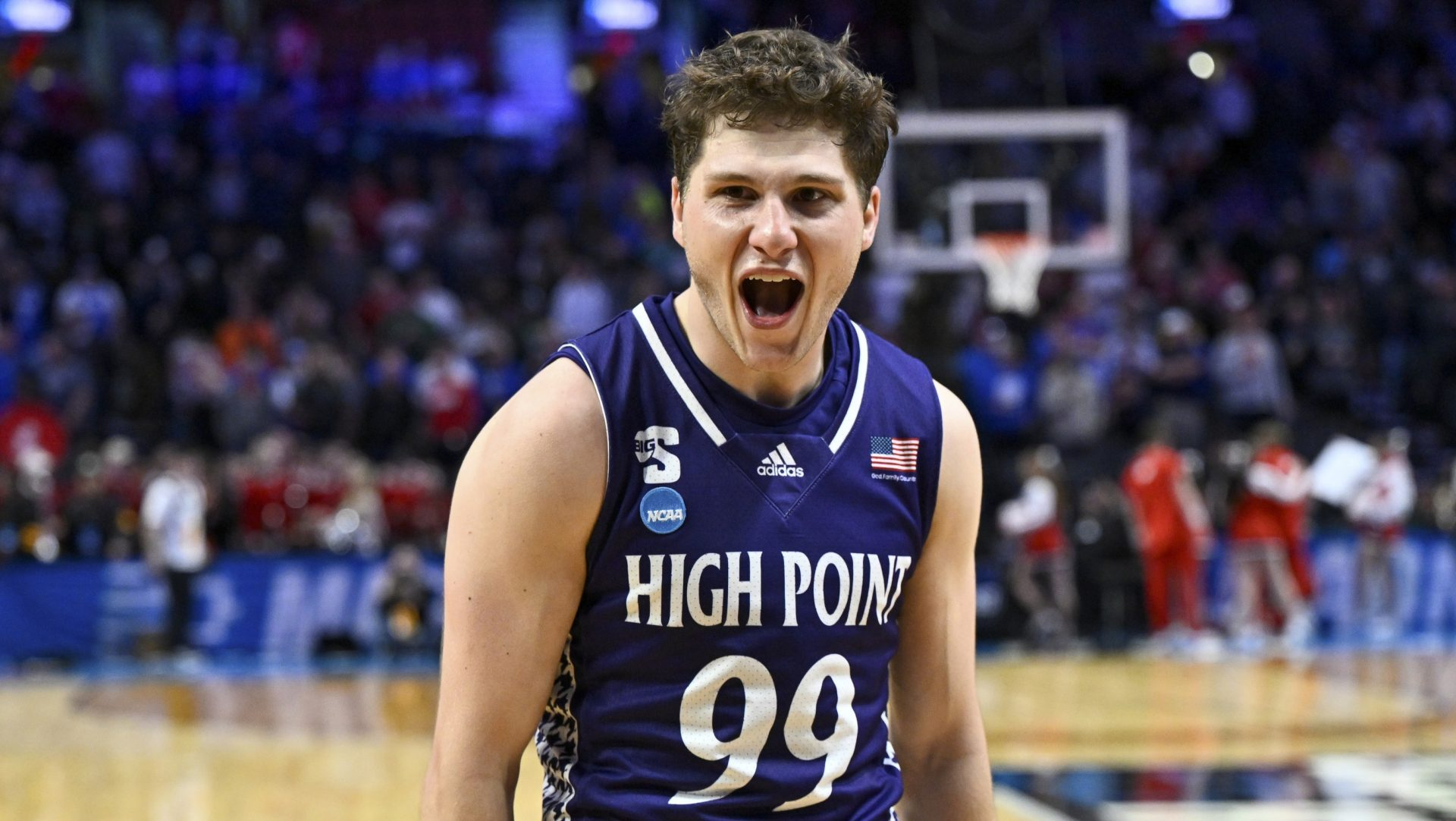
Many analysts predicted that name, image, and likeness (NIL) deals combined with the unrestricted transfer portal would create a talent consolidation at powerhouse programs, effectively ending the era of major upsets. However, the early results of the 2026 tournament tell a different story. Front Office Sports reports that "upsets are alive and well despite the new 'free agency' era," with victories from High Point, VCU, and Texas demonstrating that mid-major programs can still compete at the highest level.
"The narrative that NIL would kill Cinderella stories was always overstated," said college basketball analyst Jay Bilas. "What we're seeing is that well-coached teams with experienced players—regardless of their NIL resources—can win in a single-elimination format. The transfer portal has actually helped some mid-majors by allowing them to add experienced players from power conferences." High Point's roster features several transfers from Power Five programs, including key contributors who played major roles in the Wisconsin upset.
Expert Predictions and Bracketology Insights for 2026
ESPN bracketologist Joe Lunardi published his comprehensive guide to the 2026 tournament, providing detailed analysis of every team's chances. Lunardi's projections have Duke as the favorite to cut down the nets in Indianapolis, though the Blue Devils narrowly avoided their own first-round upset, surviving a scare from a physical Siena team. Other experts from CBS Sports have picked all 63 tournament games, with consensus leaning toward a Duke vs. Kansas championship matchup.
"The margin between the No. 1 seeds and the rest of the field has never been thinner," Lunardi noted in his guide. "We've seen multiple top seeds struggle in the opening round, and that trend will likely continue throughout the tournament." His analysis highlights the increased parity in college basketball, with advanced metrics showing that the gap between the top 25 teams and those ranked 26-50 has shrunk significantly over the past five years.
Where Things Stand Now: Latest Tournament Developments
As the first round continues, several other notable results have emerged. Saint Louis delivered a dominant performance against Georgia, winning 102-77 behind a balanced offensive attack that saw six players score in double figures. Houston, a No. 3 seed, routed Idaho 78-47 behind 18 points from Kingston Flemings, demonstrating why the Cougars are considered a serious Final Four contender. Meanwhile, North Carolina suffered what analysts are calling an "epic collapse" against a resilient VCU team, adding another blue blood to the early exit list.
The tournament's television ratings are projected to break records, with early Thursday games drawing an average of 8.2 million viewers across CBS, TBS, TNT, and truTV. The NCAA's new media rights deal with ESPN and Warner Bros. Discovery appears to be paying dividends, with enhanced streaming options and interactive features driving increased engagement among younger demographics.
What Happens Next: The Road Ahead for March Madness 2026
As the tournament progresses to the second round this weekend, several compelling matchups await. Potential Cinderella stories like High Point will face stiffer competition, while traditional powers like Duke and Kansas look to avoid further upsets. The basketball world will be watching to see if the early trend of parity continues through the Sweet 16 or if the top seeds will reassert their dominance as the field narrows.
Off the court, the success of mid-major programs in this year's tournament is likely to accelerate discussions about revenue distribution and NCAA governance. With NIL collectives becoming increasingly sophisticated at smaller schools, the financial playing field may continue to level in coming years. The 2026 tournament could be remembered as a turning point where the "haves" and "have-nots" of college basketball became less clearly defined.
The Bottom Line: Key Takeaways from March Madness 2026
- High Point's upset of Wisconsin proves Cinderella stories remain alive despite NIL and transfer portal changes
- The 2026 tournament schedule maintains traditional March dates with full capacity crowds across all venues
- Expert predictions favor Duke but acknowledge unprecedented parity throughout the field
- Early television ratings indicate strong viewer interest in the tournament's new media presentation
- Mid-major success could influence future NCAA policy decisions regarding revenue and resources
March Madness 2026 has already delivered its first unforgettable moments, and with two weeks of basketball remaining, the drama is just beginning. From High Point's historic victory to the ongoing evolution of college athletics, this year's tournament captures both the timeless appeal of postseason basketball and the sport's rapidly changing landscape.