
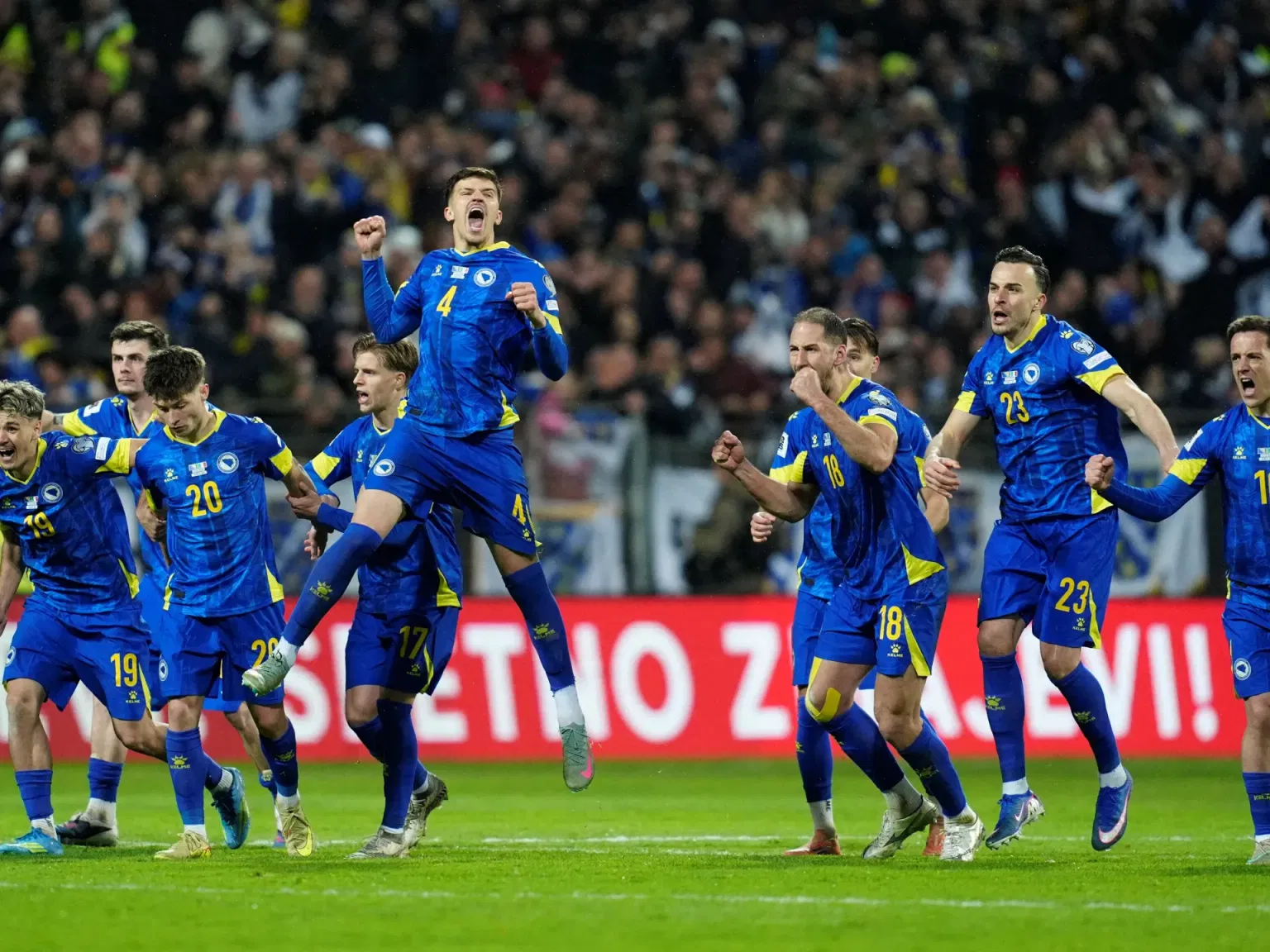
Italian football plunged into unprecedented crisis on Tuesday night as the four-time World Cup champions failed to qualify for a third consecutive tournament, losing 4-1 on penalties to Bosnia and Herzegovina after a 1-1 draw in Zenica. The Azzurri's World Cup exile now extends to 12 years, marking the darkest period in the nation's storied football history since their first triumph in 1934.
How Italy's World Cup Dreams Crumbled in Zenica
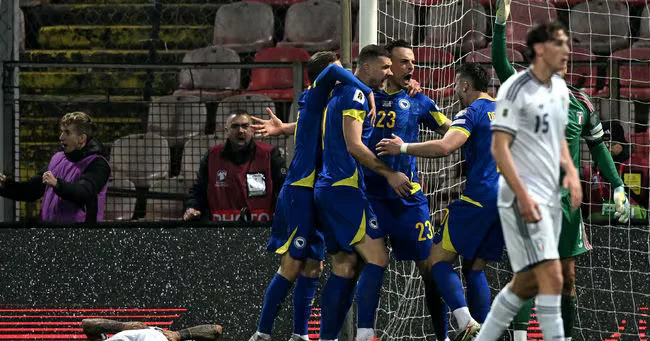
The match began with Italy showing why they were considered overwhelming favorites, taking the lead through Moise Kean's well-taken finish in the 28th minute. But the game turned irrevocably in the 41st minute when defender Alessandro Bastoni received a straight red card for a reckless challenge, reducing Italy to ten men for the remainder of the match. Despite valiant defensive efforts, Bosnia's pressure finally told when Haris Tabaković headed home the equalizer in the 78th minute, sending the match to extra time and eventually penalties.
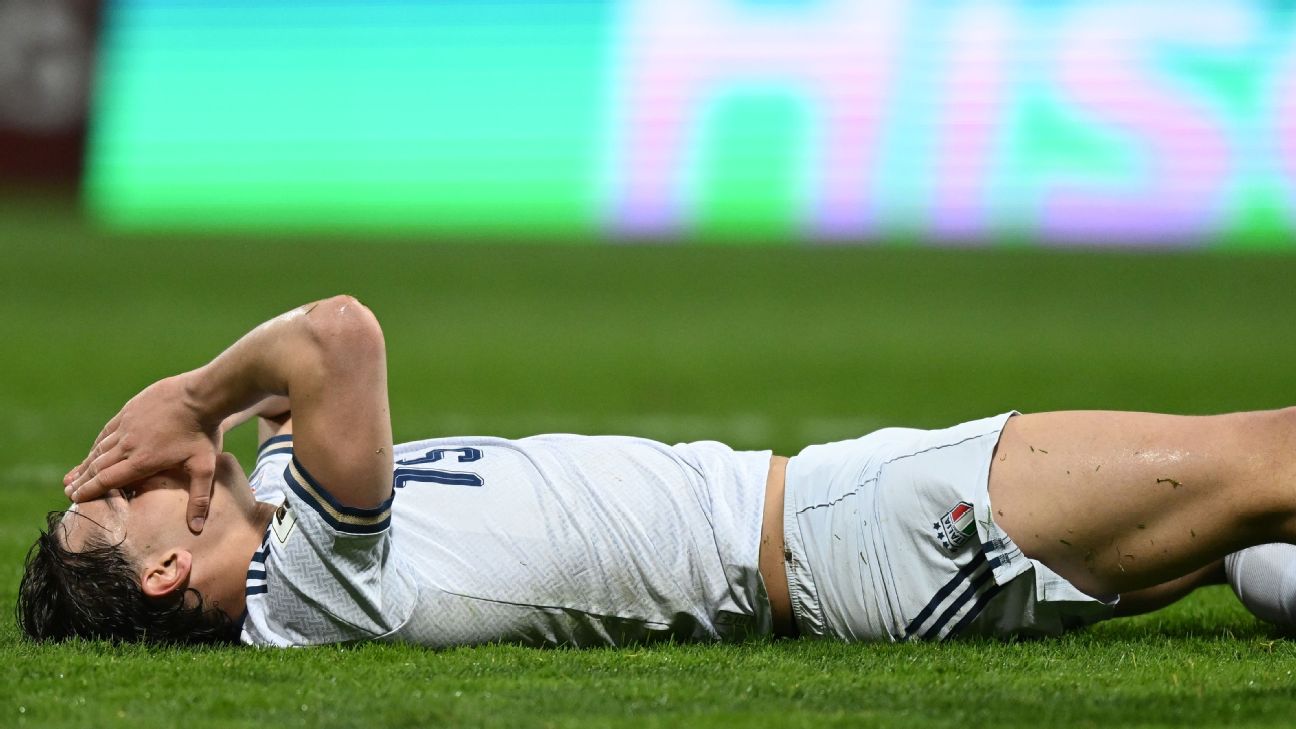
In the shootout, Italy's nightmare continued as they missed three of their four penalties while Bosnia converted all four attempts, with Esmir Bajraktarević scoring the decisive spot-kick that sent the home nation to their second World Cup and condemned Italy to their most humiliating qualification failure yet. The result means Italy joins an exclusive but unwanted club of former champions who have missed three consecutive World Cups, a statistic unthinkable for a nation that lifted the trophy as recently as 2006.
Timeline: The 41 Minutes That Changed Everything
The match followed a familiar pattern of Italian football's recent decline—initial promise followed by self-inflicted collapse. At 28 minutes, Moise Kean gave Italy the lead with a composed finish after being set up by Nicolò Zaniolo. For the next 13 minutes, Italy controlled proceedings until Bastoni's moment of madness. The Inter defender, already on a yellow card, lunged into a challenge on Bosnia's Amir Hadžiahmetović and was immediately shown a second yellow, leaving Italy to play nearly 80 minutes with ten men.
Bosnia grew into the match and their pressure paid off when Tabaković rose highest to head home from a corner with just 12 minutes remaining. Despite heroic defending through extra time, Italy's penalty takers faltered when it mattered most. Nicolò Barella skied his effort, Gianluca Scamacca saw his saved, and Federico Dimarco hit the post before Bajraktarević sealed Bosnia's historic victory.
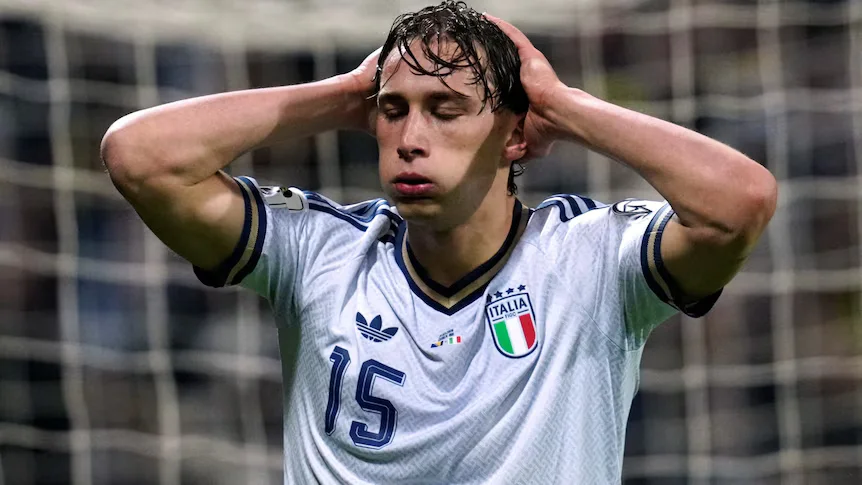
Why Italy's Failure Is More Than Just Bad Luck
Analysis from multiple football experts points to systemic issues rather than mere misfortune. Italy's failure represents a perfect storm of generational transition problems, frequent coaching changes, and structural deficiencies in youth development. Since winning the European Championship in 2021, Italy has cycled through three managers—Roberto Mancini, Luciano Spalletti, and now Gennaro Gattuso—with each change bringing new tactical approaches but no sustained improvement.
The numbers tell a sobering story: Italy has now failed to qualify for the 2018, 2022, and 2026 World Cups. Before this drought, they had only missed one World Cup (1958) in their history. Their decline coincides with Serie A's reduced production of world-class Italian talent, with clubs increasingly relying on foreign imports. Unlike traditional powers Germany, Brazil, or France, Italy hasn't developed a new generation of stars to replace the legendary 2006 winners, leaving them dependent on aging veterans and unproven youngsters.
Where Things Stand: Reactions and Fallout
In the immediate aftermath, coach Gennaro Gattuso offered a heartfelt apology to Italian fans but defended his players' effort. "I am still proud of my lads," Gattuso said. "If you poke me with a dagger today, nothing will come out, my blood is all gone. It was important for the Italian people that we qualify, but we didn't manage it." His emotional comments highlighted the personal toll of the failure but did little to calm the storm of criticism sweeping Italian football.
The Italian Football Federation (FIGC) now faces intense pressure to implement radical reforms. Federation president Gabriele Gravina has called an emergency meeting to discuss the future, with Gattuso's position expected to be reviewed despite having only taken over in late 2025. Meanwhile, Bosnian celebrations erupted across Zenica and Sarajevo, with fans flooding the streets to celebrate what many called the greatest achievement in the nation's football history.
What Happens Next: The Road Ahead for Italian Football
Italy now faces a painful period of introspection and rebuilding. With no World Cup to prepare for until 2030, the focus shifts to the 2028 European Championship qualification campaign, which begins in September 2026. The FIGC must decide whether to stick with Gattuso through what would be a lengthy period without competitive matches or appoint a new coach to oversee the regeneration.
More importantly, systemic changes are needed. Italian youth academies must produce technically superior players, Serie A clubs need to give more opportunities to Italian talent, and the national team structure requires modernization. The success of Bosnia—a nation with one-tenth of Italy's population and resources—highlights how effectively scouting, player development, and tactical organization can overcome traditional disadvantages.
The Bottom Line: Key Points to Remember
Italy's penalty shootout loss to Bosnia and Herzegovina represents more than just another qualification failure—it's the culmination of a decade-long decline that has seen the four-time champions become a cautionary tale in international football. The red card to Bastoni proved decisive, but deeper structural issues explain why Italy couldn't overcome that setback. With their third consecutive World Cup miss now confirmed, Italian football stands at a crossroads, facing its greatest challenge since the national team's formation in 1910. Whether this defeat becomes a catalyst for renewal or merely another chapter in the decline may determine Italy's footballing identity for a generation.